CDAO Prioritizes Indo-PACOM Amid Successful Major Exercise, Leaving Edge Data Mesh Nodes Behind

Advancements in Tactical Data Management: Insights from the Pentagon’s Latest Demonstrations
Successful Demonstration of Edge Data Mesh
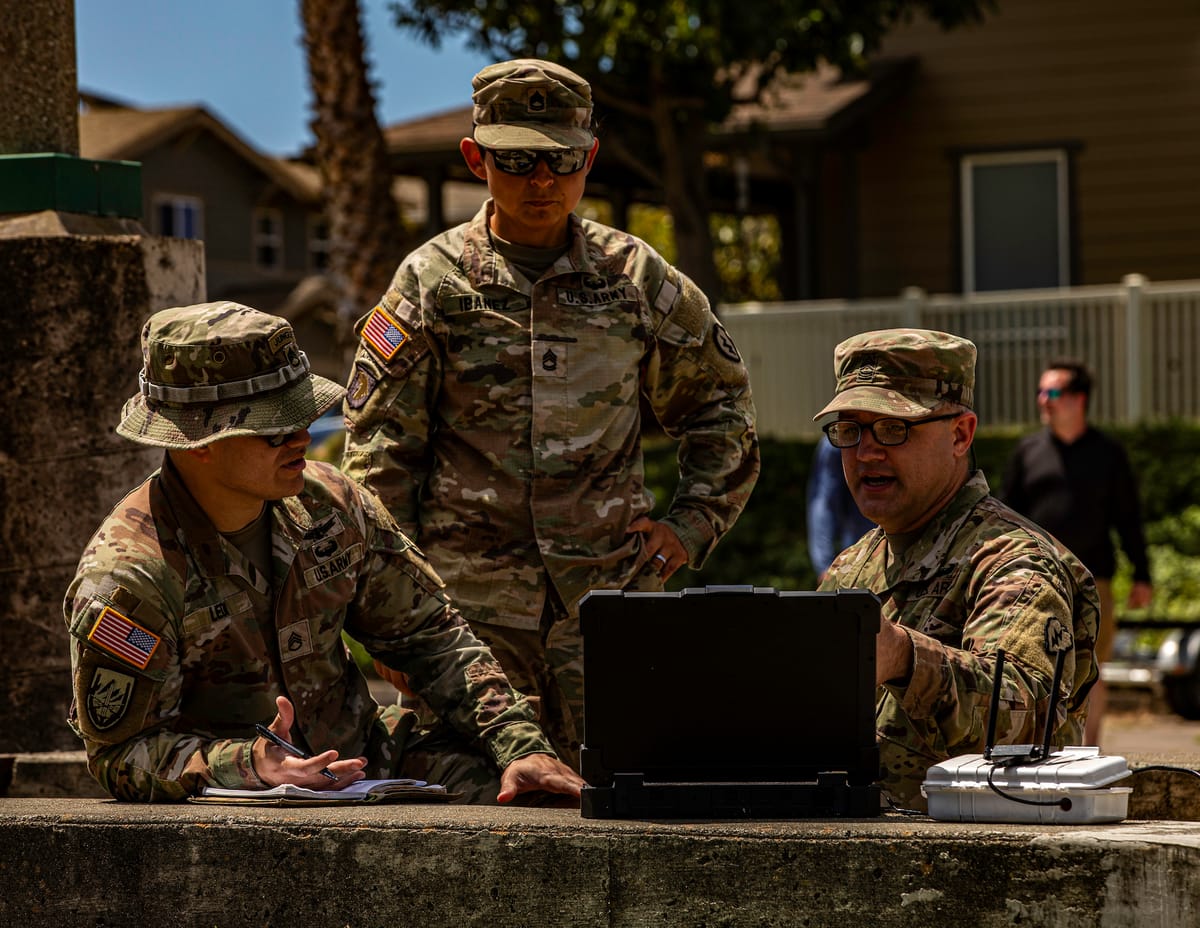
In a significant advancement for military data management, the Chief Digital and AI Office (CDAO) of the Pentagon recently showcased its Edge Data Mesh (EDM) technology during the Army’s major capstone exercise in April. This event marked the initial successful implementation of the EDM system, aimed at enhancing operational data flow from the tactical edge to key decision-makers across various levels of command.
Real-World Application in the Indo-Pacific
Following the large-scale demonstrations, Pentagon officials opted to retain several EDM nodes in the Pacific region for immediate operational use. This strategic move underscores the commitment to integrating cutting-edge technology into real-world scenarios, illustrated by the initial findings detailed in an internal unclassified document reviewed by DefenseScoop.
CDAO officials assert that this effort significantly advances the dual-directional, real-time transmission of data, crucial for cohesive operational decision-making. The deployment of EDM is part of a larger vision to ensure that critical technologies reach warfighters for ongoing testing and refinement, enhancing the military’s responsiveness and effectiveness.
GIDE Series: A Tactical Testing Ground
Central to this technological initiative is the Global Information Dominance Experiment (GIDE) series, which recently concluded its thirteenth iteration. The GIDE program, launched in partnership with various military branches, is designed to facilitate iterative experimentation and further the Defense Department’s strategic objectives. The initiative originated under U.S. Northern Command in 2020 but received a renewed focus under the Biden administration in 2022. Moving forward, exercises will occur roughly every three months.
Key objectives of GIDE include:
- Rapid Technology Integration: Accelerating the use of new systems and capabilities in live environments.
- Enhanced Command and Control (C2): Supporting the U.S. military’s broader aim of refining Combined Joint All-Domain Command and Control methodologies.
Innovations in Data Management Architecture
The EDM technology stack is designed to facilitate tactical-level data distribution in challenging communications environments characterized as "disadvantaged, disconnected, intermittent, and limited" (DDIL). This innovative architecture allows for the robust processing, capturing, and storage of data at or near end-user locations, streamlining decentralized data transmission and bolstering future edge computing capabilities.
Interoperability and Customization
A significant feature of the EDM is its commitment to interoperability, guided by Open DAGIR principles. This governance framework allows for quick integration of both established and emerging systems, ensuring that the software development kit remains adaptable to evolving operational needs.
The EDM’s capabilities include:
- Multi-Network Integration: Facilitating seamless data exchange across various networks, even under compromised conditions.
- Operational Versatility: Serving as a foundational component for future operations, multiple third-party applications, including generative AI tools, are being integrated into the existing DOD data infrastructure.
Continued Collaboration in Military Exercises
Project Convergence, an Army-led initiative aimed at fostering collaborative experimentation among U.S. military services and allied nations, played a pivotal role in testing the EDM’s capabilities. Recent exercises have focused on integrating advanced technologies while ensuring that functional improvements remain accessible to combat commands post-exercise.
Particularly notable was "Scenario B" of the recent capstone event, which allowed participants to assess EDM interoperability with various mission command platforms under realistic field conditions. This approach capitalizes on the critical need for resilient data transport solutions within the Indo-Pacific operational theater.
Conclusion: Future Directions and Ongoing Experiments
The insights gathered from GIDE 13 illuminate the path toward a more integrated and responsive military command framework. The potential for revolutionizing how data is processed—especially regarding maneuver, intelligence, and logistics—stands to notably shorten decision-making timelines, thereby enhancing tactical advantages in combat.
As Defense officials confirm the next round of GIDE exercises will coincide with upcoming initiatives such as Pacific Sentry and Joint Exercise SoCal, the momentum generated by these efforts promises to yield further advancements in military operational capabilities and technology fusion. By continuously refining technologies through live experiments, the U.S. military stands poised to stay ahead in an increasingly complex and contested operational landscape.
Key Takeaways
- The Edge Data Mesh has been successfully demonstrated and retained for operational use.
- GIDE serves as an essential framework for testing and integrating new military technologies.
- The focus on interoperability and real-time data processing is vital for modern C2 capabilities.
- Continued iterations of GIDE will enhance collaboration across multiple military services and allies.
This unfolding narrative in military technology not only showcases the Department of Defense’s commitment to innovation but also illustrates the strategic vision necessary to meet future challenges in defense operations.