CENTCOM Strike Reveals Iran's S-200 Rail Infrastructure Vulnerabilities

Overview of the Strike
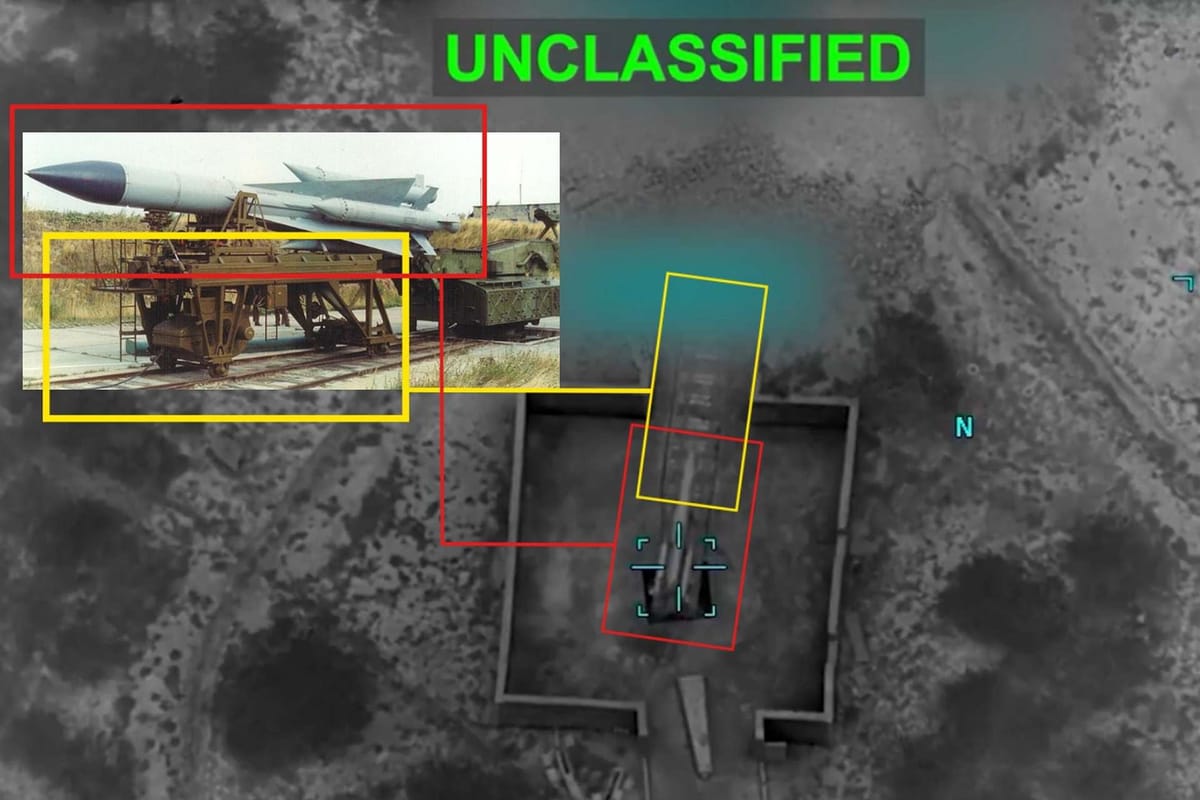
Recent footage from U.S. Central Command (CENTCOM) has showcased a precision strike on an Iranian S-200 missile launcher, highlighting the system's unique rail-based missile handling infrastructure. This operation provides critical insights into Iran's deployment and operational methods regarding its air defense capabilities.
Context and Analysis
The S-200 air defense system, known for its long-range capabilities, has been a cornerstone of Iran's aerial defense strategy. The CENTCOM video reveals how the system is integrated with rail infrastructure, which is significant as it indicates a logistical approach that may affect the system's mobility and vulnerability. The use of rail systems suggests a level of permanence and likely prioritizes the defense of specific installations or areas, potentially making these assets targets for future operations.
Understanding the characteristics of Iran's S-200 deployment can assist defense analysts in predicting potential Iranian responses to threats and assessing the effectiveness of U.S. and allied military strategies in the region. The rail infrastructure not only facilitates the transportation of these missile systems but may also imply a reliance on fixed positions that could be exploited in future engagements.
Why it Matters
This revelation raises questions about the resilience of Iran's air defense against targeted strikes and the potential for U.S. forces to exploit these vulnerabilities. As tensions in the region persist, the capability to disrupt or neutralize Iranian air defenses will be crucial for any operational planning involving air strikes or aerial operations. Analysts will be watching how Iran adapts its defensive posture in response to such vulnerabilities revealed by recent intelligence operations.
Sources: Armyrecognition, Institute for the Study of War, Long War Journal, Caspian Post, and Critical Threats