China Issues Warning to U.S. Over Taiwan Tensions

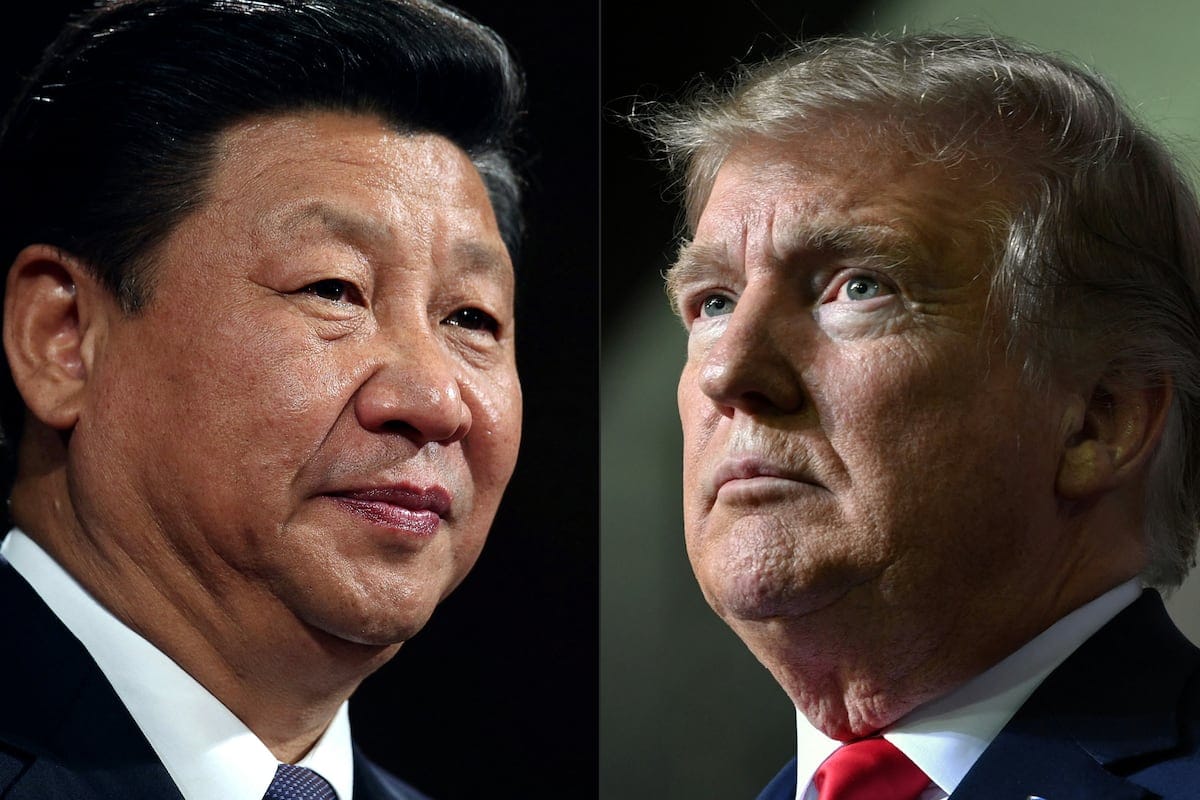
Xi Jinping Cautions President Trump on Taiwan
Chinese leader Xi Jinping has issued a verbal warning to President Donald Trump regarding the potential for direct confrontation between the United States and China over Taiwan. This statement underscores the escalating tensions surrounding the island, which China considers a breakaway province and has expressed a desire to reunify with the mainland, by force if necessary. The warning highlights the sensitivity of the Taiwan issue and the high stakes involved for both nations.
Context and Analysis of the Growing Tensions
The backdrop of this warning reflects a broader strategic rivalry between the U.S. and China, with Taiwan serving as a flashpoint. As the U.S. continues to foster closer ties with Taiwan, including arms sales and diplomatic engagements, China perceives these actions as provocative and a challenge to its sovereignty. Xi's remarks come amidst a complex landscape of military maneuvers in the Taiwan Strait, where both sides have been increasing their military readiness. The potential for miscalculation in this high-stakes environment cannot be understated, as each nation navigates its interests in the region.
Moreover, this warning serves as a reminder of the delicate balance of power in the Indo-Pacific, where U.S. alliances with regional partners are increasingly crucial. The implications of a misstep could extend beyond Taiwan, affecting global trade routes and regional stability. As both nations maintain their positions, the possibility of diplomatic or military escalation remains a significant concern for defense professionals.
This situation raises questions about the future of U.S.-China relations and the strategies both nations will adopt to manage their interests in the region. Analysts will be watching closely for any shifts in policy or military posture that could signal a change in the dynamics surrounding Taiwan. Ultimately, understanding the nuances of these interactions is critical for anticipating future developments in U.S. foreign policy and defense strategy.
Sources: Defensenews, CNBC, The Guardian, The Hill, and CNN