China's Growing Influence in Europe: A Strategic Challenge

Introduction to China's Influence
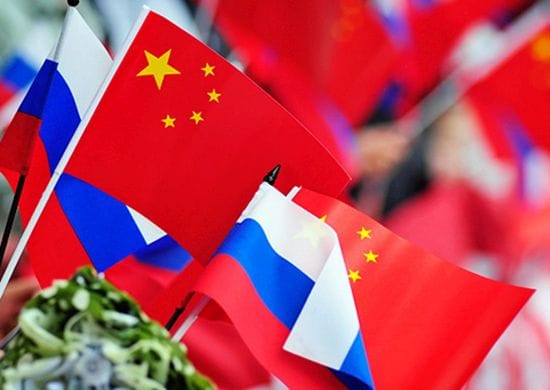
As Russia continues to shape security discussions in Central and Eastern Europe, a significant shift is occurring with China’s increasing economic and political presence across the continent. This trend is becoming a long-term strategic concern for European governments, necessitating careful observation and response.
Context and Analysis
China's quiet pressure is manifesting in various forms, from investments in critical infrastructure to partnerships that enhance its political clout. The economic ties fostered by Beijing are not merely transactional; they are strategically designed to increase China's leverage over European nations. Such maneuvers could potentially lead to a realignment of alliances and dependencies that might undermine European unity, particularly in the face of ongoing challenges posed by Russia.
European governments are beginning to recognize the implications of China's actions. As they navigate the complex landscape of international relations, their responses will likely vary based on national interests and geopolitical considerations. The extent to which China can exploit divisions within Europe remains to be seen, but current trends suggest a growing unease among European leaders about the long-term consequences of this influence.
Why it Matters
This evolving situation raises the question of how European nations will balance their economic interests with the need to safeguard their sovereignty and security. As China continues to expand its reach, analysts will be watching for shifts in European policy and strategy that could redefine transatlantic relations. The implications of these developments are significant, not only for Europe but also for the broader international order as nations grapple with the challenge of managing a rising China.
Sources: Defence24, China Briefing, Atlantic Council, The Heritage Foundation, and Mercator Institute for China Studies (MERICS)