China's Military Aims to Target US Undersea Sensor Network: Analysis

Strategic Implications of China’s Naval Undersea Operations
Overview of Chinese Submarine Strategy
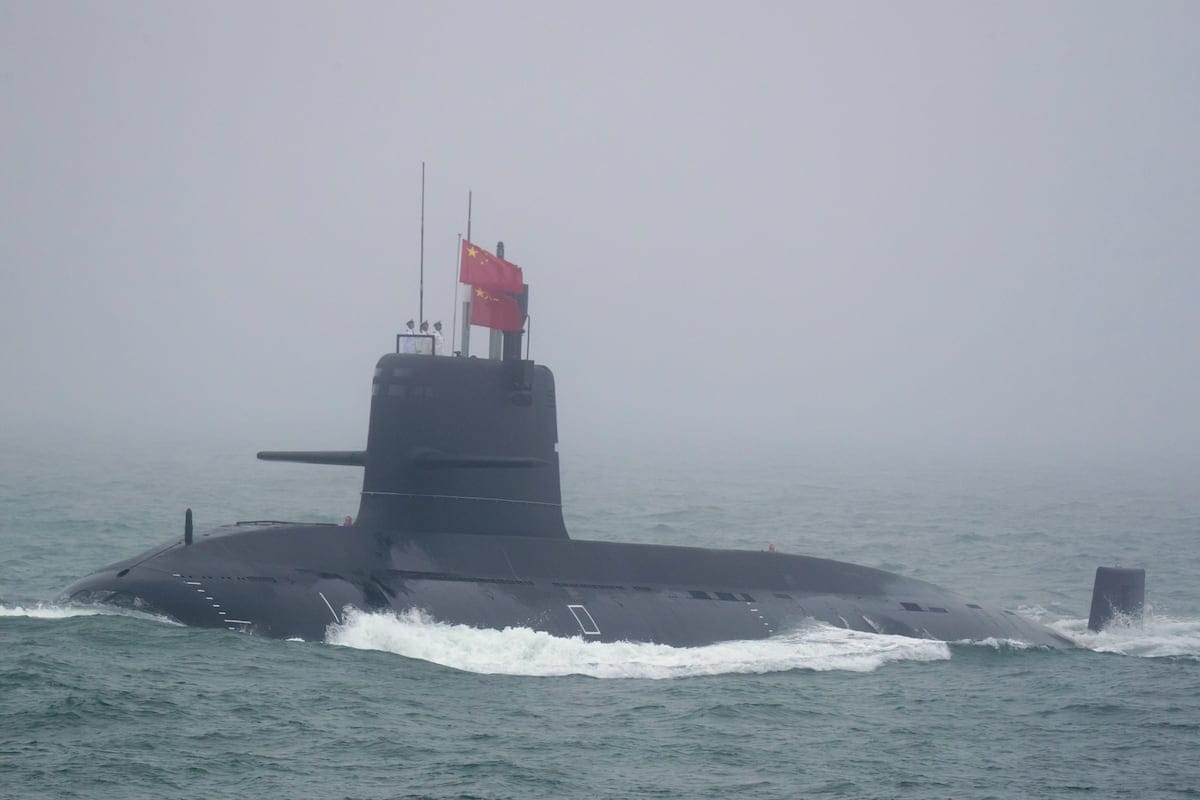
Submarines play a pivotal role in China’s maritime military doctrine, and recent assessments indicate that the United States’ undersea sensor capabilities pose a substantial challenge to these vessels. Notably, experts linked to the People’s Liberation Army Navy (PLAN) have begun advocating for targeted measures aimed at incapacitating the American undersea surveillance networks during conflict scenarios.
Countermeasures Against U.S. Undersea Sensors
The PLAN’s strategies may include various tactics to neutralize U.S. underwater microphones, such as:
- Destruction of Sensor Nodes: Amplified by undersea drones and a vast array of commercial fishing vessels, efforts might be focused on sabotaging sensor installations.
- Spoofing Techniques: Utilizing advanced technological methods to create misleading signals that could mislead detection systems.
Ryan Martinson, a professor at the China Maritime Studies Institute, articulates that the U.S. undersea surveillance framework exhibits numerous vulnerabilities, exacerbated by the vast operational domain of the Western Pacific. A sufficiently compromised sensor array could severely degrade the entire system’s effectiveness.
The Adverse Balancing Perception
Curiously, both American and Chinese observations regarding the balance of undersea military capability are polar opposites. The U.S. and its Pacific allies express concerns over the expansion of China’s submarine fleet, which the Department of Defense anticipates will grow to 65 units this year and potentially reach 80 by 2035. In contrast, China regards the United States’s increasing undersea surveillance as a concerted effort to achieve “unilateral transparency” across its operational environments.
Current Chinese Naval Submarine Capabilities
- Six nuclear ballistic submarines (SSBNs)
- Six nuclear attack submarines (SSNs)
- A substantial fleet of conventional submarines capable of deploying anti-ship missiles, including 21 advanced Yuan-class diesel-electric platforms
Vulnerabilities in Chinese Submarine Operations
Chinese military analysts have expressed apprehension that the growing American anti-submarine warfare (ASW) focus threatens the survivability of Chinese submarines. While the PLAN acknowledges the undeniable deterrent and offensive potential of its submarines, it grapples with the significant challenge of remaining undetected—a critical operational requirement that remains unguaranteed.
Insights from Military Art
The PLAN has published analyses revealing deep concerns regarding the perceived superiority of U.S. undersea surveillance capabilities. Examples of integrated systems that contribute to U.S. ASW effectiveness include:
- Integrated Undersea Surveillance System (IUSS)
- Surveillance Towed Array Sensor System (SURTASS)
- Advanced deployment of warships, submarines, and aircraft designed for coordinated operations
Chinese experts fear that their submarines may be systematically outmatched by what they perceive to be an encompassing ASW framework that integrates various sensor modalities.
U.S. Countermeasures and Strategic Counteraction
In response to U.S. military initiatives, the PLAN recognizes that enhancing its own ASW capabilities is critical. This understanding has led to a call for an intensified focus on counteracting U.S. sensor networks:
- Investment in Disruptive Technologies: Emphasis on developing capabilities to identify submerged sensors through diverse detection methods such as acoustic, magnetic, and electronic capabilities, leveraging artificial intelligence for enhanced effectiveness.
- Utilization of Unmanned Underwater Vehicles: Focus on deploying drones designed to directly target and neutralize U.S. sensor arrays.
Operational Constraints
Despite the PLAN’s aspirations, there are operational constraints concerning the disruption of American ASW systems. The complexities of targeting minuscule underwater elements and the strategic necessity of maintaining operational flexibility outside the first island chain could deter such initiatives.
Potential Divergence of Tactics
While the PLA may consider kinetic strikes on deployed SURTASS units or fixed arrays, this may detract from their broader operational goals. Disruption efforts could divert crucial forces from vital missions.
Bryan Clark, a scholar at the Hudson Institute and former U.S. Navy officer, emphasizes that overwhelming U.S. ASW capabilities through sheer numerical deployment of submarines could be a viable alternative strategy. He notes that deploying a considerable number of submarines during heightened tensions might stretch U.S. ASW forces thin and reduce the effectiveness of American countermeasures.
Outlooks on Future Naval Engagement
The discussions among Chinese military scholars indicate a willingness to explore advanced strategies to counter U.S. maritime capabilities. The extent to which Chinese leadership will implement these insights remains uncertain. Still, the emergence of these debates in expert circles suggests a recognition within the PLAN of the need for a more aggressive posture regarding undersea warfare capabilities.
Consequently, U.S. Navy strategists are urged to carefully consider these emerging tactics and trends, enhancing their preparedness and responsiveness in a continuously evolving maritime theater.