China’s R6000 Tiltrotor Drone Advances to Full Flight Testing

Significant Progress in Uncrewed Aviation
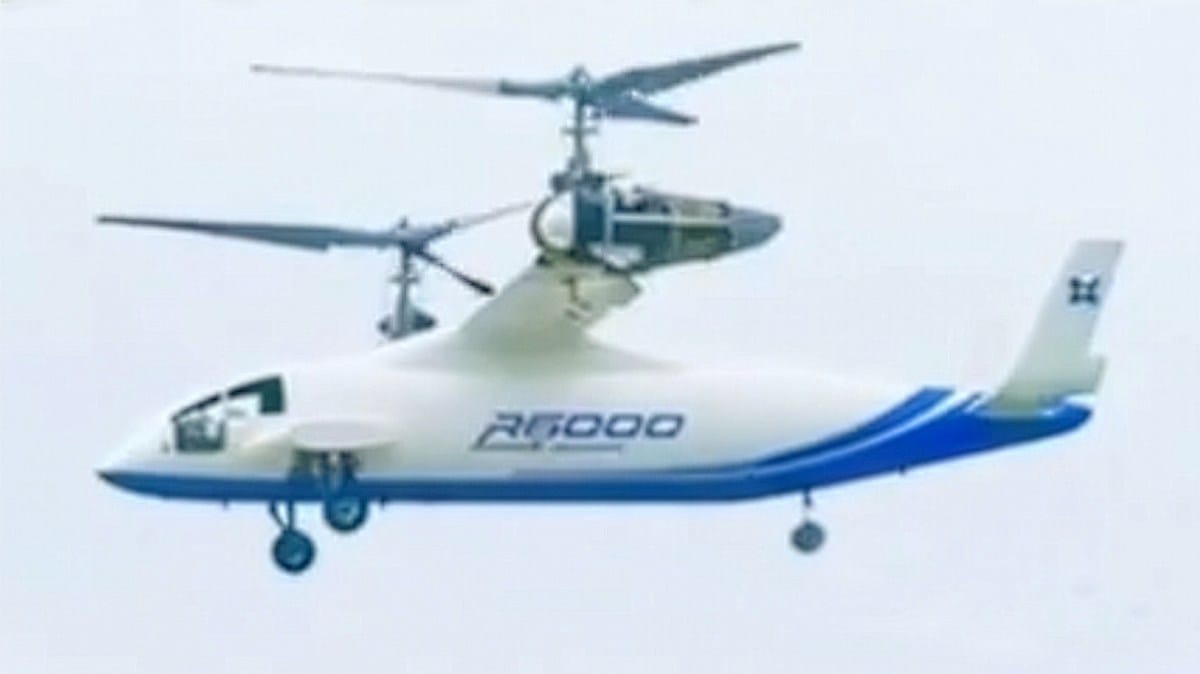
Recent footage reveals that China's R6000 uncrewed tiltrotor drone has progressed beyond tethered hover trials and has entered a more rigorous phase of flight testing. This development marks a critical milestone in the R6000 program, showcasing China's commitment to advancing its unmanned aerial capabilities.
The R6000 tiltrotor drone represents a significant leap in technology, combining the vertical takeoff capabilities of a helicopter with the speed and range of a fixed-wing aircraft. As nations around the world continue to explore the potential of uncrewed systems, China's advancements in this area could have substantial implications for regional security dynamics. This testing phase will likely assess the drone's performance in various operational scenarios, potentially paving the way for its deployment in military and surveillance roles.
Strategic Implications
The implications of the R6000's development extend beyond technical achievements. As the drone moves into full flight testing, analysts will be watching closely for how this technology could influence military strategies in the Asia-Pacific region. The successful deployment of tiltrotor drones could enhance China's aerial capabilities, allowing for improved intelligence, surveillance, and reconnaissance operations.
Furthermore, the R6000's capabilities may challenge the operational paradigms of neighboring countries, prompting a reassessment of defense strategies in response to evolving aerial threats. As nations adapt to these advancements, the geopolitical landscape may shift, highlighting the importance of staying abreast of developments in unmanned aviation technology. The R6000's progression into full flight testing signifies a crucial step in China's efforts to assert its technological leadership in the defense sector.
Sources: Twz, The War Zone, VOA - Voice of America English News, Asian Military Review, and Aerospace Global News