Clarification on THAAD System Deployment from South Korea

US Defense Strategy Update
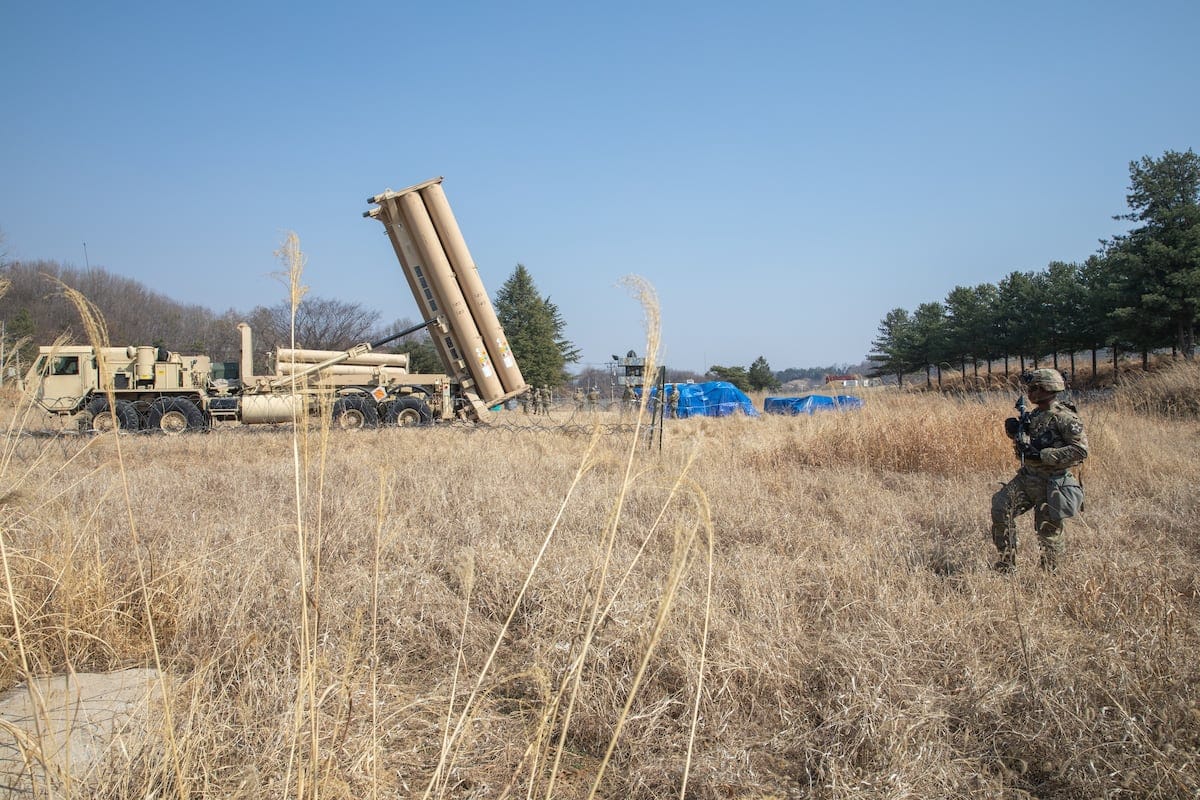
Recent reports have clarified that the US did not relocate components of the Terminal High Altitude Area Defense (THAAD) system from South Korea to the Middle East, as had been suggested by earlier media coverage. This information emerges in the context of ongoing military assessments and strategic decisions made by the Pentagon under the leadership of Secretary of Defense Pete Hegseth.
The initial report from The Washington Post in March indicated that parts of the THAAD system might be moved as part of a broader strategy to enhance defense capabilities in the Middle East. However, statements from military officials have confirmed that the system remains in South Korea, indicating a commitment to maintaining robust defense mechanisms in the region amid rising tensions with North Korea. The THAAD system is a critical component of the US defense architecture, designed to intercept and destroy short and medium-range ballistic missiles.
Implications for Regional Security
This situation highlights the intricate nature of US military deployments and the importance of maintaining established defense systems in key areas. The decision to keep the THAAD system in South Korea underscores a strategic prioritization of deterrence against North Korean threats. Analysts will be monitoring how this decision impacts US relations with both South Korea and regional adversaries, as well as the potential responses from North Korea.
Why it matters: Ensuring the THAAD system remains operational in South Korea is vital for US defense posture in the Asia-Pacific region. The implications of this decision extend beyond immediate military readiness; they also reflect the US's commitment to its allies and its stance against regional aggressors. Future decisions regarding military assets in Asia will likely be scrutinized as geopolitical dynamics evolve.
Sources: Defensenews, Atlantic Council, The Jerusalem Post, The Korea Herald, and 조선일보