CNO Opposes Deployment of Aircraft Carrier Near Iran

Navy Leadership Responds to Potential Aircraft Carrier Deployment
Context of Potential Military Actions
Recent statements from President Trump indicate a possible escalation of U.S. military involvement as he expresses support for protesters in Iran. Amidst reports of the Iranian government’s violent crackdown, which reportedly has resulted in the deaths of over 2,000 individuals during clashes, Trump has signaled forthcoming assistance for demonstrators. He is slated to receive a briefing on military strategies aimed at addressing the situation in Iran.
Admiral’s Reservations on Aircraft Carrier Deployment
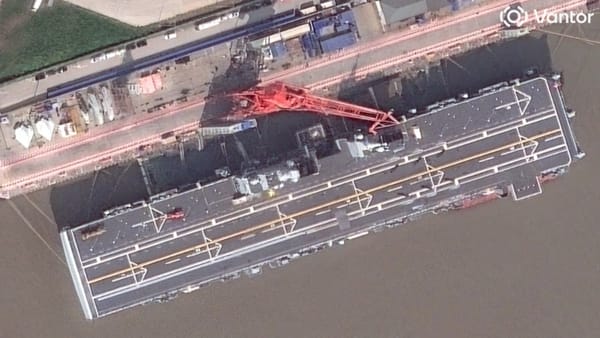
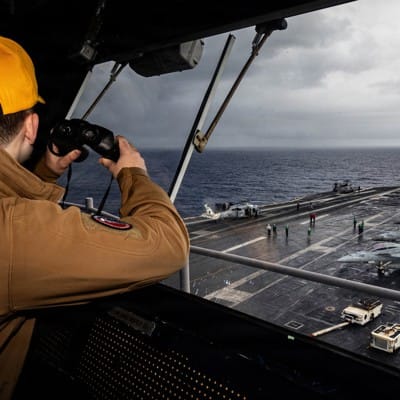
In light of these developments, Admiral Daryl Caudle, the Chief of Naval Operations, conveyed concerns regarding the potential redeployment of the USS Gerald R. Ford, the Navy’s latest and most advanced aircraft carrier, from the Caribbean to U.S. Central Command. Traditionally, the deployment of aircraft carriers serves as a robust show of military force; however, Caudle indicates that such a move may not be advisable.
- Current Status of USS Gerald R. Ford:
- The Ford left its homeport in Virginia for the Mediterranean in June and is approaching the conclusion of its planned seven-month mission.
- Initially assigned to South American waters for counter-narcotics operations, its extension poses logistical and operational challenges.
Concerns About Deployment Extensions
Admiral Caudle articulated the need for strategic restraint, noting that extensions to deployment schedules can adversely affect sailor welfare and ship maintenance protocols.
- Impact on Personnel and Maintenance:
- Certainty in deployment timelines is critical; deviations undermine both the morale of personnel and operational readiness.
- Extended deployments disrupt established maintenance schedules and contractual obligations with shipyards, essential for maintaining fleet readiness.
Financial Implications of Prolonged Deployments
Caudle also highlighted the financial ramifications of extending carrier missions:
- Budgetary Considerations:
- Extending deployments complicates existing maintenance agreements, potentially pushing necessary budget allocations into subsequent fiscal periods.
- Under prolonged operational conditions, the wear and tear on vessels may necessitate more extensive repairs, raising costs and complicating budgetary forecasting.
- Long-Term Operational Readiness:
- The Navy is striving for an ambitious goal to have 80 percent of its fleet ready for deployment by 2027. Compromising maintenance cycles jeopardizes this objective and could lead to long-term operational deficits.
Strategic Recommendations Moving Forward
To adequately address the evolving situation in Iran without jeopardizing Navy operational integrity, several strategies may be considered:
- Alternative Military Options:
- Assess other military assets that could provide support without committing the USS Ford to an extended mission.
- Enhance diplomatic efforts and coalition building to manage the crisis effectively while minimizing military intervention.
- Operational Flexibility:
- Develop rapid response teams and use smaller vessels that can operate in conjunction with land forces without necessitating a carrier’s presence.
- Regular Review of Deployment Policies:
- Establish protocols that allow for timely reviews of deployment timelines, ensuring they align with both operational needs and personnel welfare.
Conclusion: Balancing Force and Readiness
As the U.S. navigates the complexities of its response to the unrest in Iran, it remains imperative for military leaders to balance the demonstration of force with operational readiness and personnel wellbeing. The Admiral’s commitment to “push back” against potential deployment pressures underscores the importance of strategic foresight in military operations.