Colombian Forces Target Guerrilla Leadership in Military Operation

Key Developments in Colombian Military Action
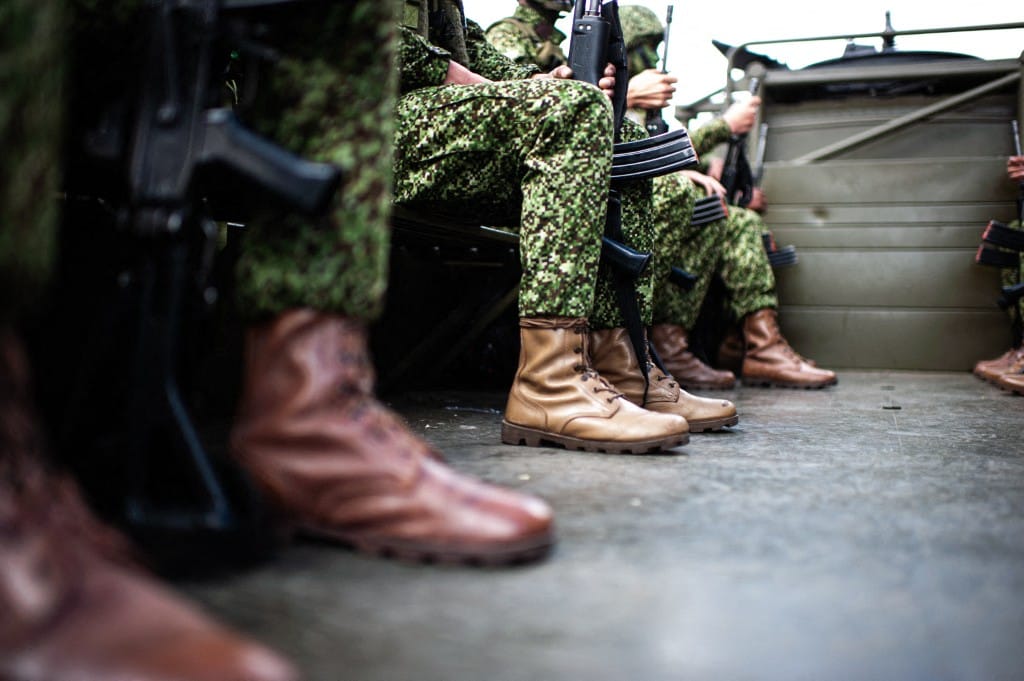
In a significant military operation, Colombian forces have successfully killed the deputy of Ivan Mordisco, the country's most-wanted guerrilla leader. This operation, confirmed by the Colombian defense ministry, marks a crucial step in the ongoing efforts to dismantle the leadership structure of illegal armed groups operating within Colombia.
The elimination of Mordisco's second-in-command highlights the Colombian government's renewed focus on combating guerrilla movements, particularly those linked to the Revolutionary Armed Forces of Colombia (FARC). These groups have been responsible for prolonged violence and instability in the region. The operation underscores the Colombian military's capability and commitment to addressing threats posed by such organizations, which have historically undermined state authority.
Context and Implications
Colombia has faced decades of conflict with various guerrilla factions, and the current administration's aggressive stance reflects a strategic pivot towards more direct military engagement. The death of a key figure in Mordisco's organization may disrupt command and control within the guerrilla ranks, potentially leading to fragmentation or increased violence as power vacuums emerge. Analysts will be closely monitoring the responses from remaining guerrilla factions and the potential for retaliatory attacks against state forces.
The implications of this operation are significant as it may encourage further military actions against other guerrilla leaders, potentially leading to a broader campaign aimed at reducing the influence of illegal armed groups in Colombia. This ongoing conflict not only impacts national security but also regional stability, as neighboring countries watch the developments closely. Understanding the dynamics of these groups and their leadership structures will be critical for future security assessments in Colombia and beyond.
Sources: Thedefensepost, Firstpost, The MSU Exponent, Colombia Reports, and EL PAÍS English