Congress Moves Forward with No FAKES Act to Combat AI-Generated Deepfakes

Legislative Focus on Digital Integrity
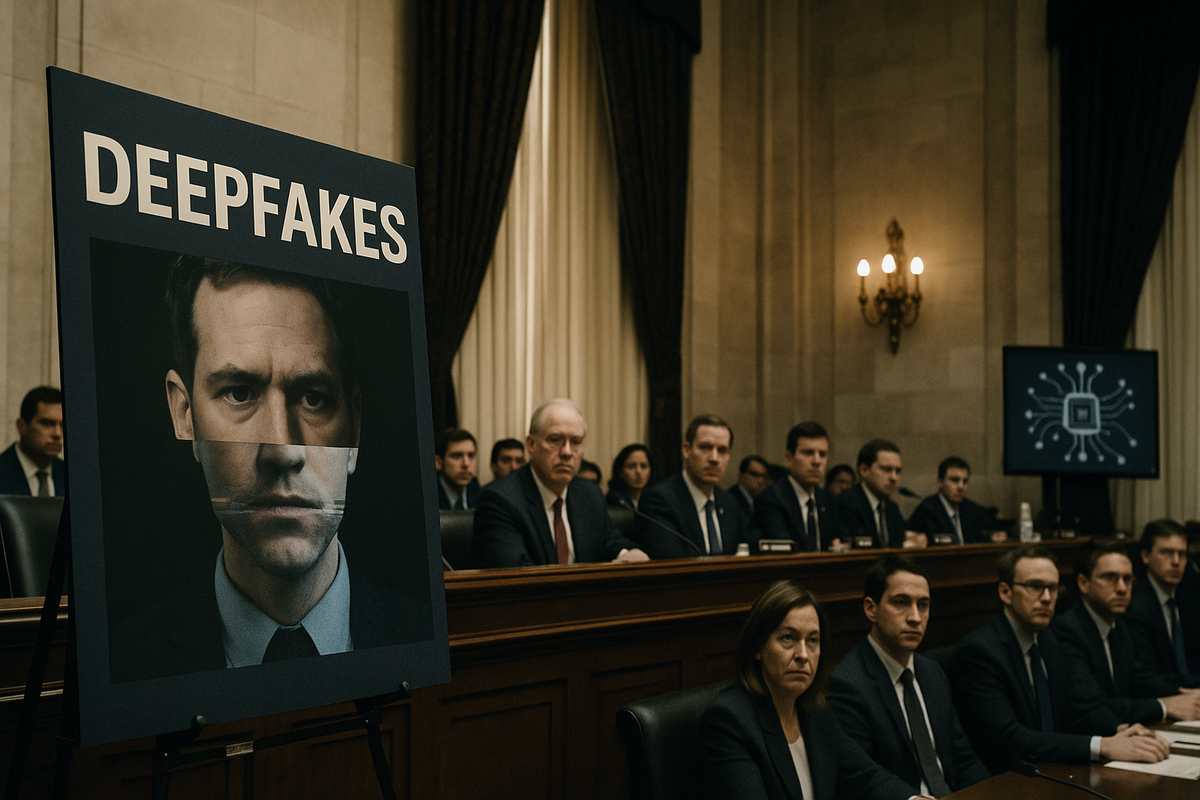
Congress is advancing the No FAKES Act, a legislative proposal aimed at addressing the proliferation of AI-generated deepfakes. This initiative arises from bipartisan concerns regarding unauthorized use of deepfake technology to exploit artists and performers for profit. The proposed act seeks to establish regulations that would protect the digital rights of individuals against the misuse of their likenesses and performances in deepfake content.
However, the legislation has encountered opposition from certain business and digital rights groups. These organizations argue that the regulatory framework could stifle innovation and infringe on legitimate uses of AI technology. The debate highlights the tension between protecting individual rights and fostering an environment conducive to technological advancement.
Implications for the Future
The implications of the No FAKES Act extend beyond the immediate concerns of copyright infringement and artist protection. As AI technology continues to evolve, the ability to create realistic deepfake content poses significant risks, including misinformation and potential national security threats. Analysts will be watching how this legislation shapes the landscape of digital rights and the future of AI-generated content. The outcome of this discussion could lead to a broader examination of the balance between innovation and regulation in the tech industry.
The move to enact the No FAKES Act underscores a growing recognition of the challenges posed by advanced digital technologies. This raises the question of how legislatures will continue to adapt their frameworks to address emerging threats while encouraging technological progress.
Sources: Cyberscoop, Billboard, House.gov, and Tech Times