Congress Secures Future for A-10 Warthog Amidst Technological Evolution

Legislative Support for the A-10 Warthog
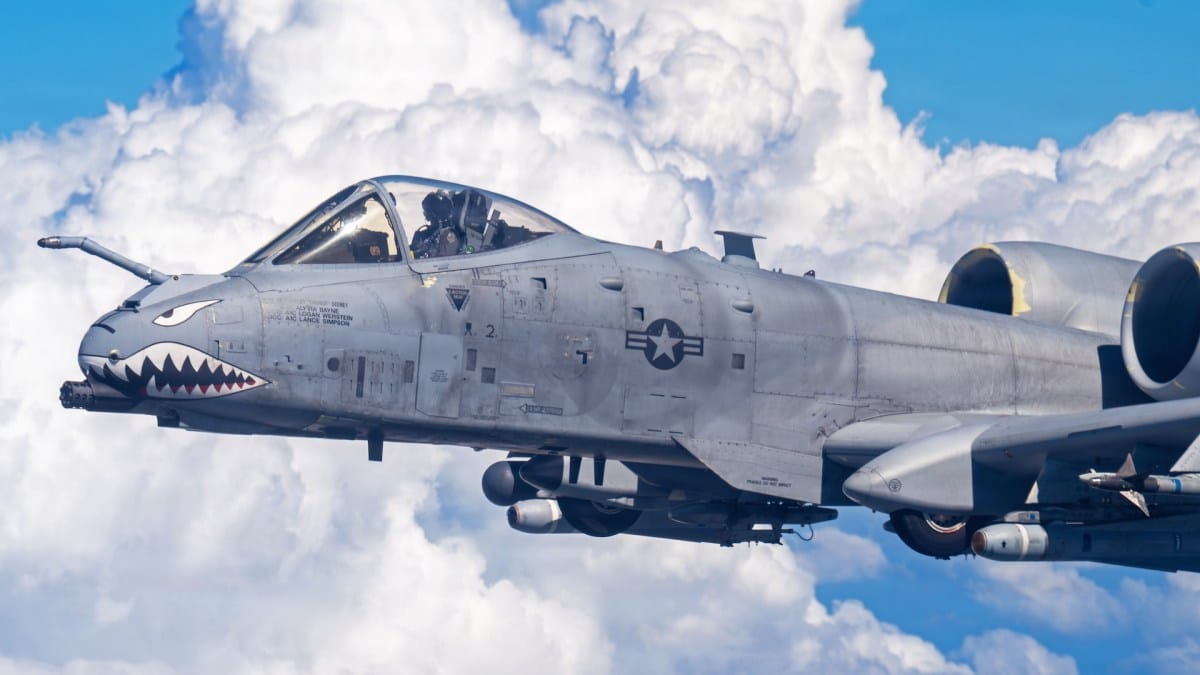
The U.S. Congress has taken steps to extend the operational life of the A-10 Warthog, a vital asset for ground attack missions, amid ongoing discussions about its future. Recent legislation requires the U.S. Air Force (USAF) to meet a series of demands that may allow the Warthog to remain in service well past 2030. This move underscores the strategic importance of the aircraft in the current defense landscape.
Integration of Autonomous Capabilities
Lawmakers have emphasized the necessity for the USAF to not only preserve the operational knowledge of the A-10 but also to explore the integration of autonomous capabilities that could potentially take over some of its missions. This initiative reflects a broader trend within military aviation to adapt to evolving threats and technological advancements, ensuring that legacy platforms like the Warthog can remain relevant in future combat scenarios.
The push to enhance the A-10's capabilities through automation raises important questions about the future of manned versus unmanned operations in air combat. It highlights a dual focus on maintaining traditional air support while adapting to new technologies that could revolutionize how missions are executed.
Why it matters: The decision to extend the A-10's service life and explore its autonomous potential signifies a commitment to leveraging existing assets while innovating for future warfare. Analysts will be watching closely as the USAF navigates this transition, particularly regarding how it balances the benefits of legacy aircraft with the demands of modern warfare. The initiative may set a precedent for similar upgrades across other aircraft, influencing defense spending and military strategy in the years to come.
Sources: Twz, The War Zone, LinkedIn, MSN, and Defense One