Controversial Surveillance Bill Faces Bipartisan Criticism

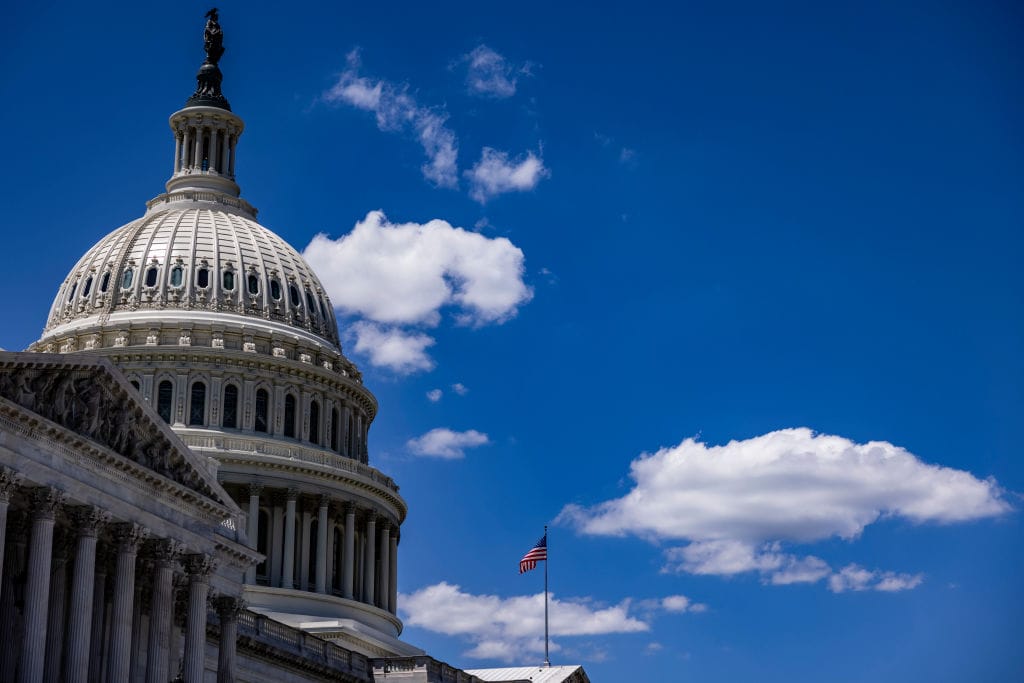
Spy Power Reauthorization Bill Under Scrutiny
The latest effort to renew a contentious surveillance law has failed to satisfy critics across the political spectrum. Both left-wing and right-wing commentators have expressed dissatisfaction with the proposed reauthorization, raising concerns about the implications for civil liberties and governmental overreach.
This legislation aims to extend powers that have long been the subject of debate, particularly regarding privacy and national security. Critics argue that the bill does not adequately address their concerns, which include the potential misuse of surveillance capabilities and a lack of transparency regarding how data is collected and used. The ongoing push for reauthorization highlights a growing tension between the need for effective surveillance to combat threats and the imperative to protect individual rights.
Why It Matters
The failure to address key criticisms in the reauthorization bill raises significant questions about the future of surveillance practices in the United States. Analysts will be watching closely to see how this backlash influences future legislative efforts, especially in an environment where both civil liberties and national security are increasingly at odds. This situation may prompt lawmakers to reconsider their approach to surveillance legislation, potentially leading to more comprehensive reforms in the future.
Sources: Cyberscoop, NPR, The Washington Post, Project On Government Oversight, and The Henry M. Jackson School of International Studies