Current Developments in Air Force Operations and Technology

The U.S. Air Force is experiencing noteworthy developments concerning its operational fleet and technological capabilities. This briefing synthesizes recent information regarding the status of the VC-25A aircraft and advancements in artificial intelligence for satellite health monitoring.
What happened
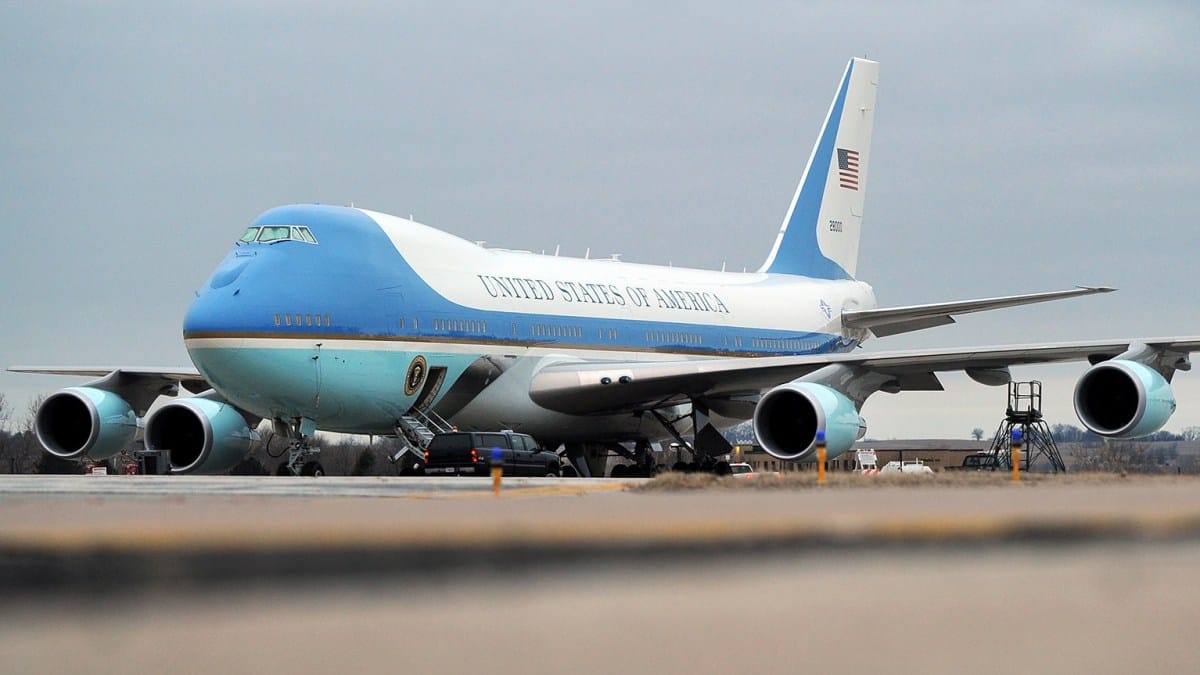
Despite circulating reports, it has been confirmed that the older VC-25A Air Force One jets will continue to remain operational. This decision comes as the ex-Qatari VC-25B “Bridge” Aircraft is set to enter service soon. The Air Force's commitment to keeping the VC-25As in the air highlights their strategic importance in presidential travel and national security operations.
The strategic calculus
On a technological front, the U.S. Air Force is investing in artificial intelligence to enhance satellite monitoring capabilities. The Air Force Research Laboratory (AFRL) is collaborating with PiLogic to explore AI-powered systems aimed at predicting satellite failures before they occur. This initiative is crucial for several reasons:
- Proactive Maintenance: Predictive capabilities could significantly reduce the risk of unexpected satellite failures, ensuring continuous operational readiness.
- Autonomous Systems: The development of autonomous space systems relies heavily on the ability to monitor and assess satellite health in real-time.
- Resource Allocation: Enhanced predictive analytics can lead to better decision-making regarding resource allocation for satellite maintenance and replacement.
The implications of these advancements could extend beyond immediate operational benefits, potentially reshaping how the Air Force approaches satellite management and space operations.
Key players and future outlook
As the U.S. Air Force continues to navigate these developments, key players such as the AFRL and private sector partners like PiLogic are positioned at the forefront of innovation in military technology. Analysts will be watching how these initiatives unfold, particularly in the context of global space competition and the increasing reliance on satellite systems.
In summary, the decision to retain the VC-25A jets alongside the introduction of the VC-25B reflects a broader strategy of maintaining operational flexibility in presidential transport. Concurrently, the push towards AI-driven satellite health monitoring exemplifies the Air Force’s commitment to leveraging cutting-edge technology to enhance its capabilities.
Sources: Twz, Thedefensepost, and The War Zone