Customs and Border Protection Agents Utilize Military Laser Technology to Intercept Object Near El Paso, Not U.S. Military Forces


Counter-Drone Action by CBP Raises Interagency Concerns
Incident Overview
Recent events near El Paso, Texas, have drawn attention to the operational dynamics between U.S. Customs and Border Protection (CBP) and military entities. Reports indicate that CBP agents deployed a military-grade laser system to disable an unidentified object. This operation has generated both support and concern among policymakers, highlighting the evolving nature of border security operations.
Clarification of Responsibilities
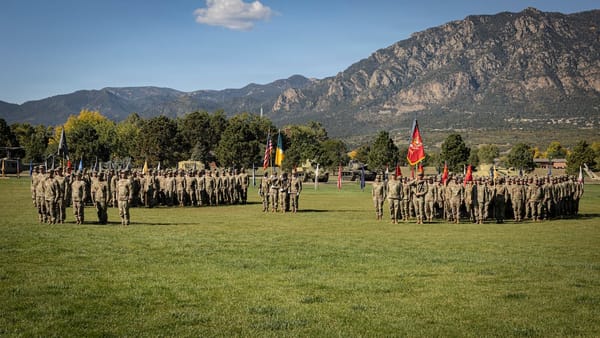
It is crucial to emphasize that this operation was carried out by CBP personnel, as opposed to U.S. armed forces. Joint Task Force – Southern Border, which integrates military personnel with federal law enforcement, was not authorized to engage in similar actions regarding drone threats in this sector. Their role primarily encompasses training CBP in the utilization of advanced technologies for border management.
- Joint Task Force Purpose:
- Collaborates closely with law enforcement agencies.
- Acts as the principal military involvement in safeguarding the U.S.-Mexico border.
Training sessions led by the task force equipped CBP operators to effectively manage drone surveillance and other emerging threats.
Approval and Operational Implications
According to sources familiar with the situation, Defense Secretary Pete Hegseth granted permission for the transfer of a military counter-drone technology to CBP. While the specific laser system utilized remains undisclosed, it underscores a trend toward integrating military capabilities into civilian law enforcement operations.
Interagency Tensions
The operation has reportedly resulted in friction between the Pentagon and the Federal Aviation Administration (FAA). This tension prompted the issuance of a temporary flight restriction that created operational delays. A brief overview includes:
- Flight Restrictions:
- A 10-day ban was initially imposed but lifted within hours.
- FAA and Pentagon officials are scheduled to convene to discuss future operations involving counter-drone technologies.
Cartel Drone Threats
A spokesperson from the Trump administration commented that rogue drone operations linked to Mexican cartels have encroached upon U.S. airspace, leading the Defense Department to proactively disable these threats. They asserted there was no imminent danger to commercial aviation, which highlights the delicate balancing act between national security and air traffic management.
Signal from the Administration
This incident serves as an example of the U.S. government’s adaptive responses to asymmetric threats posed by non-state actors. The actions taken by CBP, potentially without full interagency alignment, underline the urgent need for clearer protocols in dealing with aerial threats at the border.
Conclusion
The recent incident near El Paso is indicative of the changing landscape of national security, particularly concerning the complexities of modern threats and interagency cooperation. While CBP’s actions may enhance immediate safety, they also raise important questions about the role of military technology in civilian operations and the need for cohesive strategy among federal agencies. Continued scrutiny and dialogue will be essential as these issues evolve and as the U.S. seeks to maintain secure and efficient borders in an increasingly complex global environment.
For ongoing updates, the situation remains fluid, and further developments are anticipated.