Cyber Attack Targets US Army Websites with Political Messages

Incident Overview
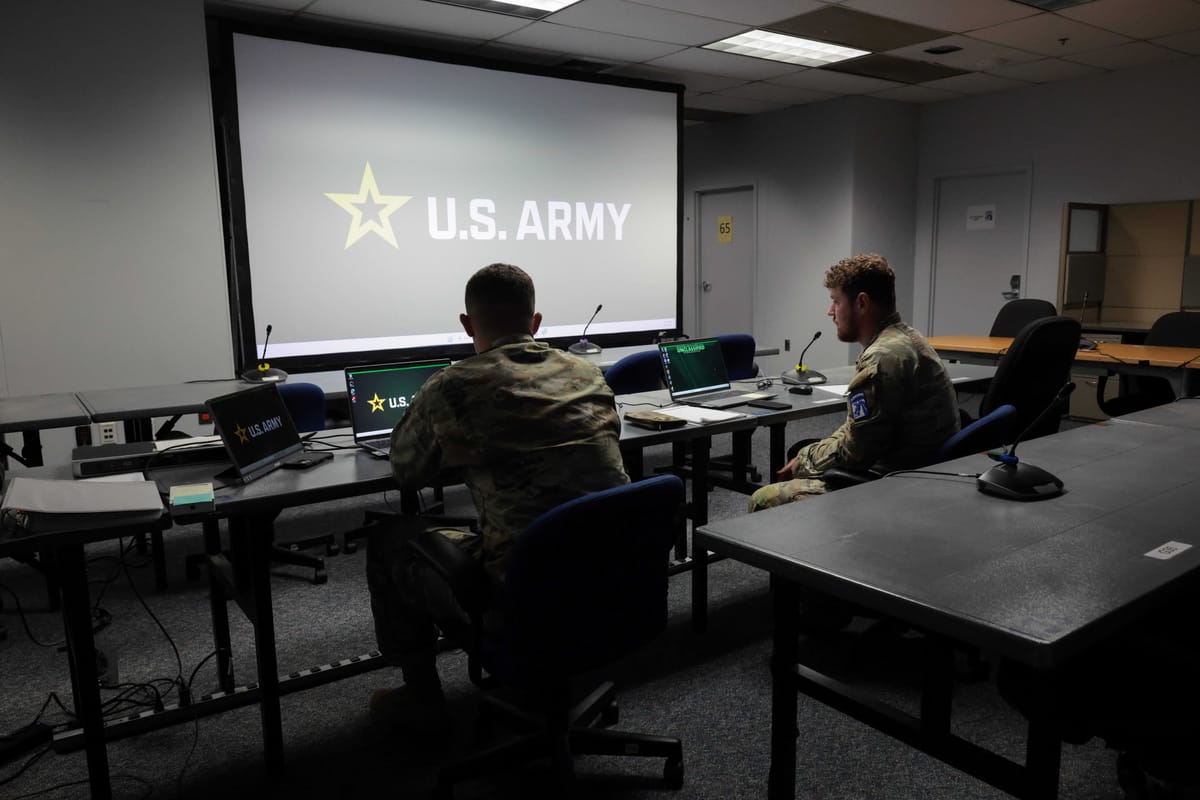
Multiple U.S. Army subdomains were recently compromised in a cyber operation that involved a 404 hijacking campaign. This attack resulted in the display of pro-Kurdish sentiments and insults directed at President Trump on the affected error pages. The incident raises concerns about the security measures in place to protect military digital assets from politically motivated cyber intrusions.
Context and Analysis
The defacement of U.S. Army websites signifies a troubling trend where politically charged cyber activities intersect with national security. While the specific motivations behind this attack have not been detailed, the messages displayed suggest an alignment with pro-Kurdish sentiments, which could indicate an attempt to exploit existing geopolitical tensions. The targeting of military sites also highlights the potential vulnerabilities in the cyber defenses of government institutions, especially in an era where such platforms can be easily weaponized by adversaries or activist groups seeking to make a statement.
The implications of this cyber incident are significant. It not only calls into question the effectiveness of current cybersecurity protocols within the Department of Defense but also emphasizes the necessity for enhanced vigilance against politically motivated cyber threats. As cyber capabilities continue to evolve, the potential for similar attacks to disrupt military communications or spread propaganda is an ever-present risk. This raises the question of how the U.S. military will adapt its defensive strategies to mitigate such threats in the future.
Why it matters: The breach of U.S. Army websites with politically charged content underscores the need for robust cybersecurity measures. Analysts will be watching how the Department of Defense responds to this incident, particularly in terms of reinforcing security protocols and addressing the broader implications of politically motivated cyber activities on national and military security.
Sources: Cyberscoop, TechCrunch, Straight Arrow News - SAN - Unbiased. Straight Facts., and SC Media