Cybercom Uncovers Chinese Malware in South American Countries - Nominee for Joint Chiefs Chairman

Uncovering Threats: The Impact of U.S. Cyber Command’s Hunt-Forward Operations in Latin America
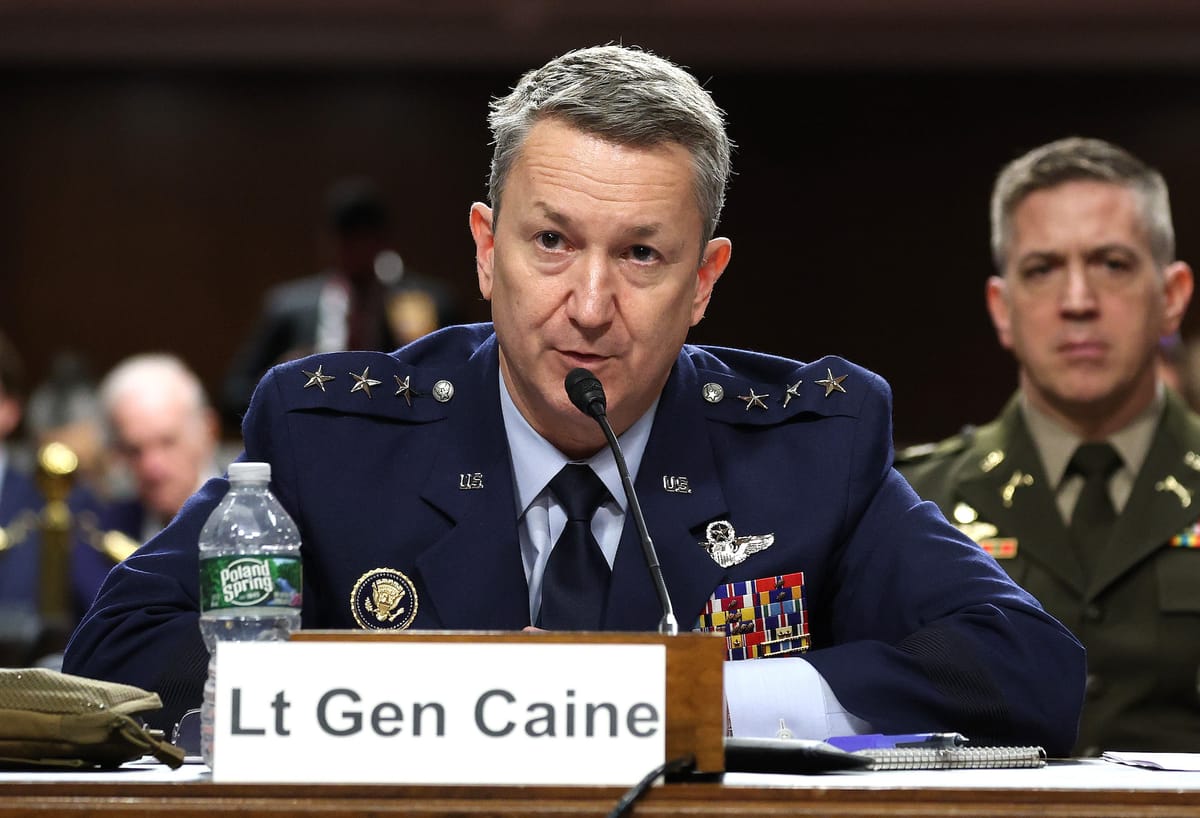
Recent developments in cyber security have brought attention to the proactive measures being taken by the U.S. Cyber Command (Cybercom) to protect not just its own networks but those of its allies around the globe. A particularly revealing statement made by retired Lt. Gen. Dan Caine, nominee to be the next chairman of the Joint Chiefs of Staff, outlined how Cybercom’s hunt-forward operations have identified Chinese malware embedded within the networks of various Latin American countries.
Understanding Hunt-Forward Operations
Hunt-forward operations are a unique initiative led by the Cyber National Mission Force (CNMF), where teams are deployed at the invitation of foreign nations to help identify malicious activities within their cyber infrastructures. This collaborative approach serves multiple purposes: it bolsters the cybersecurity defenses of partner nations and provides the U.S. government with critical insights into adversaries’ tactics, thereby allowing for a more robust defense at home.
By sharing intelligence and resources, both the United States and host nations can increase their capabilities to fend off potential cyber threats from adversarial nations, particularly those believed to be linked to the Chinese Communist Party.
The Scope of Cyber Command’s Mission
In the Southern Command area, which encompasses 31 countries and territories in Central and South America as well as the Caribbean, Cybercom’s operations are conducted under strict guidelines. High levels of sensitivity surround the specifics of these missions, often necessitating governmental approval before any public disclosure can be made.
This sensitivity is underscored by the understanding that nation-states like China have strategic interests in Latin America and have reportedly been expanding their cyber operations. The mere presence of Chinese malware in these countries reveals the scale and nature of potential threats facing their cyberspace.
Cybercom’s Response and Collaboration
While Cybercom has not confirmed the specific findings of malware by Lt. Gen. Caine, it has publicly acknowledged its role in assisting partner nations that seek support in enhancing their cyber defenses. A spokesperson for Cybercom reiterated that their core mission encompasses defending U.S. interests in cyberspace while fostering allied relationships and strengthening network security on a global scale.
The operation of hunt-forward teams has been notable—recently, these teams have executed two dozen operations each year, focusing on various adversaries, including nations like Russia and Iran in addition to China. In fact, Cybercom has previously reported conducting 22 missions in 17 different countries, yielding critical malware samples that have contributed to a broader global understanding of cyber threats.
Historical Context and Operational Impact
The importance of hunt-forward operations has been underscored in challenging times, as seen during the 2022 Russian invasion of Ukraine. Cybercom benefited from preemptive operations in Ukraine, which helped to secure and fortify their networks against impending cyber threats, ultimately reducing the effectiveness of Russian cyber activities.
The Dual-Hat Dilemma
As discussions about Cybercom’s structure evolve, one of the more contentious subjects is the dual-hat arrangement. This structure appoints the same individual as both the commander of Cybercom and the director of the National Security Agency (NSA). Proponents argue this dual-hat arrangement allows for improved intelligence sharing and swifter operational responses, enhancing overall military effectiveness. Critics, however, contend that the combination of roles may be too powerful and could hinder the potential for covert operations due to the blending of military and intelligence missions.
In his responses to lawmakers, Caine supported this dual arrangement, citing its value in operational agility and fostering international collaborations with allies who possess corresponding intelligence and cyber capacities.
Looking Ahead
With the geopolitical landscape ever-changing, high-ranking officials continue to advocate for a comprehensive approach to cyber defense. As U.S. officials prepare to address this complex issue in Congress, insights from ongoing operations will undoubtedly shape the future direction of U.S. cybersecurity policy. Cybercom’s role in identifying and mitigating cyber threats may very well remain a focal point in defending both national and allied cyberspace.
As the discussion evolves and the landscape shifts, Cybercom’s commitment to hunting down threats and safeguarding partner nations in their mutual fight against adversarial cyber operations remains critical.