Czechia to Supply New Handguns to German Armed Forces

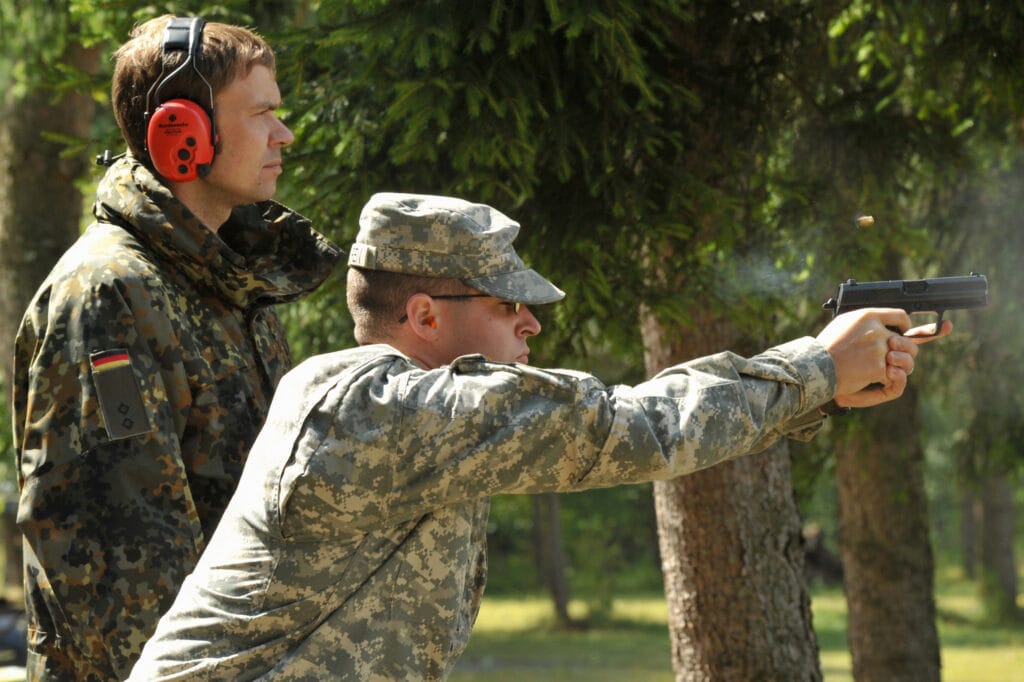
Germany Enhances Military Handgun Capabilities with CZUB Partnership
Germany is poised to upgrade its armed forces’ standard-issue sidearm by partnering with Česká zbrojovka Uherský Brod (CZUB), a prominent Czech defense contractor. This collaboration is set to transition the military from the current Heckler & Koch P8 to the new P13 handgun, which is designed around the 9×19-millimeter caliber.
Competitive Selection Process
The procurement process involved a critical evaluation among three contenders: CZUB, Slovenia’s Arex, and Austria’s Glock. CZUB’s selection was influenced significantly by cost-effectiveness, as reported by the Göttingen-based media outlet Hartpunkt. Notably, the evaluation process did not include live-fire or operational trials, prompting discussions about the procurement methods employed in modern defense acquisitions.
Financial Commitment and Future Scope
The German Ministry of Defense is drafting a proposal estimated at €25 million (approximately $29.2 million), which is anticipated to be presented to the Bundestag before the upcoming fall session. If approved, this initiative will span up to seven years, with CZUB scheduled to deliver approximately 186,000 units of the P13.
Key Features and Specifications
- Effective Range: The P13 boasts an operational shooting distance of around 50 meters (164 feet), making it suitable for a variety of military scenarios.
- Carrying Solutions: The Bundeswehr has articulated intentions to provide carrying systems that accommodate various transport styles. Importantly, the award focuses solely on the handgun and does not encompass holster procurement, which will adhere to a predefined standard for compatibility with the new carrying equipment.
Strategic Implications
This acquisition represents not only a modernization of the German armed forces’ handgun capabilities but also showcases the broader trend in NATO member countries towards enhancing interoperability among allied forces. By moving away from the P8, a weapon that has been in service for over three decades, Germany aligns its operational capabilities with contemporary standards and expectations.
Contextual Considerations
Germany’s decision reflects an increasingly sophisticated defense posture, particularly in light of growing security challenges in Europe. The evolution of firearm technology has necessitated that armed forces adapt rapidly to ensure that personnel are equipped with reliable, effective tools for combat and security operations.
As this initiative progresses, it will be critical to monitor both the implementation of the contract and the integration of the P13 into existing military frameworks. This transition may also include assessments concerning training protocols and operational readiness associated with the adoption of new firearms technology.
In summary, the collaboration between Germany and CZUB marks a significant step forward in updating the Bundeswehr’s armament and adapting to the evolving demands of modern warfare. The strategic procurement not only enhances military capabilities but also reinforces commitment to cost-efficient and effective defense investments.