DARPA Launches Initiative for Advanced Military Battery Development

New Battery Technology for Enhanced Military Capability
The Defense Advanced Research Projects Agency (DARPA) is spearheading an initiative aimed at developing next-generation military batteries that promise to deliver a tenfold increase in energy gain. This effort underscores the U.S. commitment to advancing military technology, particularly as demands for more efficient and powerful battlefield systems continue to grow. The program is part of DARPA's broader strategy to enhance operational capabilities through innovative energy solutions.
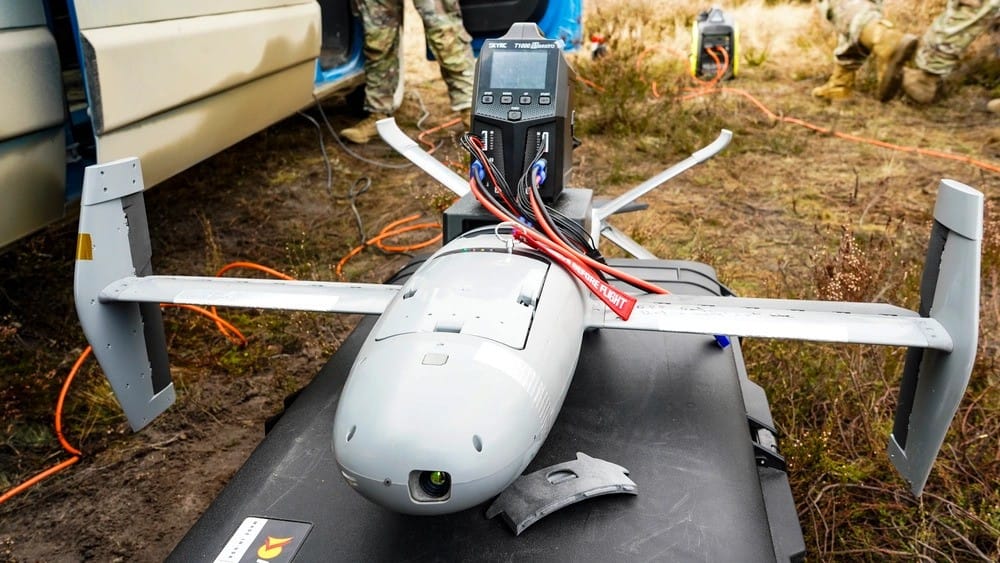
The push for improved battery technology is critical, as current energy storage solutions often limit the effectiveness and endurance of military equipment. By targeting a significant increase in energy output, the new batteries could enable longer operational periods for unmanned systems, advanced weaponry, and other essential battlefield assets. Analysts are particularly interested in how this initiative will address existing limitations and support the evolving needs of military operations.
Strategic Implications of Enhanced Energy Solutions
This development not only aims to improve military effectiveness but also reflects a growing recognition of the importance of energy resilience in modern warfare. The capacity for sustained operations using more efficient energy sources can provide U.S. forces with a strategic advantage. Furthermore, this initiative could influence the future of military logistics and supply chain management, as less reliance on traditional fuel sources may streamline operational processes.
Why it matters: The success of DARPA's battery program could have far-reaching implications for military strategy and operational readiness. Enhanced energy solutions are critical as the U.S. prepares to confront evolving threats on the global stage. This raises the question of how quickly these advancements can be integrated into existing systems and what impact they may have on future military engagements.
Sources: Thedefensepost, The Defense Post, Tech Briefs, darpa.mil, and Nuclear Engineering International