Developments in Collaborative Combat Aircraft and Memorial Design

New Initiatives in Drone Development
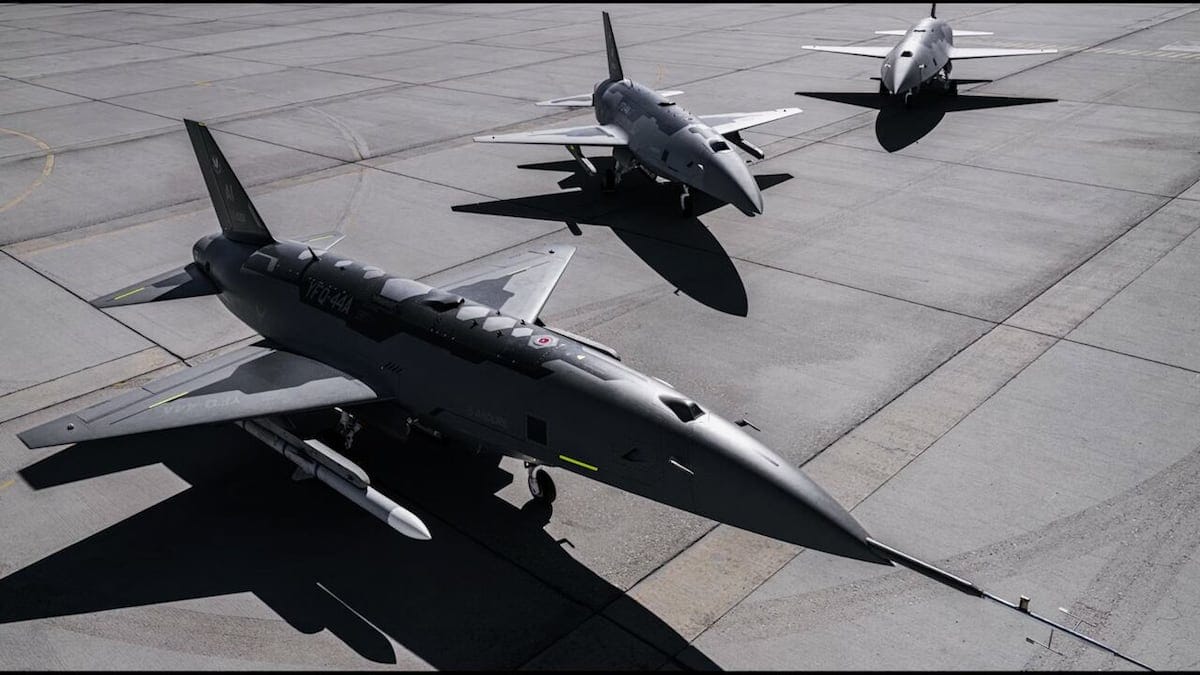
In recent headlines, Anduril and General Atomics have been selected to develop collaborative combat aircraft. This initiative reflects a growing emphasis on enhancing the capabilities of unmanned systems in military operations. By leveraging the strengths of both companies, the U.S. aims to advance its aerial combat technologies in a landscape increasingly dominated by drone warfare.
The decision to engage these two firms underscores a strategic pivot towards integrating advanced technologies into combat scenarios. Collaborative combat aircraft, which can operate in tandem with other military assets, represent a significant evolution in how air power can be deployed. This development is part of a broader trend to enhance operational effectiveness through technological innovation.
Global War on Terror Memorial Unveiled
Alongside advancements in military technology, the design for the new Global War on Terror (GWOT) memorial has been unveiled. This memorial aims to honor the sacrifices made during the ongoing efforts against terrorism. The significance of such a memorial lies not only in its commemorative purpose but also in its role as a reminder of the enduring commitment of the U.S. military and its allies in the fight against global terrorism.
The juxtaposition of technological advancements in military capabilities with the unveiling of a memorial reflects the complex reality of modern warfare—where high-tech solutions are employed to confront longstanding security challenges. As the GWOT memorial is established, it serves as a focal point for public recognition of the sacrifices made by service members, potentially influencing future military and defense policy discussions.
Why It Matters
The development of collaborative combat aircraft signals a shift towards more integrated and sophisticated military operations, which could redefine air combat strategies. Analysts will be watching how this initiative impacts future defense spending and military readiness. Similarly, the GWOT memorial may foster a renewed discourse on the implications of prolonged military engagements and the sacrifices involved. Together, these developments highlight the need for a balanced approach to military innovation and remembrance in the context of ongoing global security challenges.
Sources: Defensenews, The War Zone, Council on Foreign Relations, The Conversation, and Ars Technica