Disruption of Russian Access to Starlink and Its Implications for Modern Warfare

Impact of Starlink on the Ukrainian Front
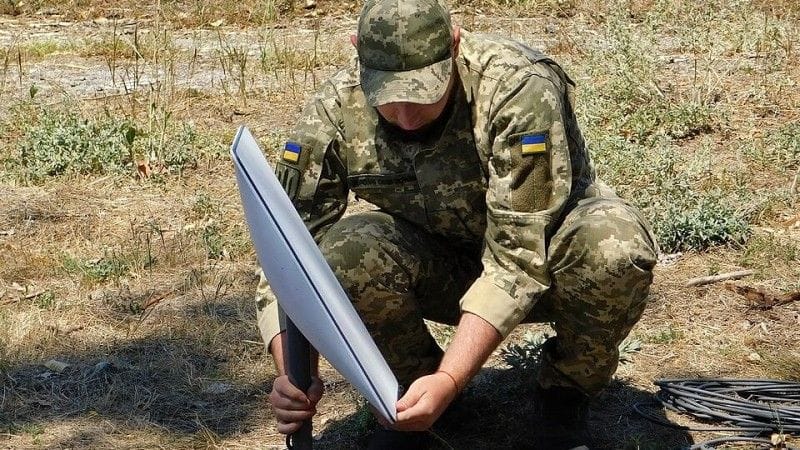
Recent developments on the Ukrainian front have highlighted the significance of satellite communication systems like Starlink in modern warfare. The interruption of Russian access to Starlink temporarily hindered their operational capabilities, demonstrating the critical role of advanced technology in contemporary military engagements. This incident not only affected immediate battlefield dynamics but also revealed the vulnerabilities of traditional military strategies in the face of technological advancements.
As the conflict in Ukraine unfolds, the disruption of Russian communications underscores the necessity for both sides to adapt to an increasingly tech-driven landscape. The battlefront is evolving, with reliance on satellite networks proving vital for real-time intelligence and operational coordination. The situation illustrates how modern conflicts require nations to rethink their defense strategies, emphasizing the importance of maintaining robust access to technological resources. The implications extend beyond Ukraine, prompting European nations to consider their own strategic autonomy in light of potential future conflicts.
Why it Matters
The repercussions of this disruption raise essential questions about the future of military engagements in Europe and beyond. As nations assess the lessons learned from Ukraine, there is a growing urgency to enhance their technological capabilities to ensure operational resilience. Analysts will be watching how European nations respond to these insights, particularly in their efforts to achieve greater strategic autonomy in defense matters. The integration of advanced communication technologies will likely become a cornerstone of military strategy moving forward, shaping the way conflicts are approached and managed in the years to come.
Sources: Defence24, Defence24.com, The Kyiv Independent, SpaceNews, and The New Voice of Ukraine