Emerging Defense Innovations at DSA 2026: Malaysia and China's Latest Offerings

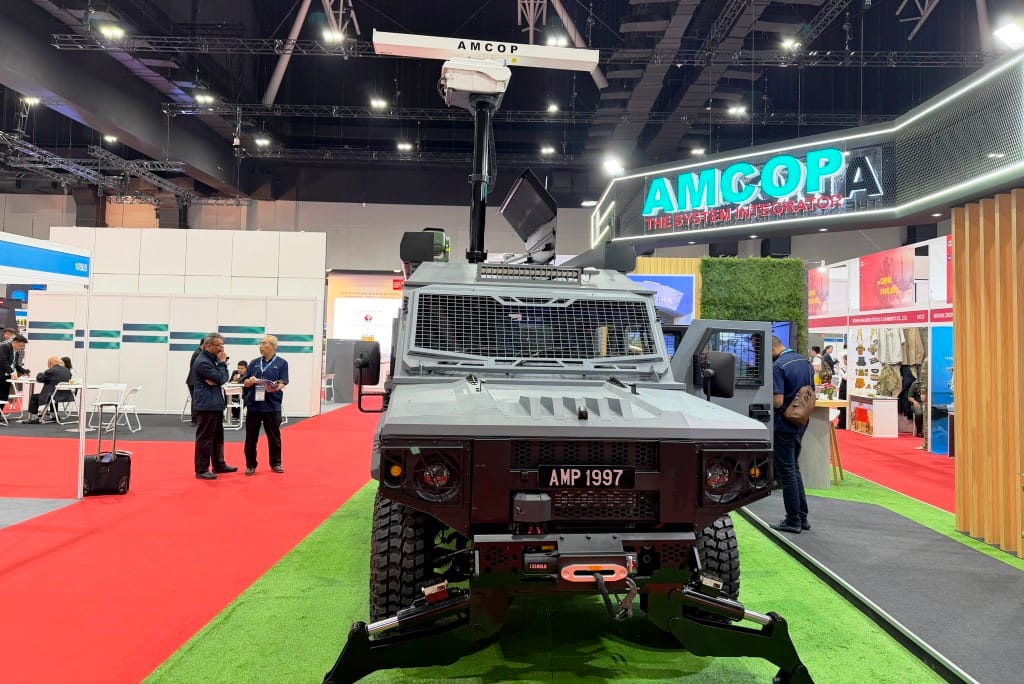
The DSA & NATSEC Asia exhibition in Kuala Lumpur has showcased significant advancements in defense technology, specifically through the introduction of Malaysia's MSU MK‑III mobile surveillance radar vehicle by AMCOP and a new 10-person assault vehicle from China's Dongfeng–ANR. These innovations further highlight the evolving landscape of military capabilities in the region.
What happened
At the recent defense exhibition, AMCOP unveiled its MSU MK‑III, a state-of-the-art mobile surveillance asset designed to enhance Malaysia's operational capabilities. This vehicle is equipped with advanced radar systems aimed at improving surveillance and reconnaissance functions across diverse terrains.
In addition, Dongfeng–ANR introduced a 10-person protective assault vehicle, engineered for modern operational needs. This vehicle is intended to bolster infantry mobility and protection in combat zones, reflecting a growing demand for versatile and fortified military transport solutions.
The strategic calculus
These developments signal a potential shift in regional defense strategies, as nations adapt to new security challenges. The introduction of the MSU MK‑III underscores Malaysia's commitment to enhancing its surveillance capabilities, crucial for monitoring territorial integrity and responding to emerging threats.
Conversely, Dongfeng–ANR's assault vehicle represents China's ongoing efforts to expand its influence in defense technology. This raises the question of how these advancements may impact the balance of power in Southeast Asia, particularly regarding joint military operations and alliances.
- MSU MK‑III: Mobile surveillance radar vehicle by AMCOP.
- 10-person assault vehicle: Developed by Dongfeng–ANR for enhanced mobility and protection.
- Strategic implications: Both vehicles could reshape operational dynamics in the region.
The bigger picture
The introduction of these vehicles at DSA 2026 illustrates the increasing importance of technological advancement in defense strategies. As countries like Malaysia and China continue to innovate, the implications for regional security are profound. Analysts will be watching how these capabilities influence military preparedness and international relations, particularly in light of the ongoing geopolitical tensions in the area.
In summary, the MSU MK‑III and Dongfeng–ANR's assault vehicle reflect a broader trend of modernization within Southeast Asian defense sectors. The move towards enhanced surveillance and mobility capabilities not only prepares nations for contemporary threats but also sets the stage for future collaborations and potential conflicts.
Sources: Edrmagazine, EDR Magazine - European Defence Review, Army Recognition, malaysiasun.com, and Defence Security Asia