Emerging Space-Based Nuclear Threats and Strategic Responses

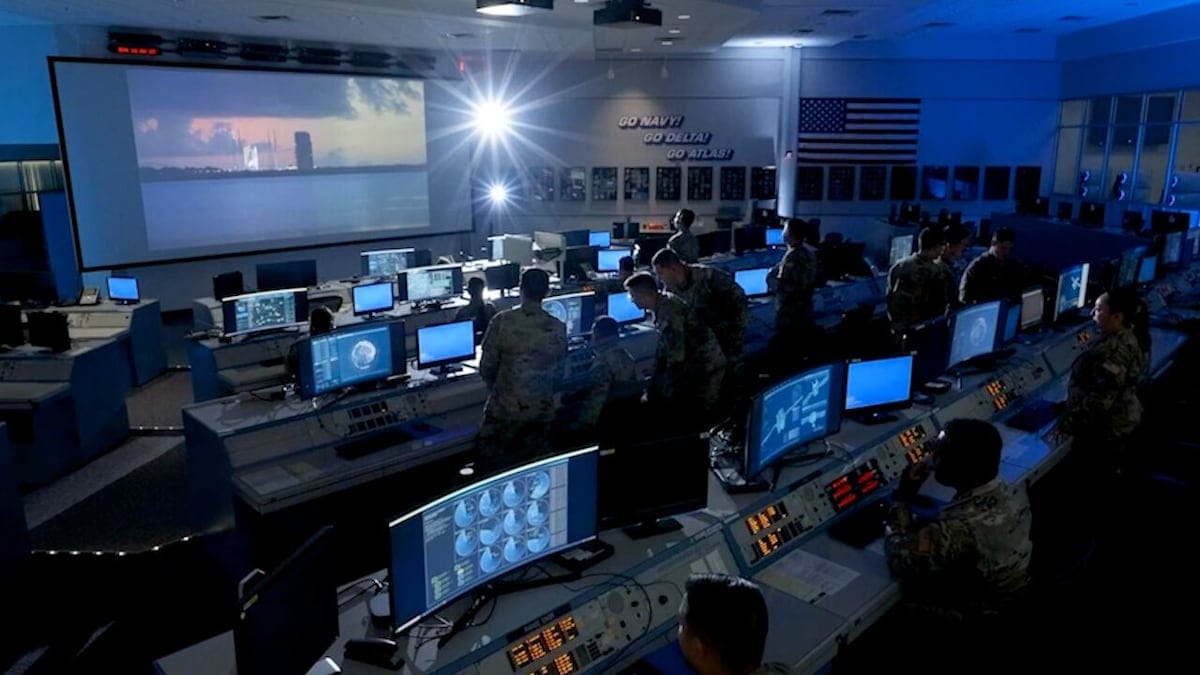
The landscape of military capabilities is transforming, particularly in the realm of space. As adversaries continue to develop advanced technologies, concerns are mounting around the potential for nuclear weapons in space. U.S. Strategic Command and the Space Force have recently briefed Congress on these escalating threats, emphasizing the need for a robust response to safeguard national interests.
What Happened
Recent testimonies from military leaders have revealed alarming advancements in adversarial capabilities, particularly from Russia, which is reportedly exploring the feasibility of deploying nuclear weapons in space. This move could enable the country to target U.S. satellites and other critical space assets, fundamentally altering the security dynamics in the region.
In parallel, the White House has initiated a push for the deployment of nuclear reactors in space, citing the need for advanced energy solutions to support future military operations. This effort, following previous initiatives from the Trump administration, aims to enhance the U.S. military's operational capabilities in space, ensuring that American forces maintain a technological edge.
The Strategic Calculus
The intersection of these developments raises critical questions for U.S. defense strategy:
- How should the U.S. respond to the potential militarization of space?
- What measures can be taken to protect vital satellite infrastructure?
- How can the U.S. leverage its own nuclear capabilities in a way that deters adversaries?
The push for space-based nuclear reactors could serve multiple purposes, including providing power to systems that enhance surveillance and communication. However, deploying nuclear weapons in space would not only escalate tensions with adversaries like Russia but also risk a new arms race in the cosmos.
What Comes Next
As these strategic developments unfold, the U.S. must act decisively to shape the future of space security. Key actions may include:
- Investing in advanced missile defense systems to protect against potential space-based nuclear threats.
- Enhancing diplomatic efforts to establish norms and agreements governing the militarization of space.
- Accelerating research and development for space-based power systems that can support military and civilian applications.
The implications of allowing nuclear weapons in space are profound. It could lead to heightened global tensions and a re-evaluation of existing arms control agreements. As the U.S. navigates this uncharted territory, a proactive approach that balances deterrence with international cooperation will be crucial for maintaining strategic stability.
Sources: Defensenews, Defenseone, U.S. Department of War (.gov), The Nuclear Threat Initiative, Atlantic Council, and PBS