Emerging Trends in Naval Shipbuilding: Saronic and China's Strategic Moves

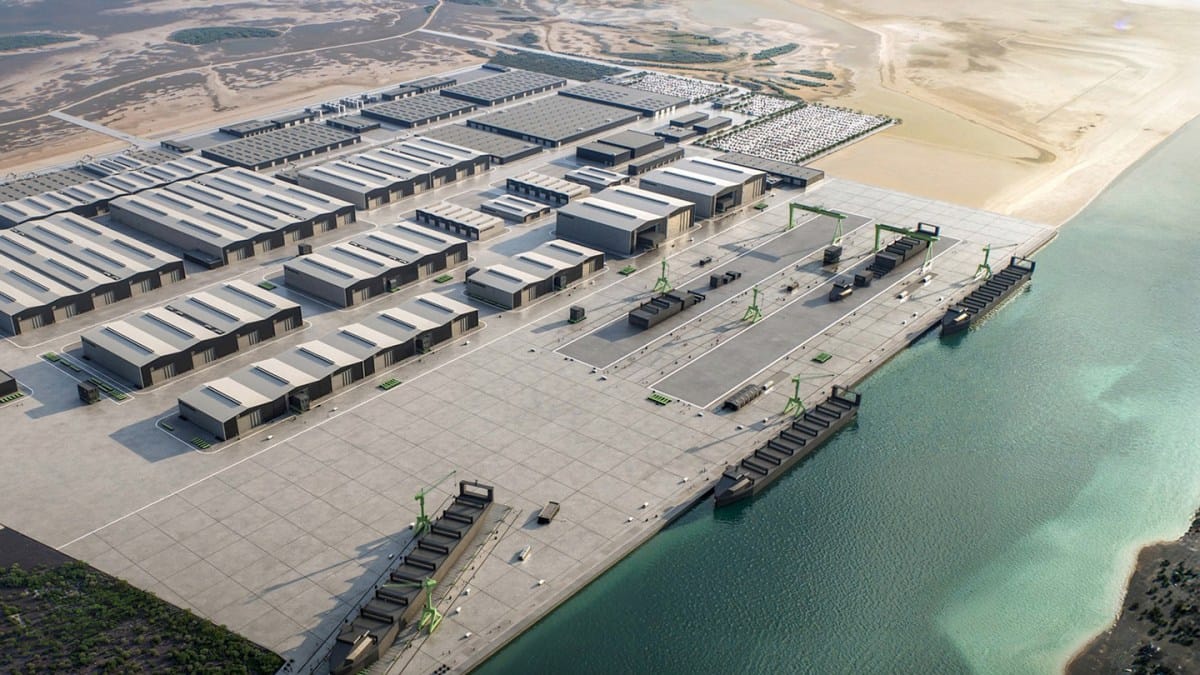
The naval shipbuilding industry is witnessing significant developments as Saronic, a drone ship maker, announces the establishment of a new $3 billion shipyard in Texas, while China is making strides with the construction of what appears to be the largest at-sea replenishment ship globally. These advancements highlight the increasing competition and evolving strategies within the maritime defense sector.
What Happened
Saronic has gained attention for its innovative drone boats, but the unveiling of its Texas shipyard marks a notable expansion of its capabilities, with the facility designed to build 850-foot vessels. This investment signals a commitment to scaling production and enhancing the United States' maritime technology.
On the other side of the Pacific, China is reportedly constructing a massive supply ship intended to support its carrier groups. This vessel is anticipated to be the largest at-sea replenishment ship in the world, emphasizing China's focus on enhancing its naval logistics and operational readiness.
The Strategic Calculus
The emergence of these two projects raises questions about the strategic calculations influencing naval power dynamics:
- Operational Capability: Saronic's new shipyard could bolster the U.S. Navy's capabilities by producing advanced drone vessels that enhance maritime surveillance and strike capabilities.
- Logistical Strength: China's investment in a large supply ship reflects a strategic prioritization of logistical support, which is crucial for sustaining naval operations, especially in distant waters.
- Competitive Landscape: Both developments signal a competitive shift in naval shipbuilding, with the potential for increased tensions in international waters as both nations seek to assert dominance.
The Bigger Picture
As Saronic ramps up its production capabilities in Texas, analysts will be watching how this impacts the U.S. defense posture in the face of growing maritime challenges. Meanwhile, China's focus on creating robust support ships could signify a long-term strategy to project power across the Asia-Pacific region and beyond.
The implications of these advancements could reshape maritime strategies and defense allocations for both nations. With emerging technologies at the forefront, the race for naval superiority is increasingly intertwined with logistics, technology, and strategic foresight.
Sources: Twz, Texas Scorecard, DredgeWire, and Fast Company