Enhancing Air Defense Capabilities: Recent Developments in NATO and U.S. Systems

NATO's recent contract with U.S. defense contractor Raytheon to supply Poland with Patriot GEM-T air defense missiles signifies a strategic step in bolstering Poland's defenses against evolving missile and drone threats. Concurrently, the U.S. Marine Corps has validated its new MRIC air defense system by successfully intercepting a live aerial target, showcasing advancements in Indo-Pacific air defense capabilities. Together, these developments highlight a concerted effort to enhance air defense systems in response to increasing global security challenges.
What Happened
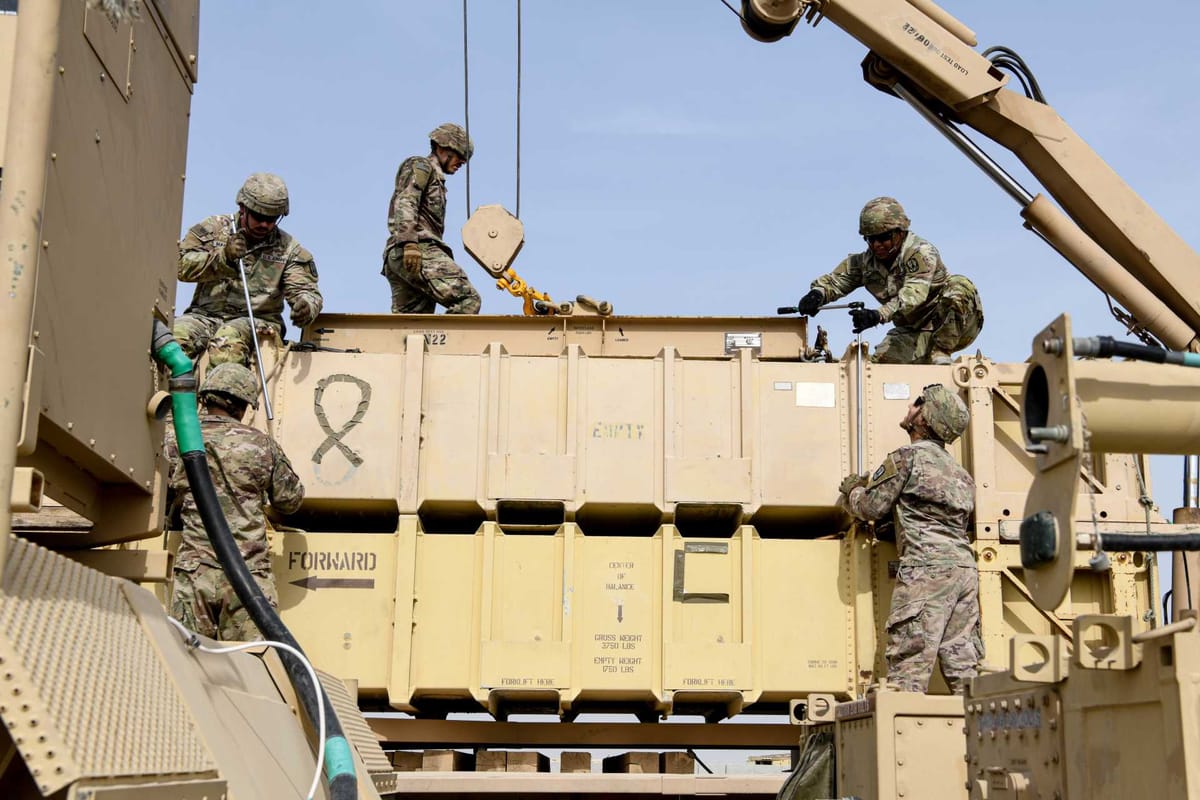
The NATO contract awarded to Raytheon involves the supply of Patriot GEM-T air defense missiles to Poland. This acquisition is expected to significantly improve the nation's defensive posture against potential missile and drone attacks.
Simultaneously, the U.S. Marine Corps has achieved a milestone by successfully conducting the first live aerial target intercept with the MRIC air defense system. This operational success not only demonstrates the system's effectiveness but also reinforces the U.S. commitment to strengthening its air defense capabilities in the Indo-Pacific region.
The Strategic Calculus
These two developments are part of a broader strategy to reinforce air defense capabilities amid a complex global security landscape. Key implications include:
- Enhanced Deterrence: With the introduction of advanced systems like the Patriot GEM-T in Poland, NATO aims to deter potential aggressors by showcasing a robust defense mechanism.
- Indo-Pacific Focus: The successful interception by the MRIC system underscores the U.S. military's focus on addressing aerial threats in the Indo-Pacific, an area of growing strategic importance.
- Collaborative Defense Initiatives: NATO's procurement efforts exemplify the alliance's commitment to collective defense, while U.S. advancements signal a proactive stance in maintaining regional security.
What Comes Next
As these systems are integrated and operationalized, analysts will be watching for several key developments:
- The effectiveness of the Patriot GEM-T in real-world scenarios and its impact on Poland's defense posture.
- Further testing and deployment of the MRIC system within U.S. Marine Corps operations, particularly in the Indo-Pacific region.
- Potential responses from adversarial nations to these enhancements in air defense capabilities, which could lead to shifts in military strategies across Europe and Asia.
In summary, the intertwining of NATO's procurement actions with U.S. Marine Corps advancements reflects a unified approach to safeguarding national and regional security interests against emerging threats.
Sources: Armyrecognition and Army Recognition