Enhancing Arctic Capabilities: NATO and U.S. Army Initiatives

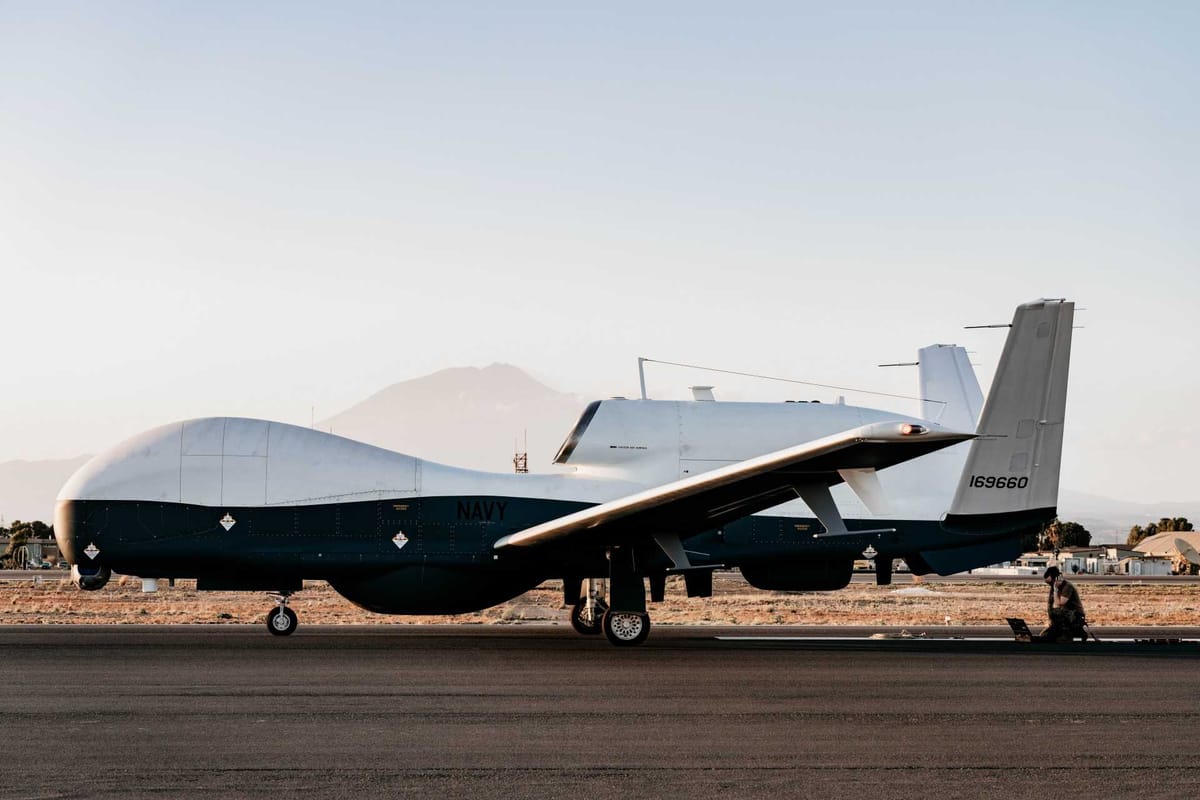
NATO is taking significant steps to bolster its surveillance capabilities in the Atlantic Baltic and Arctic regions with the acquisition of its first U.S. MQ-4C Triton drone. This move aligns with the alliance's strategic objectives to enhance maritime security in increasingly contested environments. Simultaneously, the U.S. Army National Guard is enhancing its operational readiness in the Arctic through the delivery of 19 BAE Systems CATV tracked vehicles, aimed at improving mobility, training, and casualty evacuation capabilities.
What Happened
The NATO decision to acquire the MQ-4C Triton drone marks a notable expansion of its aerial surveillance assets. This drone, designed for long-range maritime reconnaissance, will play a vital role in monitoring activities across the vast and challenging Arctic and Baltic regions. The capability to conduct high-altitude, long-endurance missions aligns with NATO’s focus on adapting to emerging security threats.
In a parallel development, the U.S. Army National Guard has received the first batch of BAE CATV vehicles. These tracked vehicles are specifically designed for Arctic operations, providing enhanced mobility in harsh terrains and improving the Army’s ability to conduct effective training and casualty evacuation operations in mountainous and icy conditions.
The Strategic Calculus
The integration of the MQ-4C Triton into NATO's assets represents a strategic enhancement for the alliance. The drone will enable:
- Real-time intelligence gathering across vast maritime areas.
- Increased situational awareness for NATO member states operating in contested regions.
- Improved coordination in joint operations, particularly in the Arctic where geopolitical tensions are on the rise.
On the U.S. side, the introduction of BAE's CATV vehicles into the Army National Guard signifies a focused approach to Arctic warfare capability development. The vehicles will allow for:
- Enhanced training opportunities in realistic environments, preparing forces for potential operational scenarios.
- Improved mobility during training exercises, critical for effective response and casualty evacuation.
Both initiatives reveal a concerted effort by NATO and the U.S. Army to adapt to the unique challenges posed by Arctic and maritime environments, reflecting evolving security dynamics.
What Comes Next
The implications of these enhancements raise questions about future operational readiness and strategic posturing in the Arctic. Analysts will be watching how NATO integrates the Triton drone into joint exercises and how the U.S. Army leverages the new CATV vehicles to strengthen its presence in the region.
Furthermore, as both NATO and the U.S. Army continue to develop their Arctic capabilities, the focus will likely shift toward joint interoperability and collaborative training exercises, which will be essential for effective responses to emerging threats.
In summary, these developments signal a proactive approach to enhancing defense capabilities in the Arctic and maritime domains, underscoring the importance of preparedness in an evolving security landscape.
Sources: Armyrecognition