Escalating Gulf Tensions: Iran Strikes Kuwait, US Responds

Recent Developments in Gulf Security
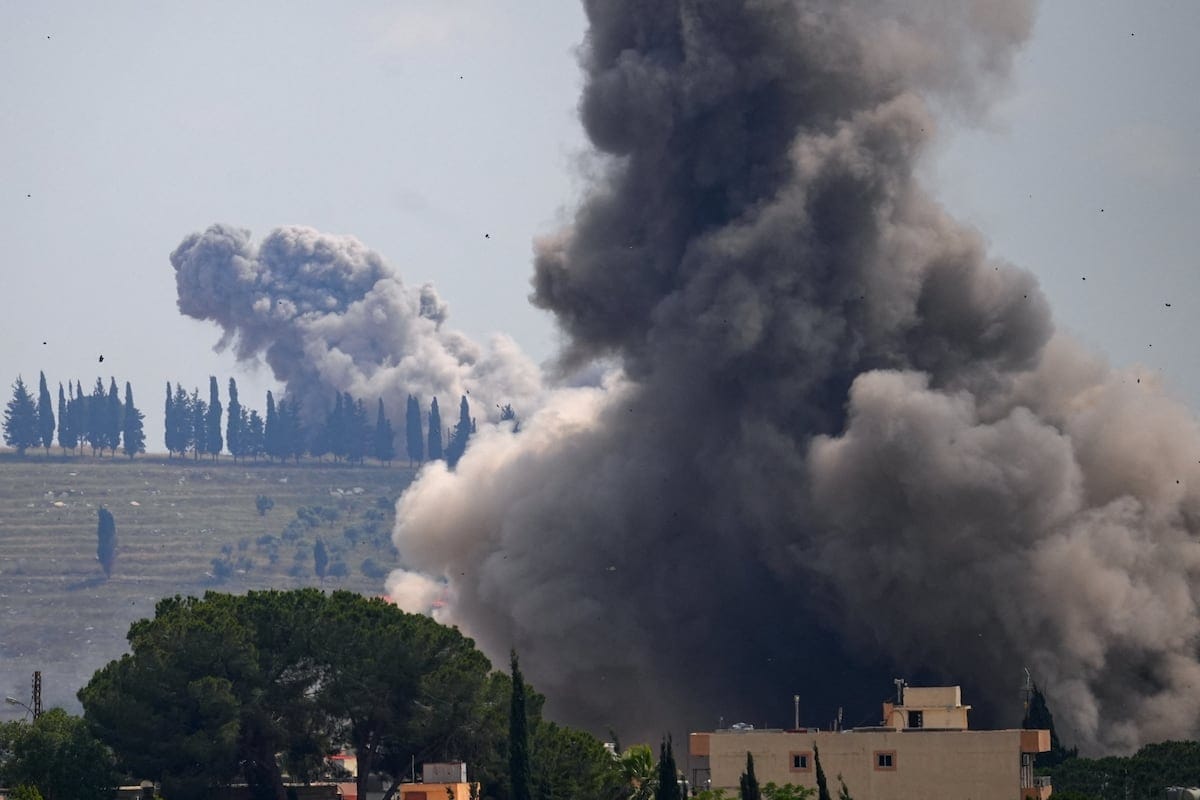
In a troubling escalation of tensions, an Iranian drone attack on Kuwait's airport has resulted in one fatality. This incident marks a significant increase in hostilities in the region. Concurrently, U.S. Central Command (CENTCOM) has confirmed that it executed a series of defensive strikes in southern Iran as part of its ongoing military operations.
Context and Analysis
This recent attack highlights the persistent volatility of Gulf security dynamics. The Iranian strike not only raises concerns about the safety of civilian infrastructure but also signals Iran's willingness to extend its military actions beyond its borders. The U.S. response, characterized by defensive strikes, underscores Washington's commitment to regional stability and the protection of its allies. CENTCOM's operations reflect a strategic posture aimed at deterring further Iranian aggression while safeguarding U.S. interests in the area.
The implications of these developments are profound. The Iranian drone strike could provoke a stronger U.S. military presence in the region, as defense officials may reassess their strategies in light of increased threats. Additionally, this incident may strain Iran-Kuwait relations and complicate diplomatic efforts in the Gulf, especially with the backdrop of existing tensions surrounding the Strait of Hormuz, a crucial maritime passage for global oil shipments.
Why it matters: The escalation of hostilities in the Gulf could alter the security landscape significantly. Analysts will be watching how these events influence U.S. military deployments and regional alliances. The growing risk of conflict may prompt neighboring countries to bolster their defenses or reconsider their diplomatic stances toward Iran, which could further complicate the geopolitical environment in the Middle East.
Sources: Defensenews, centcom.mil, BBC, CNBC, and The Washington Post