Escalating Tensions: The U.S. Military's Strategic Moves in the Region

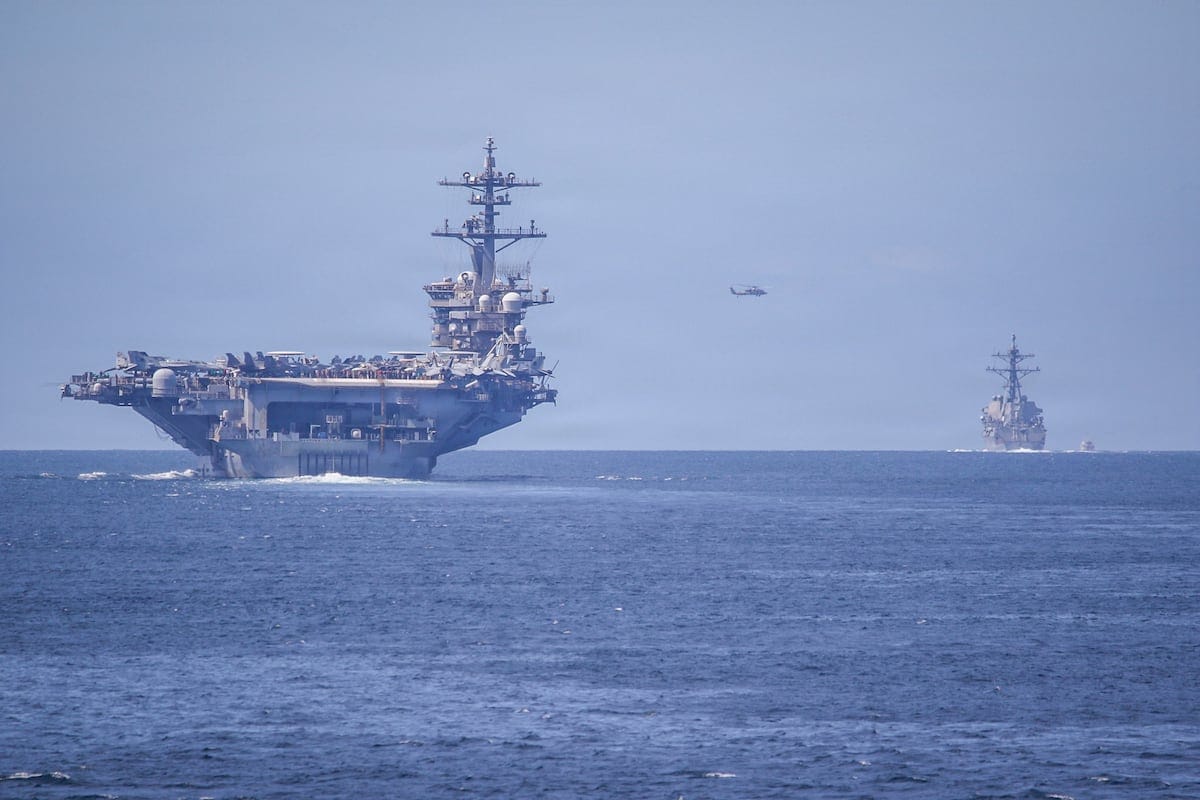
The U.S. military's recent decisions signal a significant shift in its operational focus, particularly regarding the enforcement of a blockade against Iran and the ongoing utilization of Tomahawk missiles. As tensions rise, these developments raise critical questions about the sustainability of U.S. military resources and the broader implications for regional stability.
What Happened
In response to escalating threats from Iran, the U.S. has initiated plans for a blockade aimed at restricting Iranian maritime activities. However, the military has been reticent in providing specific details surrounding the operation, such as the number of naval assets that will be deployed. Experts suggest that this blockade will demand considerable military resources and planning, underscoring its complexity and potential for conflict.
Simultaneously, the U.S. military operations in the region have reportedly involved the launch of at least 850 Tomahawk long-range cruise missiles within the first month of Operation Epic Fury. This extensive use of precision strike capabilities raises concerns about the inventory levels of these critical munitions.
The Strategic Calculus
The enforcement of a blockade presents several strategic considerations for the U.S. military:
- Resource Allocation: The blockade will require a robust naval presence, raising questions about whether the U.S. can sustain such operations alongside ongoing commitments elsewhere.
- Operational Readiness: With the extensive use of Tomahawk missiles in recent operations, there is a pressing need to assess current stocks and production capabilities to avoid potential shortages in future conflicts.
- Escalation Risks: The blockade may provoke Iranian responses that could lead to military skirmishes, further complicating an already volatile situation in the region.
Moreover, experts are analyzing the implications of these military strategies on U.S. alliances and adversarial relationships in the Middle East. The potential fallout from the blockade could either strengthen U.S. partnerships or exacerbate tensions with allied nations that may have economic ties to Iran.
What Comes Next
Looking forward, the U.S. military must navigate a challenging landscape as it ramps up operations against Iran while ensuring its arsenal remains well-stocked. Key considerations include:
- Stockpile Assessments: The Pentagon needs to conduct thorough evaluations of its munitions inventories to prepare for sustained operations.
- International Cooperation: Engaging with allies to establish a united front against Iranian provocations can help mitigate risks associated with the blockade.
- Long-Term Strategy: The U.S. must formulate a coherent strategy that balances military readiness with diplomatic efforts to de-escalate tensions in the region.
The U.S. military's current trajectory demonstrates a commitment to countering Iranian influence, but sustaining this momentum will require careful planning and resource management. As the situation evolves, defense professionals must remain vigilant to developments that could reshape the operational landscape in the Middle East.
Sources: Defensenews and Defensenews