Escalation in the Gulf: U.S. Navy's Engagement with Iranian Forces

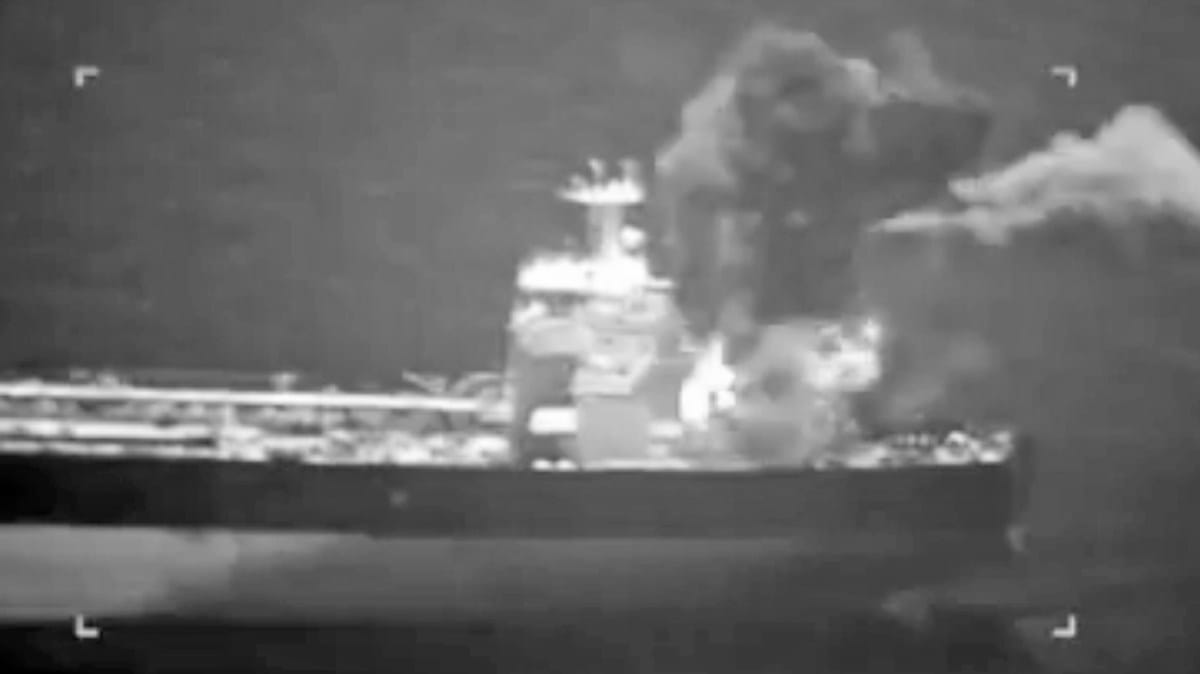
The recent military actions involving the U.S. Navy and Iranian forces signal a significant escalation in tensions in the Gulf region. As Iranian tankers continue to attempt to breach blockades, the U.S. response has been direct and forceful, showcasing the Navy's commitment to maintaining maritime security amidst growing threats.
What Happened
The U.S. Navy employed F/A-18 Super Hornet aircraft to strike Iranian tankers attempting to run blockades. In one instance, bombs were dropped down the smokestacks of these vessels, demonstrating a tactical approach aimed at disabling these ships quickly and efficiently. This attack came shortly after accusations from the UAE that it had been struck by Iran, suggesting a broader pattern of Iranian aggression in the region.
Additionally, the Navy used direct fire from F/A-18 Super Hornets, specifically targeting the rudder of an Iranian ship with a 20mm cannon. This marks a continuation of efforts to disable Iranian vessels that threaten maritime operations in the Gulf.
The Strategic Calculus
The ongoing Iranian attacks on UAE interests complicate the already fragile security landscape. According to reports from the Joint Chiefs Chairman, Iranian forces have attacked U.S. assets 10 times during the current ceasefire, indicating a persistent threat that U.S. and allied forces must navigate. The recent military engagements reveal a strategic choice by the U.S. to directly confront Iranian maritime activities rather than solely relying on diplomatic channels.
- U.S. Navy's use of F/A-18 Super Hornets to target Iranian vessels
- Iran's continued attacks on UAE interests amidst a tenuous ceasefire
- Ten reported attacks by Iran on U.S. forces during ceasefire
These developments raise questions about Iran's longer-term strategic objectives in the region and the implications for U.S. military readiness and regional alliances. Analysts will be focusing on how these confrontations may influence future U.S. military operations and diplomatic efforts in the Gulf.
The Bigger Picture
The escalation of military actions not only underscores the deteriorating security situation in the Gulf but also highlights the complex web of international relations at play. As the U.S. Navy continues to engage Iranian maritime threats, the potential for further conflict remains high. The **impacts of these encounters** could extend beyond immediate military objectives, influencing international trade routes and diplomatic relations in the Middle East.
As the situation unfolds, it will be crucial for defense professionals to monitor these developments closely, understanding that each action taken in this tense environment could have far-reaching consequences for regional stability and U.S. foreign policy.
Sources: Twz, MSN, Just Security, Mid-day, and India News Network