Europe Advances in Hypersonic Interceptor Development

Competing Projects Emerge in Europe’s Hypersonic Defense Initiative
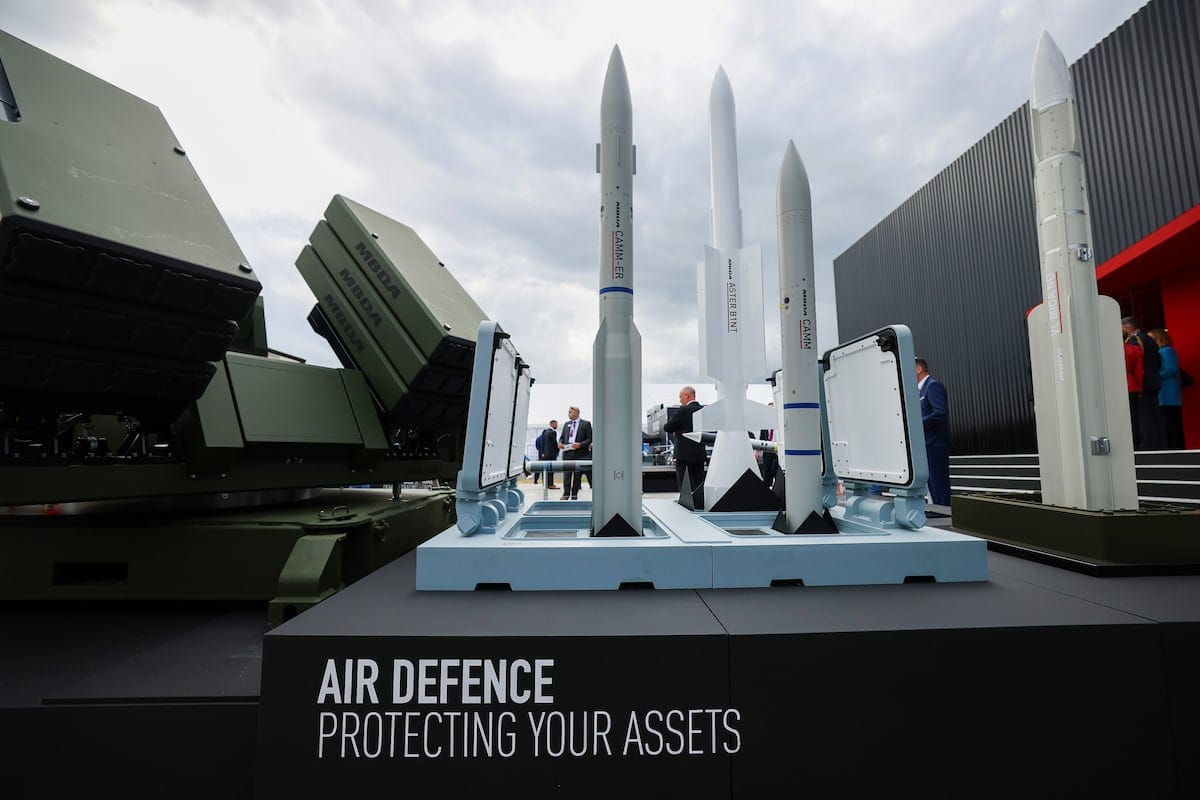
Europe's initiative to develop a hypersonic-defense interceptor is moving forward, with two competing projects now in consideration. This decision marks a significant step in enhancing the continent's capabilities to counter the emerging hypersonic threats that have been increasingly prioritized in global defense strategies.
The urgency for effective hypersonic defense solutions has escalated due to advancements in missile technology by several nations, prompting European nations to unify their efforts. The emphasis on a hypersonic interceptor is informed by the need to protect critical assets and ensure national security. The two projects vying for attention are still in the early stages of development, and the selection process will likely focus on performance, cost, and integration capabilities with existing defense systems.
Strategic Implications of Hypersonic Defense
As the landscape of modern warfare evolves, hypersonic weapons pose a unique challenge due to their speed and maneuverability, rendering traditional missile defense systems less effective. The decision to advance these interceptor projects highlights Europe’s recognition of these challenges and its commitment to enhancing collective defense measures. Cooperation among European nations may foster a more robust defense posture against potential aggressors, particularly in the context of heightened tensions with nations possessing advanced missile technologies.
The implications of this development are significant. Analysts will be watching closely as progress unfolds, particularly in how these projects align with NATO’s broader defense strategy and the potential for collaboration with US defense initiatives. The successful deployment of a hypersonic interceptor could not only bolster European security but also reshape the transatlantic defense relationship, enhancing interoperability and joint capabilities against a common threat.
Sources: Defensenews, Reuters, TVP World, The New Voice of Ukraine, and GOV.UK