European Nations Unite with Ukraine for Anti-Ballistic Missile Coalition

Formation of a New Coalition
On Monday, a coalition of nine European nations—Denmark, France, Germany, Italy, Norway, Spain, Sweden, the United Kingdom, and the Netherlands—announced their partnership with Ukraine to develop anti-ballistic missile capabilities. This initiative was formalized in a statement issued by the Élysée Palace, marking a significant step in European defense collaboration in the face of increasing security threats.
Strategic Context and Implications
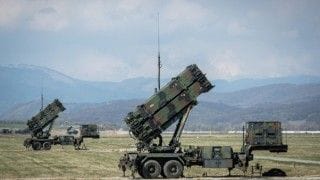
The coalition aims to enhance regional security by addressing the growing concerns regarding ballistic missile threats. By pooling resources and expertise, these nations intend to establish a more robust defense posture that can better protect their airspace and critical infrastructure. The collaboration not only signifies a commitment to collective defense but also underscores a shift towards more integrated European military capabilities in response to evolving geopolitical dynamics.
This development raises questions about the future of European defense initiatives, particularly in relation to NATO and existing bilateral agreements. Analysts will be watching how this coalition might influence defense spending and military cooperation among the member nations, as well as its potential impact on relations with other global powers.
Why it Matters: The formation of this anti-ballistic missile coalition is a clear indication of Europe’s proactive stance in addressing security challenges. With tensions in Eastern Europe and the persistent threat of missile attacks, this coalition could serve as a model for future partnerships aimed at enhancing collective security. The implications for transatlantic relations and the broader defense landscape in Europe could be profound, as nations seek to navigate the complexities of modern warfare and deterrence strategies.
Sources: Defence24, dw.com, The Kyiv Independent, Al Jazeera, and politicstoday.org