Evaluating Armored Solutions: Philippines and the UK Innovate in Modern Warfare

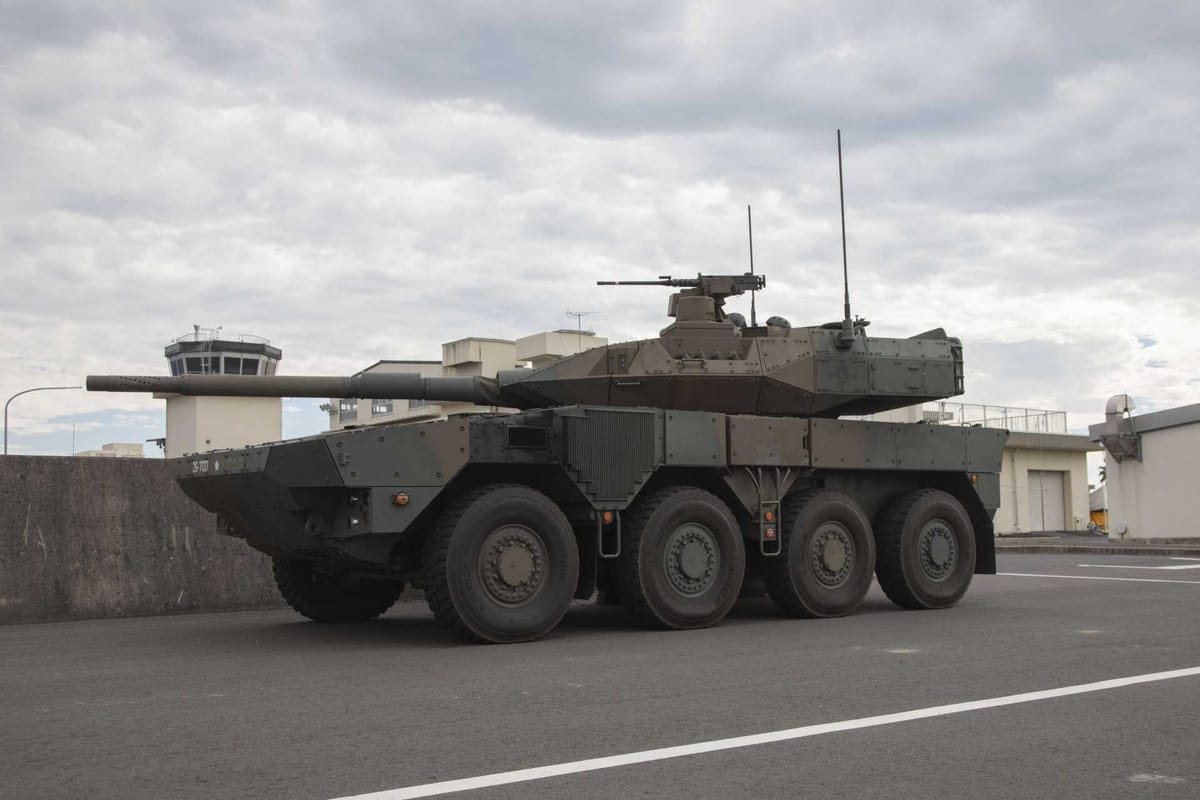
The evolving landscape of armored warfare has prompted nations to reassess their military capabilities and equipment. The Philippine Army's evaluation of Japan's Type 16 Maneuver Combat Vehicle (MCV) alongside Britain's upgraded Challenger 3 main battle tank reflects a strategic pivot towards more adaptable and versatile armored solutions.
What happened
The Philippine Army is currently assessing Japan's Type 16 MCV as a potential lightweight alternative to traditional heavy main battle tanks. This evaluation is occurring during the Balikatan 2026 exercises and comes in the wake of delays in the delivery of the Sabrah tanks. The Type 16, equipped with a 105mm cannon, presents a wheeled armored solution tailored to the Philippine military's operational needs.
On another front, the UK's Challenger 3 has undergone significant upgrades, enhancing its firepower and protection capabilities. This modernization aims to ensure that the Challenger 3 remains relevant in contemporary armored warfare, adapting to the demands of modern combat environments.
The strategic calculus
The push for lighter, more mobile armored vehicles like the Type 16 MCV and the advanced Challenger 3 highlights a broader trend in military strategy. Key factors influencing this shift include:
- Mobility: Lightweight vehicles can navigate diverse terrains more effectively and respond to threats with greater agility.
- Cost-effectiveness: As budgets tighten, nations are looking for armored solutions that offer maximum utility without the financial burden of heavier tanks.
- Technological advancements: Enhanced weaponry and protection systems in vehicles like the Challenger 3 allow for superior performance in combat.
This recalibration in armored vehicle preferences raises critical questions about the future of tank warfare and the role of traditional heavy tanks versus more versatile options.
What comes next
As the Philippine Army continues its evaluation of the Type 16 MCV, analysts will be watching for developments regarding the integration of this vehicle into their operational framework. The decision could set a precedent for other nations considering similar strategic shifts.
Meanwhile, with the Challenger 3's upgrades, the UK is positioning itself to maintain a competitive edge in armored warfare. The implications of these advancements extend beyond national defense, potentially influencing international defense partnerships and collaborations.
In summary, both the Philippines' and the UK's approaches to armored vehicles reflect a significant rethinking of military strategy, emphasizing adaptability and modernization in the face of evolving threats.
Sources: Armyrecognition and Thedefensepost