Evaluating the Future of U.S. Military Presence in Europe

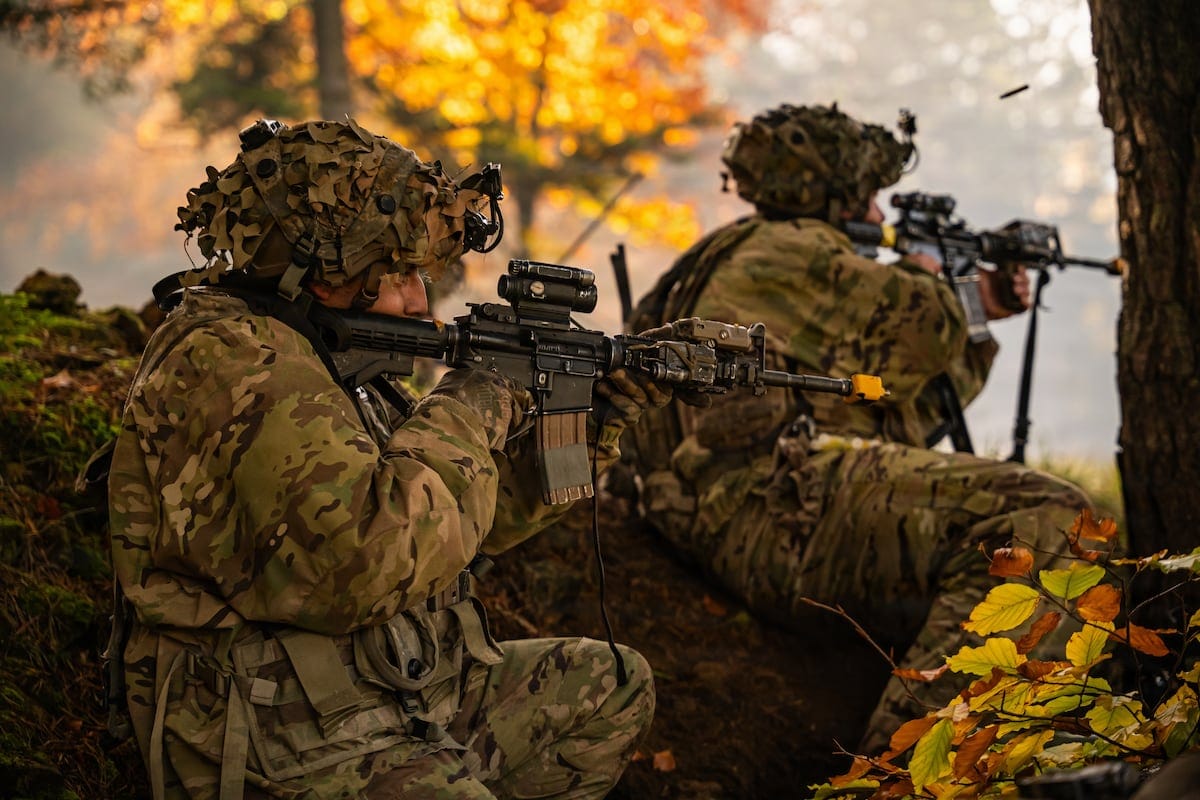
As discussions emerge regarding the potential reduction of U.S. military forces in Europe, the implications are significant for both strategic posture and international relations. President Trump has indicated a reconsideration of troop deployments, specifically highlighting the presence in Germany, Italy, and Spain.
Current U.S. Military Footprint
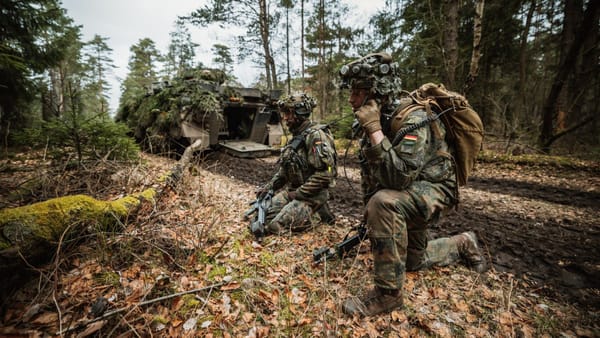
Germany hosts the largest concentration of U.S. military personnel in Europe, with approximately 35,000 active-duty military personnel stationed there. This base serves as a critical training hub for U.S. forces, enabling enhanced readiness and operational capabilities across the continent.
- Key role in NATO defense initiatives
- Facilitates training exercises with allied forces
- Supports logistical operations for deployments
Shifting Perspectives on Troop Deployments
President Trump has recently expressed that Washington is contemplating a reduction in the number of troops stationed in Germany. His comments suggest a broader reassessment of U.S. military commitments in Europe, with potential implications for troop levels in Italy and Spain as well. When asked about the likelihood of pulling troops out of these countries, Trump stated that it was "probably" on the table.
This raises the question of how such troop reductions might impact U.S. strategic interests in the region. The military presence in these countries not only provides security assurances to NATO allies but also serves as a deterrent against potential adversaries.
The Strategic Calculus
The potential reduction of U.S. military personnel in Europe could reflect a broader shift in defense strategy, prioritizing local alliances and cost efficiencies. Some U.S. troops have cited the benefits of their current deployments in Germany, emphasizing:
- Increased operational readiness through joint exercises
- Enhanced strategic partnerships with European allies
- Improved intelligence sharing and resource allocation
However, any changes to troop levels will likely be scrutinized by defense analysts and military strategists who are concerned about the long-term ramifications for U.S. influence in Europe.
As discussions continue, the implications of these potential changes will be closely monitored, particularly how they align with U.S. commitments to NATO and the collective defense of Europe.
Sources: Defensenews, The Guardian, Stars and Stripes, AP News, and Politico