Evaluating the Rafale’s SPECTRA Electronic Warfare Suite Following Recent Indo-Pakistani Clashes

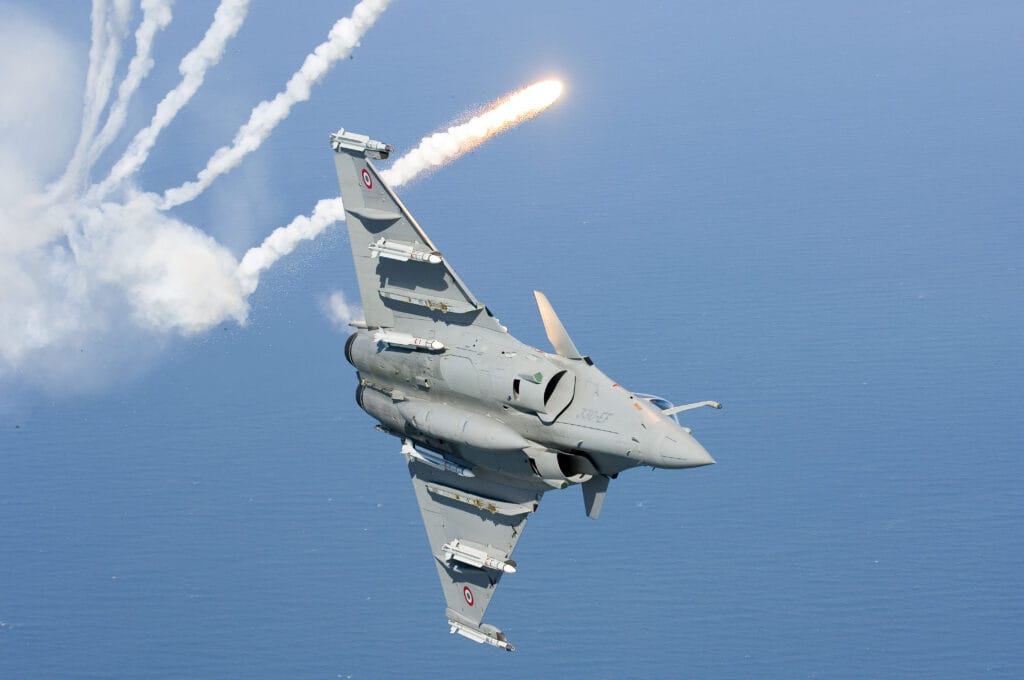
Reevaluating the Rafale’s SPECTRA System: Implications for Future Combat Readiness
Recent military engagements between India and Pakistan have triggered scrutiny of the Rafale fighter jet’s advanced SPECTRA electronic warfare system. French parliamentarian Marc Chavent has publicly raised concerns regarding the system’s efficacy following reports of its inadequate performance in detecting and counteracting a PL-15E air-to-air missile launched by a Pakistani J-10C fighter jet. This situation poses critical questions about France’s defense technology and strategic adaptability in modern warfare.
The Context of Engagement
In May, the aerial confrontation reportedly led to the downing of an Indian Air Force Rafale aircraft, sparking debate over SPECTRA’s capabilities. Chavent, in a written inquiry to France’s Ministry for Europe and Foreign Affairs, referenced intelligence assessments from American analysts and NATO allies indicating that SPECTRA failed to identify or jam the incoming missile, which operates using low-probability of intercept radar technology.
- Key Findings:
- SPECTRA’s Limitations: The system did not detect or disrupt the missile, which raises significant concerns about combat readiness.
- Kentucky Breakdown: The engagement has prompted questions about the system’s ability to counter sophisticated enemy threats, particularly those utilizing contemporary radar technologies.
Operational Impact and Responses
Indian defense officials have confirmed the loss of multiple aircraft during the prolonged 87-hour conflict but abstained from specifying whether any Rafales were among them. India’s Chief of Defence Staff, Anil Chauhan, has refuted Pakistan’s claims of having downed six Indian jets, asserting the need for a thorough evaluation of the situation to ensure strategic clarity.
The implications of this incident may extend beyond immediate tactical assessments, potentially affecting India’s procurement strategies and defense collaborations with allies, including France.
Future Developments: The Rafale F5 Variant
In response to these concerns, Chavent has questioned the enhancements planned for the upcoming Rafale F5 variant. He seeks clarification on whether the new iteration will feature an improved SPECTRA suite capable of countering advanced threats presented by active electronically scanned array (AESA) radars and contemporary guided munitions.
- Anticipated Features of the Rafale F5:
- Enhanced Electronic Warfare Capabilities: Upgraded systems to tackle sophisticated threats.
- Integration of Advanced Technologies: New functionalities designed for crewed and uncrewed teaming, alongside next-generation armaments.
- Long-Term Viability: Expected to remain effective until at least 2060, with conformal fuel tanks and radar cross-section reduction technologies being integrated.
Tactical Considerations in Electronic Warfare
Beyond standard upgrades, Chavent has urged the exploration of a specialized electronic warfare variant of the Rafale, akin to the U.S. Navy’s EA-18G Growler. This adaptation would focus on missions aimed at Suppression of Enemy Air Defenses (SEAD) and Destruction of Enemy Air Defenses (DEAD), crucial in contemporary conflict theaters.
- Strategic Need: The urgency for such a variant grows as fifth-generation platforms like the Chinese J-20 and expected future developments like the FC-31 become increasingly integrated into the Indo-Pacific operational landscape, enhancing stealth and electronic warfare capabilities.
Understanding SPECTRA’s Role
SPECTRA, a collaborative development by Thales and MBDA, comprises a sophisticated defensive suite designed to detect, identify, and localize various threats, including infrared, electromagnetic, and laser-based systems.
- Core Components of SPECTRA:
- Long-Range Threat Detection: Effective tracking of multiple threat types.
- Defensive Mechanisms: Radar warning receivers, missile and laser warning systems, phased-array jammers, and decoy systems.
- Data Management Unit: Ensures effective data fusion and decision-making for threat response.
With evolving threats in the domain of air combat, a reevaluation of both Rafale’s SPECTRA system and broader electronic warfare strategies is imperative. As nations refine their defense postures to meet the realities of modern warfare, the lessons learned from these engagements will shape future technological advancements and military strategy.