EvoLogics Unveils Sonobot 5 Autonomous Surface Vessel for Waterway Mapping

Innovative Waterway Mapping Technology
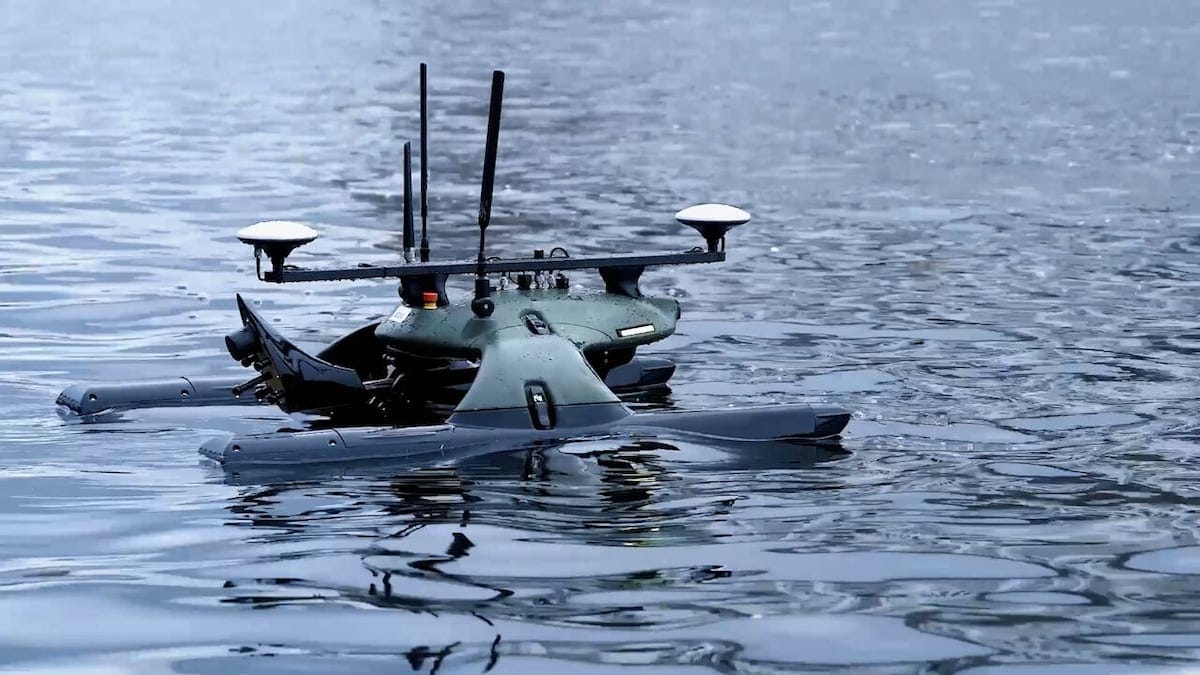
In a move to enhance both defense and civilian operations, EvoLogics has introduced the Sonobot 5, a lightweight autonomous surface vessel designed for efficient mapping and searching of waterways. This unveiling took place during a recent defense technology exhibition, showcasing EvoLogics' commitment to advancing maritime capabilities.
The Sonobot 5 is engineered to operate with minimal human intervention, enabling users to gather data in diverse aquatic environments. Its lightweight design not only facilitates ease of deployment but also enhances maneuverability in challenging conditions. The vessel is equipped with advanced sensors and navigation systems, allowing it to perform tasks such as environmental monitoring, search and rescue missions, and infrastructure inspection.
Strategic Implications for Defense and Civilian Sectors
This development holds significant implications for both military and civilian applications. By providing a reliable and autonomous means of data collection, the Sonobot 5 could reduce operational risks and costs associated with traditional waterway mapping methods. As various organizations seek to improve their situational awareness and operational efficiency, the demand for such innovative solutions is likely to increase.
Analysts will be watching how the adoption of the Sonobot 5 might influence current maritime strategies, especially in regions where waterway navigation poses challenges. Furthermore, the vessel's capabilities could enhance collaboration between defense agencies and civilian organizations, fostering a more integrated approach to maritime safety and environmental stewardship.
This innovation underscores the growing trend towards automation in defense technologies, prompting a reevaluation of traditional operational paradigms. As the market for autonomous vessels expands, stakeholders will need to consider the regulatory, operational, and ethical implications of deploying such technologies in both military and civilian contexts.
Sources: Defensenews, Air Force Times, hydro-international.com, and GIM International