Evolving Airborne Capabilities Amidst Operational Challenges

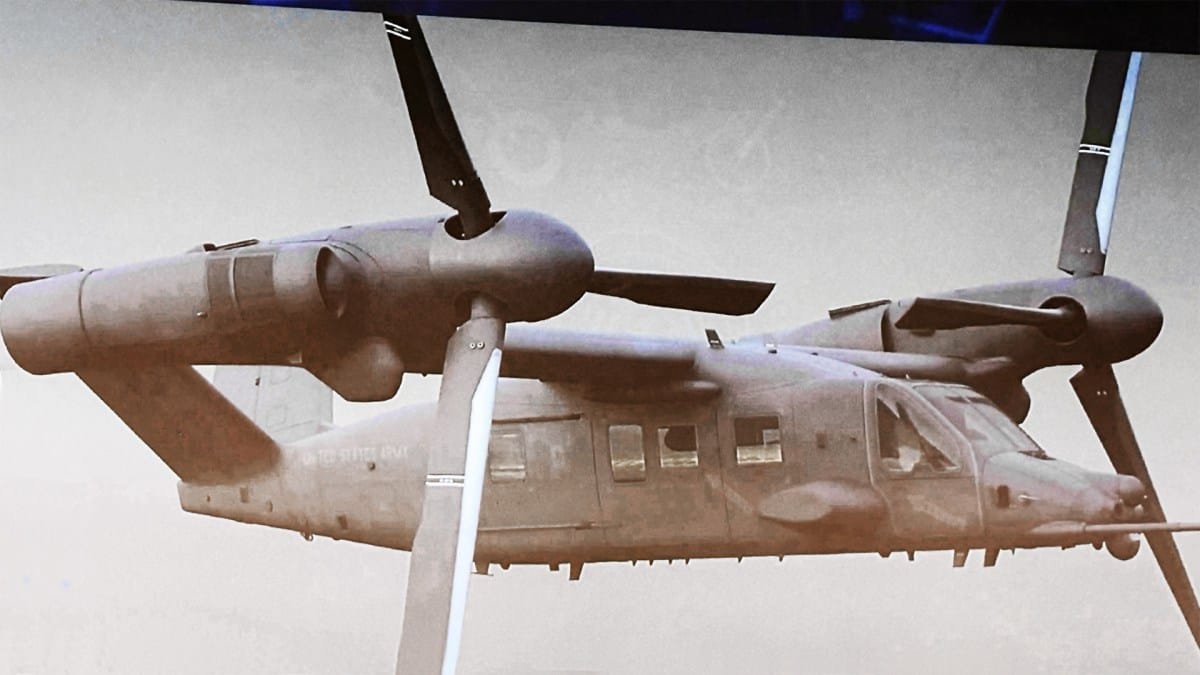
The recent developments regarding the MV-75 Cheyenne and the operational setbacks experienced by the AH-6 Little Bird helicopters highlight a critical juncture for U.S. special operations aviation. As the military continues to adapt to emerging threats, the focus on enhancing aircraft capabilities becomes paramount.
What Happened
A new rendering of the MV-75 Cheyenne has emerged, showcasing its design tailored for special operations. This model integrates advanced features such as:
- Enhanced radar and sensor systems
- In-flight refueling capabilities
- Specialized configurations for reconnaissance and assault missions
Conversely, recent imagery from an austere airfield in Iran reveals that at least one AH/MH-6 Little Bird, a staple of U.S. special operations, was destroyed. This incident occurred at a forward operating base that played a critical role in a rescue mission for a U.S. Air Force F-15E Weapons Systems Officer (WSO). The loss of these helicopters underscores the risks associated with operating in high-threat environments.
The Strategic Calculus
The contrasting news of the MV-75 Cheyenne's promising features and the loss of the AH-6 Little Bird raises significant questions about the future direction of U.S. military aviation strategy. The MV-75's capabilities are designed to enhance operational flexibility and survivability in contested environments, which is increasingly vital given the rising sophistication of adversary air defenses.
Key considerations include:
- Operational Readiness: The destruction of the Little Bird raises concerns about the current fleet's vulnerability and the need for more resilient platforms.
- Technological Advancements: The MV-75's advanced features reflect an ongoing commitment to modernizing the fleet in response to changing warfare dynamics.
- Resource Allocation: Decision-makers will need to balance investments in next-generation aircraft with the operational readiness of existing platforms.
What Comes Next
Looking ahead, the U.S. military must navigate the complexities of integrating new technologies while addressing operational challenges in the field. The introduction of the MV-75 Cheyenne signifies a shift towards more capable aircraft that can operate effectively in high-risk scenarios. However, lessons learned from the recent loss of the Little Bird should inform future operational planning.
To capitalize on these insights, the following steps should be prioritized:
- Enhancing training programs to improve pilot proficiency in high-threat environments.
- Investing in countermeasures and tactical adaptations to protect vulnerable assets.
- Conducting thorough assessments of existing operational frameworks to identify gaps in capabilities.
Ultimately, the evolution of airborne capabilities such as the MV-75 Cheyenne represents a forward-looking approach to special operations aviation. As the landscape of warfare continues to shift, maintaining agility and readiness will be essential for mission success.
Sources: Twz and The War Zone