Evolving Threats and Responses: Analyzing Ballistic Missile Developments in the Middle East and Latin America

The landscape of ballistic missile defense is evolving rapidly, driven by innovative tactics and new programs across the globe. Iran's recent advancements in missile technology pose a direct challenge to Israeli defenses, while Brazil seeks to bolster its own long-range strike capability through a new missile program. These developments highlight the shifting dynamics in regional and global security, necessitating a comprehensive analysis of current trends and future implications.
What Happened
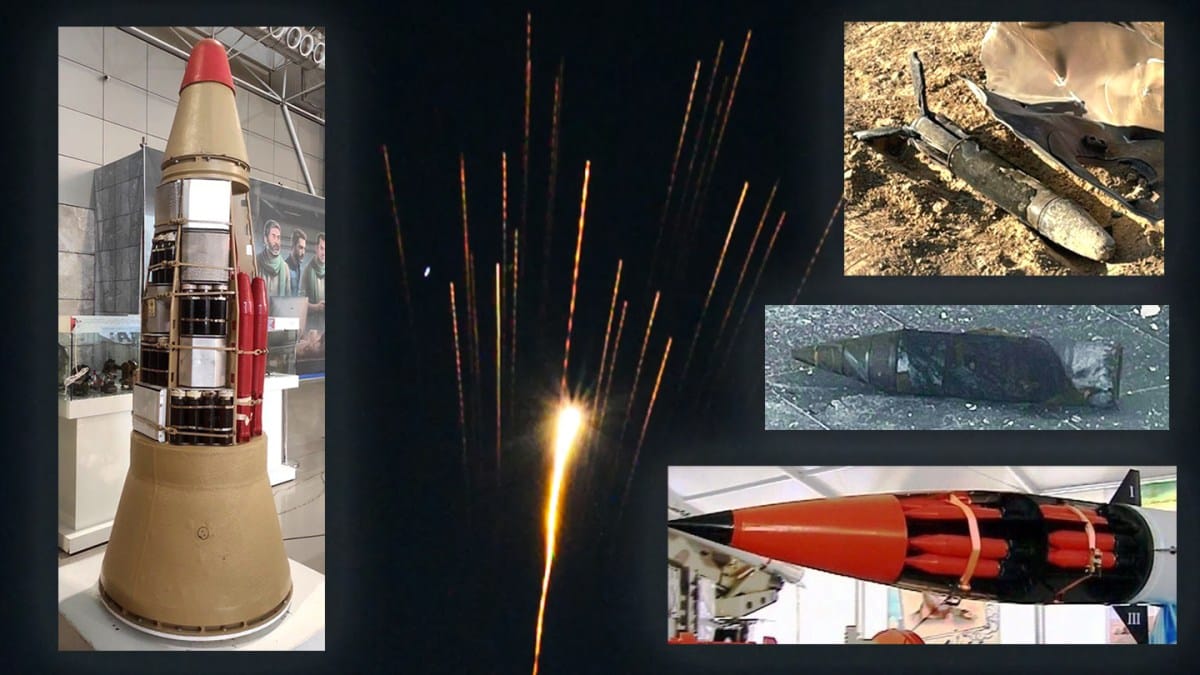
Iran has reportedly refined its ballistic missile strategy by employing high-altitude cluster warhead releases, allowing its missiles to bypass Israel's terminal defense systems effectively. This tactic leverages submunitions deployed at altitudes that current intercept technologies struggle to counter. Reports indicate that this method not only enhances the lethality of Iranian missile strikes but also sets a dangerous precedent that other nations may emulate.
In a separate development, Brazil has launched its S+100 ballistic missile program, aimed at enhancing the strike capability of its ASTROS II Multiple Launch Rocket System (MLRS). This initiative comes amid a restructuring of Avibras, the company responsible for the ASTROS system, and signifies Brazil's commitment to maintaining a robust long-range strike posture.
The Strategic Calculus
Israel is responding proactively to Iran's evolving threats by accelerating the production of its Arrow interceptor system. The Israeli military is increasing its interceptor reserves to meet the growing wartime demands posed by advancements in Iranian missile technology. This race against time illustrates the pressing need for nations to adapt their defense strategies in the face of novel threats.
- Iran's Tactical Advantage: Utilizing high-altitude releases to penetrate Israeli defenses.
- Brazil's Strategic Shift: Investment in missile technology to enhance regional security capabilities.
- Israel's Response: Increased Arrow interceptor production to counteract heightened missile threats.
Despite these advancements, some analysts suggest that Iran's other weapons of mass destruction (WMD) programs are currently deprioritized due to strikes by the US and Israel. This reflects a broader trend where tactical focus shifts based on immediate security concerns, indicating a complex interplay of military priorities.
What Comes Next
The implications of these developments are profound. For Israel, the need to enhance its missile defense capabilities is urgent, especially with the potential for adversaries to adopt similar high-altitude cluster tactics. Meanwhile, Brazil's missile program may alter the strategic balance in South America, inviting scrutiny from neighboring countries and potentially prompting an arms race.
Defense professionals must remain vigilant regarding these trends:
- Monitor Iran's technological advancements and potential exports of missile technology to proxy groups.
- Evaluate Brazil's missile program and its impact on regional security dynamics.
- Assess the effectiveness of Israel's Arrow system and potential upgrades needed to counter new tactics.
In summary, as nations adapt their military strategies to emerging missile threats, the need for robust defense systems and international cooperation will become increasingly critical. The evolving capabilities of both Iran and Brazil underscore the importance of staying ahead in the arms race and ensuring strategic stability in their respective regions.
Sources: Twz, Armyrecognition, Armyrecognition, and Defensenews