Evolving Threats in Maritime Defense: China's SLBM Launch and U.S. Navy Concerns

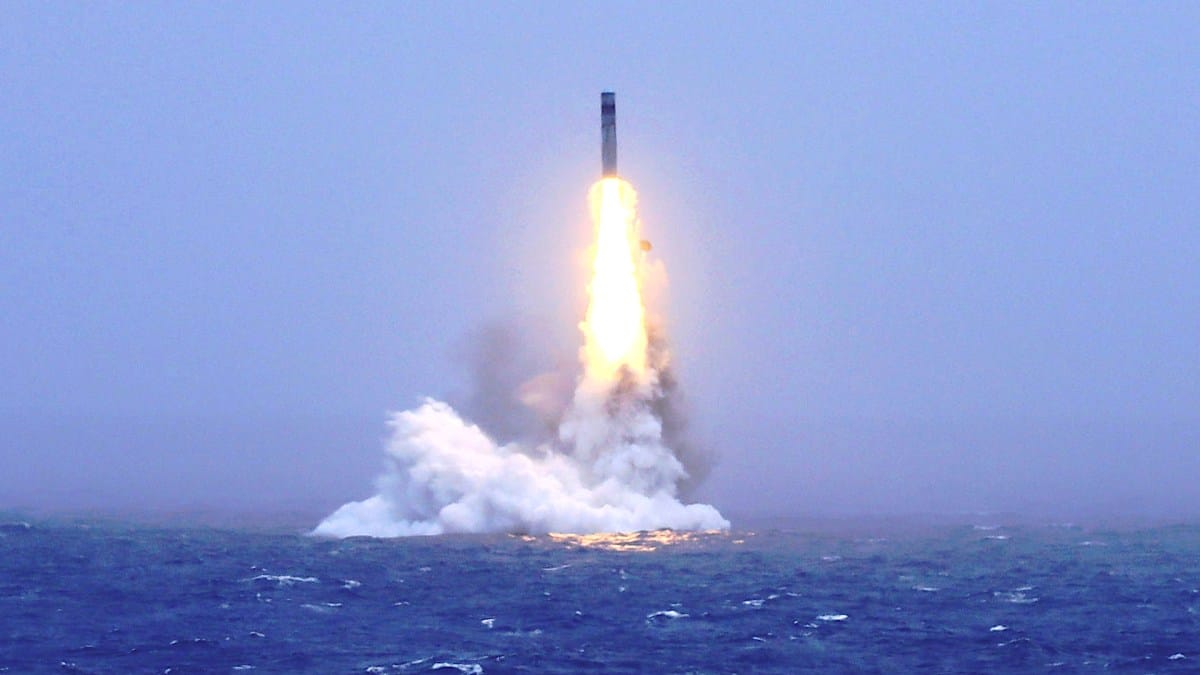
Recent military activities in the Pacific highlight a significant shift in the strategic landscape. China's recent submarine-launched ballistic missile (SLBM) test, coupled with joint naval exercises with Russia, underscores the need for heightened vigilance from U.S. defense forces.
What Happened
China conducted an SLBM launch in the Pacific, a move that is considered extremely rare and sends clear signals regarding Beijing's advancing military capabilities. This test not only showcases China's growing strategic arsenal but also raises alarms about the implications for regional security dynamics.
In conjunction with these developments, China and Russia initiated their annual joint naval exercises off the Chinese coast. This collaboration further emphasizes the strengthening military ties between the two nations and the potential for coordinated operations that could challenge U.S. interests in the region.
The Strategic Calculus
The U.S. Navy is responding to these emerging threats by reassessing its defense strategies for ballistic missile submarines. There is a growing concern that these submarines, crucial to the U.S. nuclear deterrent, may be vulnerable to modern threats such as drones and anti-tank rockets. The Navy's focus is shifting towards:
- Enhancing protective measures for missile submarines.
- Securing shore installations that support submarine operations.
- Developing countermeasures against evolving threats posed by adversaries.
These changes reflect a proactive approach to ensure the U.S. Navy maintains its strategic edge in a rapidly evolving threat environment.
Key Players and Implications
The stakes are high as military capabilities continue to evolve. Key players in this scenario include:
- China: Actively expanding its military capabilities and conducting tests that demonstrate its strategic ambitions.
- Russia: Engaging in joint exercises with China, which could signify deeper military collaboration.
- U.S. Navy: Seeking to bolster defenses and adapt strategies in response to new vulnerabilities.
The implications of these developments suggest a potential shift in the balance of power in the Pacific. Analysts will be closely monitoring how the U.S. Navy adapts to these challenges, particularly in enhancing its defensive postures.
In light of these factors, it is evident that both geopolitical tensions and technological advancements are shaping the future of maritime defense. The focus will need to remain on strategic preparedness and adaptability as the U.S. navigates this complex landscape.
Sources: Twz, Defensenews, Thedefensepost, USNI News, RealClearDefense, and Naval Technology