Exail Demonstrates Integration Capabilities of DriX USV During Sea Trials

Successful Integration of Third-Party Sensors
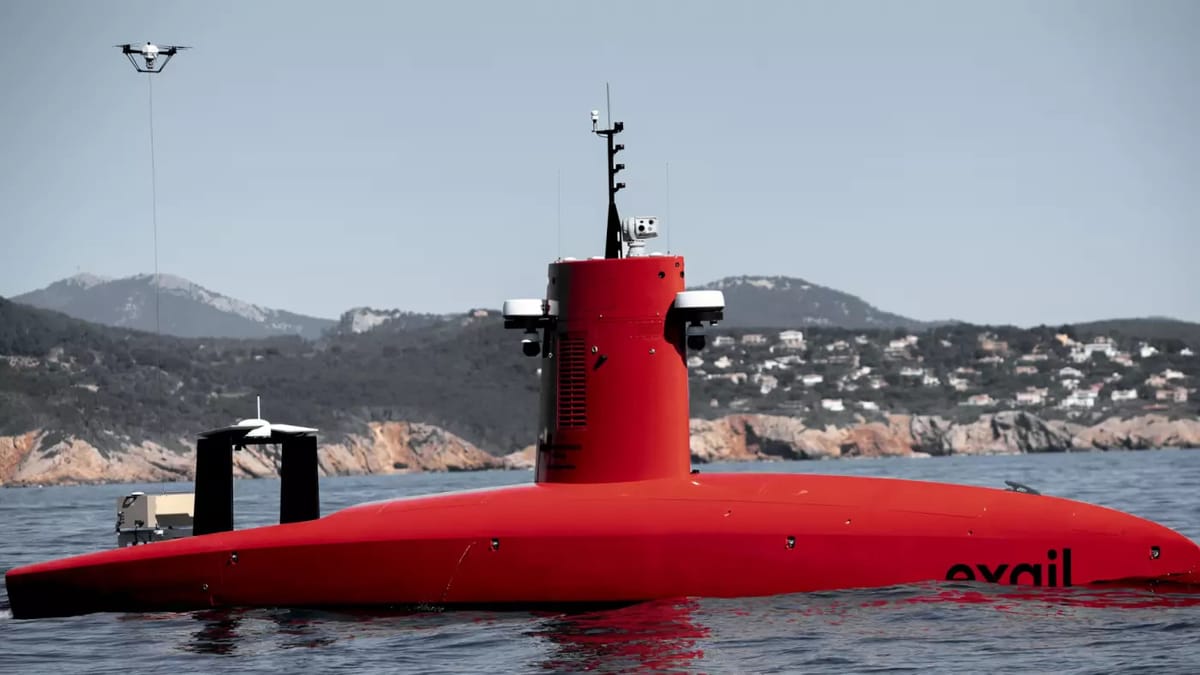
Exail has successfully completed sea trials for its DriX O-16 unmanned surface vessel (USV), demonstrating the ability to integrate third-party sensors. This development took place during rigorous testing, highlighting the vessel's adaptability and operational versatility. The trials validate the DriX's role as a flexible platform for various maritime applications, potentially enhancing naval capabilities.
The successful integration of additional payloads signifies a strategic advantage in maritime operations, particularly in intelligence, surveillance, and reconnaissance (ISR) missions. Unmanned vessels like the DriX can now be equipped with a range of sensors tailored to specific mission needs, allowing for more comprehensive data collection and situational awareness. As militaries increasingly adopt unmanned systems, such advancements are crucial for maintaining operational efficacy in contested environments.
Strategic Implications and Future Potential
This innovation raises questions regarding the future of unmanned maritime systems and their potential roles in defense strategies. As navies explore cost-effective solutions to enhance their operational capabilities, the DriX's adaptability could lead to broader implementation across various fleets. The implications of this trial extend beyond the individual vessel, suggesting a shift towards more integrated and flexible maritime operations.
Ultimately, the ability to incorporate diverse sensor technologies on the DriX USV positions it as a significant asset for future naval engagements. The adaptability in payload integration not only enhances current capabilities but also sets the stage for evolving mission requirements in maritime defense strategies. As nations prioritize modernization of their fleets, developments like these are likely to drive competition and innovation in the unmanned vessel sector.
Sources: Thedefensepost, The Defense Post, Unmanned Systems Technology, Ocean News & Technology, and Inspenet