Exail’s DriX H-9 Chosen for Advanced Counter-UAS Research

Exail's Innovative Solution for Counter-UAS Challenges
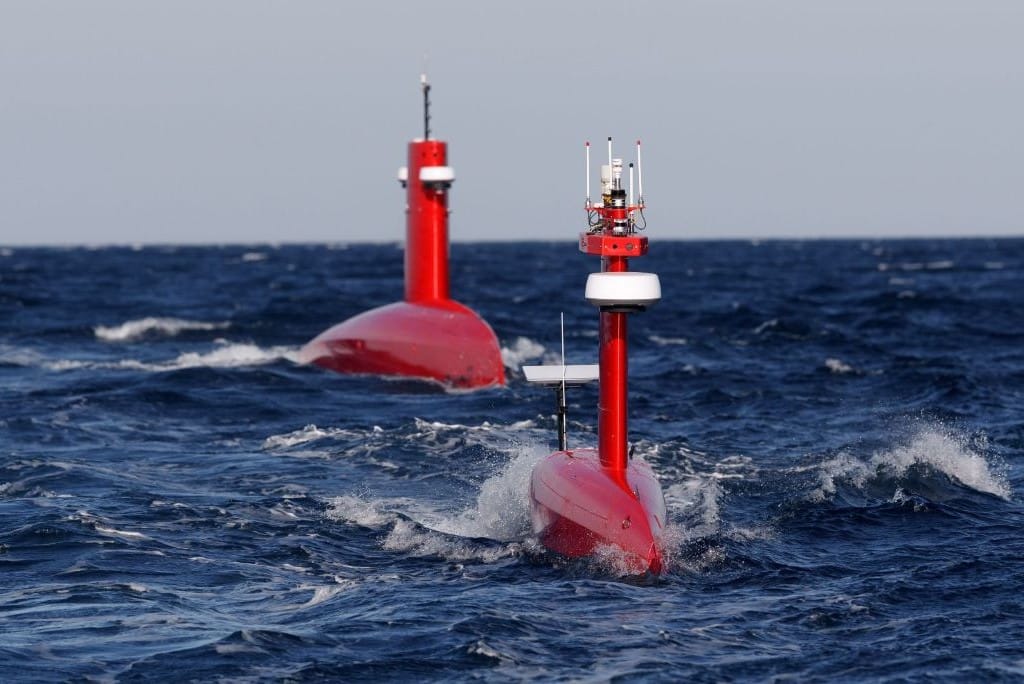
On April 16, 2026, Exail, a prominent player in advanced drone technology, announced that its long-range DriX H-9 has been selected for research aimed at countering Unmanned Aerial Systems (UAS). This contract, awarded by a leading defense organization based in Lincoln, RI, underscores the growing urgency of addressing UAS threats in modern conflict scenarios.
The DriX H-9 is designed to provide enhanced capabilities for monitoring and mitigating aerial threats, particularly in environments where traditional systems may fall short. As the proliferation of drones continues to pose risks to military and civilian operations alike, the need for effective counter-UAS solutions has never been more critical. Exail's selection highlights a recognition within the defense community of the DriX H-9's potential in addressing these challenges through advanced surveillance and interception techniques.
Context and Strategic Implications
The rise of UAS technology has transformed the battlefield and civilian airspace, facilitating both legitimate uses and malicious activities. This contract reflects a strategic pivot towards proactive measures against aerial threats, emphasizing not only detection but also response capabilities. Exail's DriX H-9 is equipped with sophisticated sensors and data processing that can enhance situational awareness, allowing operators to make informed decisions in real-time.
Moreover, this development is indicative of broader trends in defense procurement, where agility and technological innovation are paramount. As militaries increasingly integrate advanced drones into their operations, they must also ensure that robust countermeasures are in place. Exail’s commitment to addressing these challenges demonstrates an alignment with contemporary defense priorities and the necessity of adapting to an evolving threat landscape.
Why it matters: The selection of the DriX H-9 for counter-UAS research signals a pivotal moment in the defense sector, where the ability to effectively neutralize aerial threats is becoming a top priority. As adversaries continue to exploit UAS technology, investments in systems like the DriX H-9 could shape the future of aerial warfare. The implications extend beyond military applications, as effective counter-UAS measures will also safeguard civilian infrastructure and air traffic, ensuring a more secure airspace for all.
Sources: Edrmagazine, marketscreener.com, The Defense Post, Interesting Engineering, and Unmanned Systems Technology