Expanding Air Defense Capabilities in Europe and the Indo-Pacific

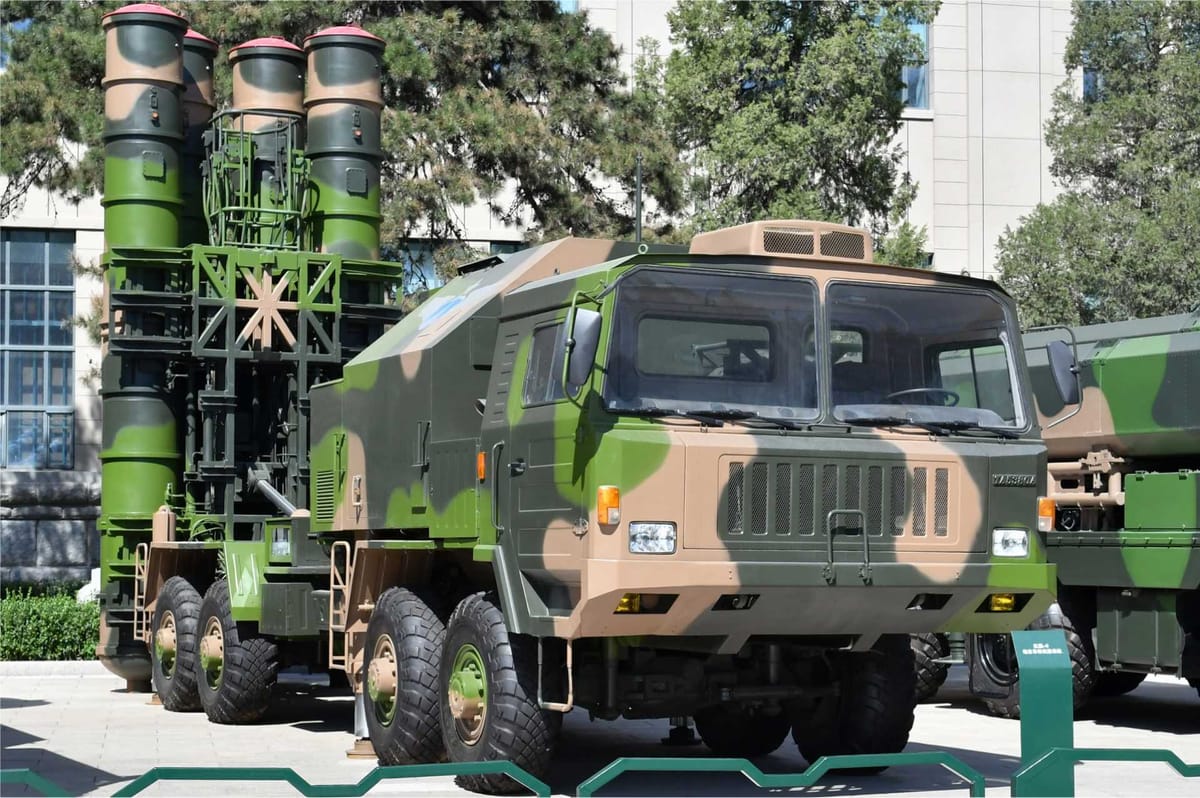
Recent developments in air defense systems among European and Indo-Pacific nations highlight a significant shift in regional security dynamics. Serbia’s acquisition of China's HQ-9 air defense missile system and Romania's investments in Israeli Rafael SPYDER systems underscore a trend towards enhancing military capabilities amidst heightened geopolitical tensions.
What happened
Serbia has confirmed it is acquiring the HQ-9 long-range air defense missile system from China, marking its position as the first European operator of this technology. This acquisition aims to bolster Serbia's defense capabilities and enhance regional security.
In a parallel move, Romania has taken steps to strengthen its air defenses in the Black Sea region. The nation signed a contract worth €2 billion for the Rafael SPYDER air defense system, which is designed to provide short-range and very short-range air defense (SHORAD/VSHORAD) support. Additionally, Romania has ordered 24 German Skyranger 35 air defense systems mounted on Lynx KF41 vehicles to specifically counter drone threats on NATO's eastern flank.
The strategic calculus
The developments in air defense systems reveal the strategic calculations of these nations in response to evolving threats:
- Serbia's HQ-9 Acquisition: By adopting the HQ-9, Serbia aims to modernize its military capabilities amid growing concerns over regional stability.
- Romania's Defense Investment: The contract with Rafael represents a significant investment in NATO's capacity to defend the Black Sea region against aerial threats, including drones.
- Indo-Pacific Considerations: In the Indo-Pacific, Japan has introduced the Type 25 Hyper Velocity Gliding Projectile boost-glide missile to enhance its long-range precision strike capabilities, aligning with broader regional security strategies.
The bigger picture
The implications of these acquisitions extend beyond immediate military enhancements. They reflect a broader trend of nations seeking advanced air defense solutions to counteract perceived threats. For example, Romania's SPYDER contract, noted as the largest in Rafael's history at $2.3 billion, indicates a shift in defense spending priorities within NATO member states.
As these countries invest in sophisticated technologies:
- Analysts will be watching how these developments impact NATO's strategic posture in Eastern Europe and the Black Sea.
- The introduction of the HQ-9 system in Serbia could alter the balance of power in the Balkans, prompting neighboring countries to reassess their defense strategies.
- Japan's advancements in missile technology may influence regional security dynamics in the Indo-Pacific, particularly regarding China's military expansion.
Overall, the integration of advanced air defense systems across Europe and the Indo-Pacific signals an urgent response to contemporary security threats and a commitment to strengthening national and regional defense capabilities.
Sources: Armyrecognition and Defensenews