Expanding Defense Production: Germany and the U.S. Collaborate on Missile Manufacturing

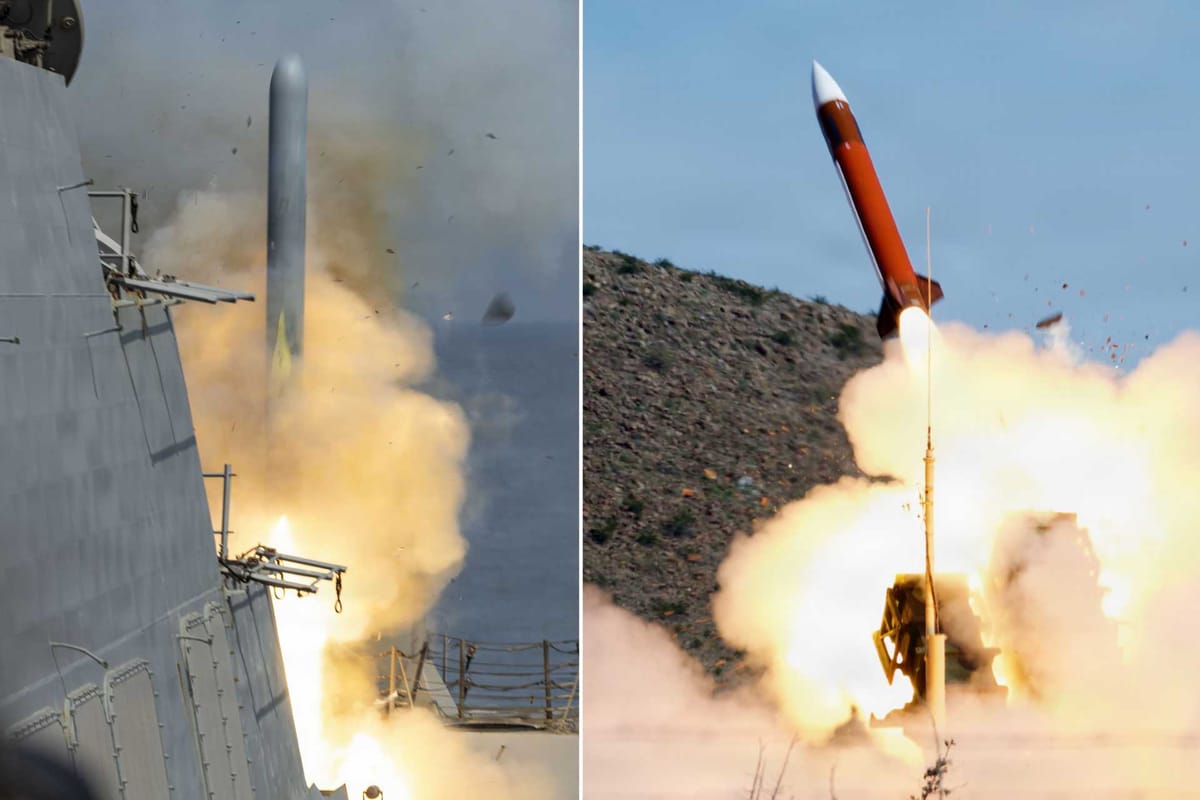
Recent developments indicate a significant shift in defense production dynamics within NATO, as Germany seeks U.S. approval to produce Tomahawk cruise missiles and Patriot PAC-3 MSE interceptors under license. This move reflects a strategic effort to diversify NATO's missile industrial base and address ongoing supply-chain bottlenecks.
What happened
Germany is currently in negotiations with Washington to secure licensing for the production of key defense systems, specifically:
- Tomahawk cruise missiles
- Patriot PAC-3 MSE interceptors
This initiative aims to expand localized manufacturing capacity and accelerate regional procurement timelines, thereby enhancing NATO's overall defense readiness.
The strategic calculus
Concurrently, the U.S. Government is engaging with major automotive manufacturers Ford and GM to explore the feasibility of using their production capabilities for missile manufacturing. This strategy is focused on:
- Enhancing domestic defense production capacity
- Leveraging existing industrial infrastructure
- Speeding up the production timelines for critical defense systems
The implications of these negotiations are profound, as they not only aim to bolster NATO's military readiness but also emphasize the importance of self-sufficiency in defense manufacturing. By diversifying production sources, NATO allies can better manage supply-chain vulnerabilities that have been highlighted in recent conflicts.
Industry fallout
The collaboration between the U.S. and Germany, alongside the involvement of American automotive giants, could lead to significant shifts in the defense industrial base. Key considerations include:
- Potential growth in defense-related jobs within the automotive sector
- Innovation opportunities arising from the integration of automotive technology in missile systems
- Challenges related to regulatory compliance and export controls in defense production
As these discussions progress, defense analysts will be closely monitoring the outcomes, particularly how they may reshape both the military capabilities of NATO and the landscape of the defense industry.
Sources: Armyrecognition, Latest news from Azerbaijan, UNITED24 Media, Financial Times, and news.liga.net