Expanding Missile Production Capacities: A New Era in Defense Manufacturing

As global tensions persist, the defense industry is witnessing significant shifts in missile production capabilities. Two recent developments highlight the momentum in this sector: the opening of a new missile assembly factory in Latvia and a substantial contract awarded to Lockheed Martin by the US Army.
What happened
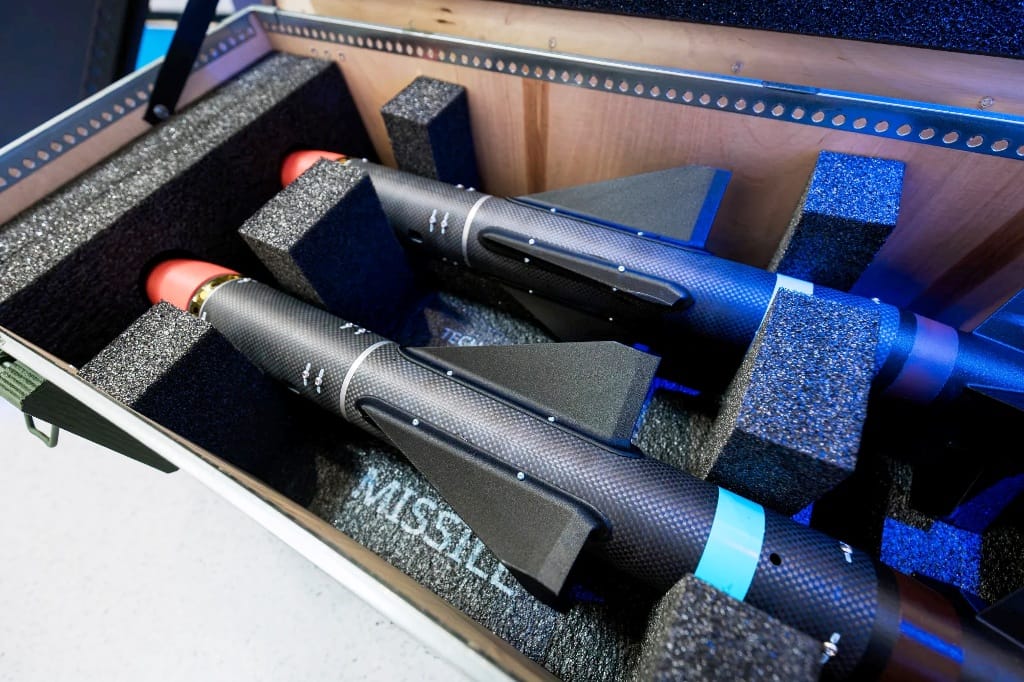
Frankenburg Technologies has inaugurated its Riga Weapon System & Missile Assembly Factory, marking the establishment of the first affordable mass-production missile factory in the world. This facility aims to enhance the production of missile systems, responding to a growing demand for advanced weaponry in the current geopolitical landscape.
In a parallel development, the US Army has awarded Lockheed Martin an $8.4 billion contract modification to increase production capacity for the Precision Strike Missile Increment 1 program. This contract reflects a strategic push by the US military to bolster its missile capabilities, ensuring readiness and effectiveness in potential conflict scenarios.
The strategic calculus
These developments in missile production are critical for several reasons:
- Increased production capacity: The Riga factory aims to streamline the manufacturing process, potentially reducing costs and increasing the availability of missile systems.
- Response to global threats: The expansion of missile production capabilities is a direct response to escalating geopolitical tensions, particularly in Eastern Europe and other volatile regions.
- Collaboration and competition: As Frankenburg Technologies enters the market, Lockheed Martin’s expansion highlights the competitive landscape of defense manufacturing, where innovation and production efficiency are paramount.
This raises the question of how other nations and defense contractors will respond to these expansions. The implications for global defense strategies could be profound, particularly as nations assess their own manufacturing capabilities in light of rising tensions.
Industry fallout
The opening of the Riga factory and Lockheed Martin's contract modification signal a potential shift in the defense manufacturing landscape. Key implications include:
- The potential for lower costs in missile production, which may democratize access to advanced weapon systems.
- Increased competition among defense contractors, leading to innovations in missile technology and production methods.
- Strategic partnerships between nations and defense firms as they seek to enhance their military capabilities in the face of shared threats.
As these developments unfold, analysts will be monitoring the broader impact on global defense strategies and the potential for shifts in military alliances. The expansion of missile production capabilities not only reflects current demands but also sets the stage for future conflicts and defense priorities.
Sources: Edrmagazine, Thedefensepost, Defence Industry Europe, ERR, WSJ, and AeroTime