Exploring 'Cobots': A Game-Changer for Reducing Submarine Manufacturing Costs

Enhancing Submarine Production: The Role of Collaborative Robotics
Introduction to a New Era in Naval Manufacturing
As the U.S. Navy faces increasing challenges in submarine construction, General Dynamics Electric Boat (GDEB) is embracing innovative technologies to align costs and timelines with strategic expectations. The introduction of collaborative robotics, or “cobots,” exemplifies the industry’s pivot towards automation to enhance manufacturing efficiency.
The Impact of Collaborative Robotics on Submarine Fabrication
Maryland-based Electric Boat is pioneering the integration of programmable robots in its operations. Since implementing cobots for steel cutting in 2023 and welding in 2024, the company has witnessed significant improvements:
- Activity Summary:
- Cobots assist welders in cutting and shaping steel for Virginia-class submarines.
- These machines are designed to work in tandem with human operators, ensuring safety and efficiency.
Raymond Gabriel, Vice President of Strategic Operations, underscores the collaborative nature of these advancements: “Every robot is supplemented by a skilled human being, whether for scanning tasks or welding applications.”
Efficiency Gains and Operational Transformation
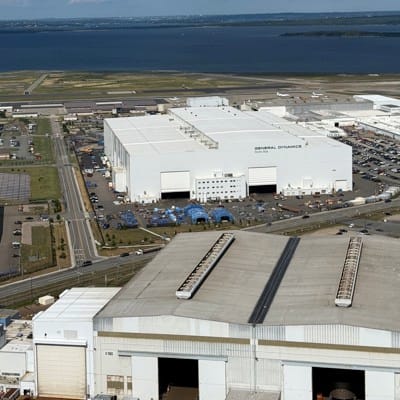
At the Quonset Point facility, where submarines are assembled, GDEB is exploring further automation, although human oversight remains paramount. The incorporation of cobots allows for a reduction in labor hours while enhancing safety. Gabriel noted that the younger workforce appreciates the opportunity to program robots, streamlining their workflow.
Quantifiable Benefits
The measurable outcomes of this technology integration are noteworthy:
- Reduction in Production Time:
- The outfitting duration for Columbia-class ballistic missile submarines has decreased dramatically from 180 to just 65 days.
- Labor Efficiency:
- Hundreds of hours of manual labor are being conserved, accelerating the overall production timeline.
Navigating Challenges: Workforce and Supply Chain Issues
Despite these promising advancements, the U.S. Navy’s shipbuilding efforts continue to grapple with substantial obstacles, including:
- Skilled Labor Shortages:
- The industry faces significant attrition, with GDEB recruiting 50 to 100 welders monthly to meet demand.
- Supply Chain Constraints:
- Delays in component availability disrupt the final outfitting stages, with critical parts coming from external suppliers.
The urgency for skilled professionals has prompted Electric Boat to commit to hiring over 3,000 new employees in the coming years.
Space Limitations and Real Estate Acquisitions
Space management remains a crucial issue in shipbuilding, particularly as production demands escalate. GDEB has strategically expanded its footprint by acquiring additional facilities. This includes a former retail location intended to support engineering and training activities.
Key Points:
- Current Employee Base:
- Approximately 24,000 employees are spread across various sites, with around 6,800 based in Quonset Point.
- Space Utilization Strategy:
- Measures are underway to maximize production efficiency by securing off-site warehousing, mitigating congestion at maritime facilities.
Looking Ahead: The Future of Naval Shipbuilding
The recent emphasis from the White House on enhancing shipbuilding capabilities is significant, with proposed budgets of $20.8 billion for the Pentagon’s 2026 request and an additional $26.5 billion aimed at addressing operational inefficiencies.
Navy Secretary John Phelan advocates for the integration of innovative technology, conveying that automation will not serve as a job replacement but as an enhancement to the worker experience:
“Many individuals are apprehensive regarding automation and robotics, but these tools are curated to augment efficiency, not to displace labor.”
Conclusion: A Blended Approach Is Essential
While the deployment of robotics signifies a transformative step in submarine construction, it is clear that replicating traditional manual processes with robots alone will not solve the existing delays. Achieving operational harmony will require addressing supply chain vulnerabilities and maximizing available space within shipyards. As GDEB navigates this evolving landscape, its commitment to technological integration, coupled with a robust human workforce, may ultimately redefine the future of U.S. naval manufacturing.