F-35s and Drones: Paving the Way for USMC's Future Capabilities

New Collaborative Combat Aircraft Initiative
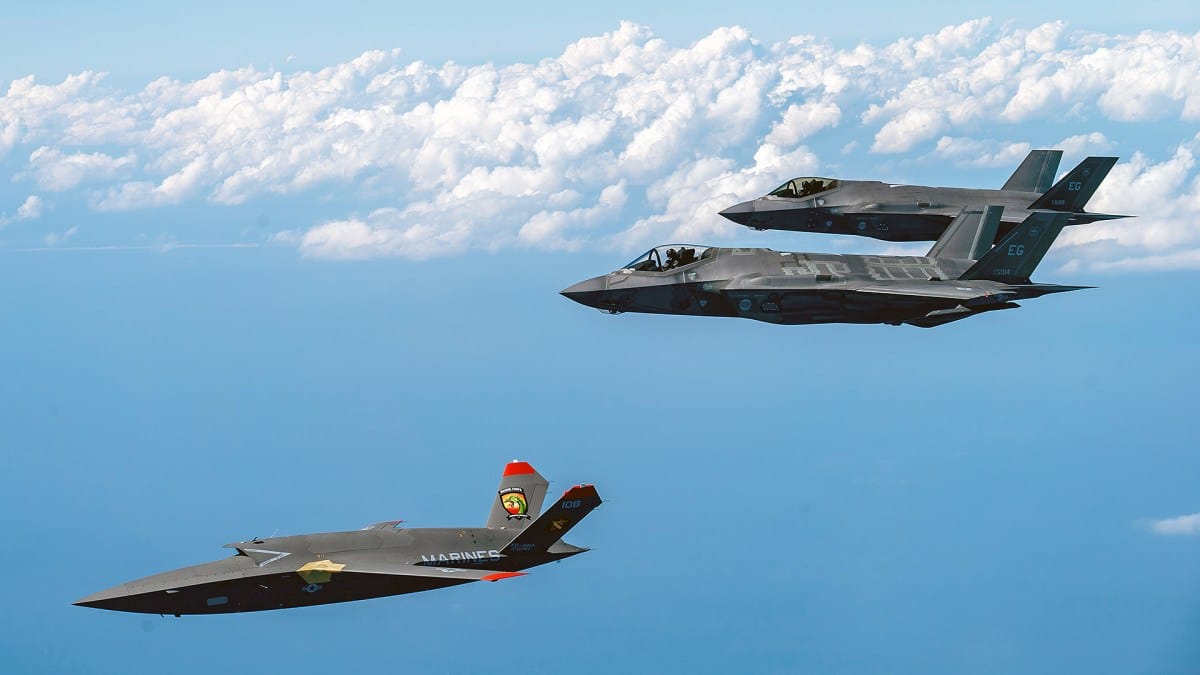
The United States Marine Corps (USMC) is advancing its military capabilities by integrating Collaborative Combat Aircraft (CCA) with its F-35 fleet. This strategic initiative is designed to "bridge" the Marines to a family of new capabilities, potentially including a sixth-generation fighter. The incorporation of CCAs aims to enhance operational efficiency by allowing F-35s to quarterback drone operations, thereby optimizing combat effectiveness on the battlefield.
Contextually, the shift towards CCAs reflects a broader trend in military modernization, where advanced technology plays a crucial role in maintaining tactical superiority. The F-35s, already recognized for their stealth and versatility, will serve as a command platform for drones, enabling them to execute missions autonomously or under direct control. This synergy between manned and unmanned systems is poised to redefine engagement strategies, making it imperative for military planners to consider the implications of these developments on future conflict scenarios.
Why it Matters
The implications of this initiative extend beyond immediate operational improvements. By establishing a framework that integrates CCAs with existing platforms like the F-35, the USMC is positioning itself to leverage future advancements in air combat technology. This raises the question of how adversaries will respond to the US's evolving capabilities and the potential shifts in global military dynamics. As the USMC continues to innovate, analysts will be closely monitoring the development of the sixth-generation fighter and its integration with both current and future combat systems.
Sources: Twz, The War Zone, Defense Security Monitor, RealClearDefense, and Army Recognition