Finland and Portugal Enhance Defense Capabilities with Strategic Acquisitions

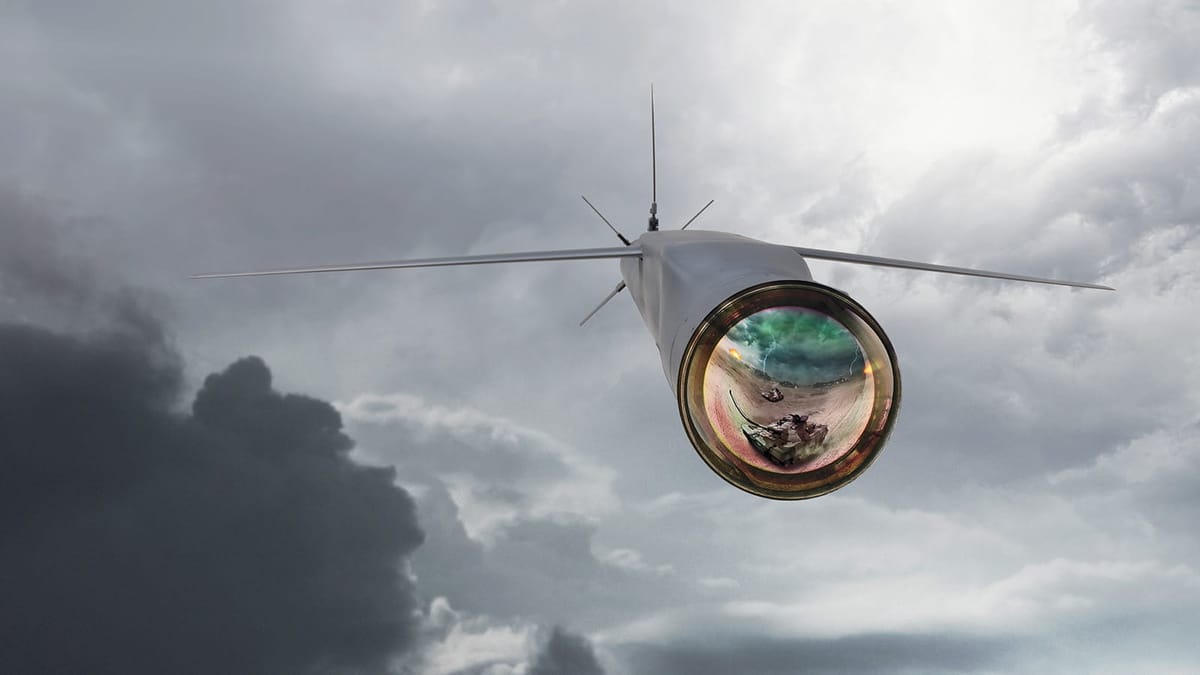
Recent developments in European defense capabilities highlight a concerted effort to bolster military readiness and surveillance. Finland has approved the procurement of additional GBU-53 Small Diameter Bomb II glide bombs for its F-35 fighter fleet, while Portugal has expanded its sovereign synthetic aperture radar (SAR) satellite capabilities through a contract with Finnish satellite operator ICEYE.
What happened
Finland's decision to acquire more GBU-53 bombs is a significant enhancement for its incoming F-35 fleet. This procurement aligns with Finland's broader strategy to modernize its air force and improve its operational capabilities. The GBU-53 is recognized for its precision and versatility, making it a valuable asset for air-to-ground operations.
Simultaneously, Portugal has ordered two additional ICEYE synthetic aperture radar satellites to augment its existing satellite fleet. These satellites will enhance Portugal's surveillance capabilities, allowing for improved monitoring of maritime activities and land use. The move reflects a growing trend among European nations to invest in technologies that enhance national security and intelligence-gathering capabilities.
The strategic calculus
Both Finland's and Portugal's recent acquisitions underscore a broader strategic shift in European defense priorities:
- Enhanced Air Power: Finland's acquisition of GBU-53 bombs complements its planned integration of F-35 fighters, which are intended to enhance air superiority in the region.
- Improved Surveillance: Portugal's investment in additional SAR satellites signifies an increasing emphasis on intelligence, reconnaissance, and surveillance in response to evolving security challenges.
- Collaboration with Finnish Industry: Portugal’s partnership with ICEYE highlights the growing importance of collaboration between European nations and defense technology providers, particularly in areas like space and advanced weaponry.
The implications of these developments are significant for regional security dynamics. Finland is looking to strengthen its defense posture amid heightened tensions in Eastern Europe, while Portugal's satellite capabilities will provide crucial data for both national and allied military operations.
What comes next
Analysts will be watching how these acquisitions play out in practical terms. For Finland, successful integration of the GBU-53 bombs into its F-35 fleet will be essential for maximizing operational effectiveness. Concurrently, Portugal's additional ICEYE satellites will need to be effectively utilized to ensure they provide the intended benefits to national security.
As European nations continue to pursue modernization and strategic partnerships, these moves may set a precedent for similar acquisitions across the continent. This could lead to a more interconnected and capable European defense framework, as countries seek collaborative solutions to shared security challenges.
Sources: Thedefensepost and The Defense Post