France Initiates High-Intensity Naval Exercise Focused on Atlantic Ports

France Launches Polaris 2025: A Comprehensive Naval Warfare Exercise
Overview of Polaris 2025
On Monday, France commenced the latest iteration of its high-intensity naval exercise, Polaris 2025, shifting operations to the Atlantic. This strategic exercise simulates various scenarios, including assaults on French naval installations, a multinational maritime conflict, and amphibious maneuvers along the coasts of England and France.
Polaris 2025 is set to take place until June 15, involving over 3,000 personnel from both French military and allied nations, alongside more than 20 naval surface vessels and 40 aircraft, as confirmed by the French Ministry of Defense. The latter stages are expected to feature a naval engagement between a group of five amphibious helicopter carriers and their support vessels against a simulated peer adversary.
Strategic Importance and Historical Context
The inaugural Polaris exercise in 2021 predominantly occurred in the Mediterranean and was initiated to enhance the French Navy’s combat readiness against high-intensity threats. Notably, the current edition involves a reduced troop deployment, partly due to the absence of the Charles de Gaulle aircraft carrier and its contingent of approximately 1,200 personnel. However, Polaris 2025 spans a longer duration and incorporates a greater number of international collaborators.
Features of the 2025 Exercise
The exercise is structured in two main phases:
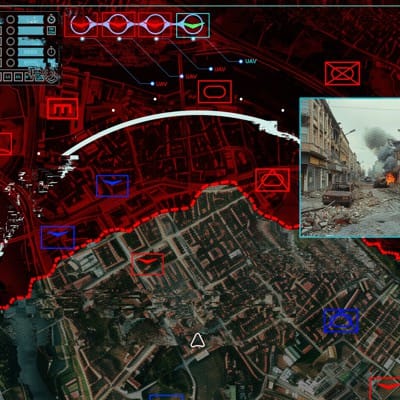
- Phase One (until May 26): This segment will be solely conducted by French forces, focusing on the defense of key naval bases against hybrid threats, including potential commando raids and drone assaults. Initial military actions will center on critical ports in Brest and Cherbourg, utilizing advanced technologies such as cyber operations, unmanned aerial systems (UAS), and naval mines.
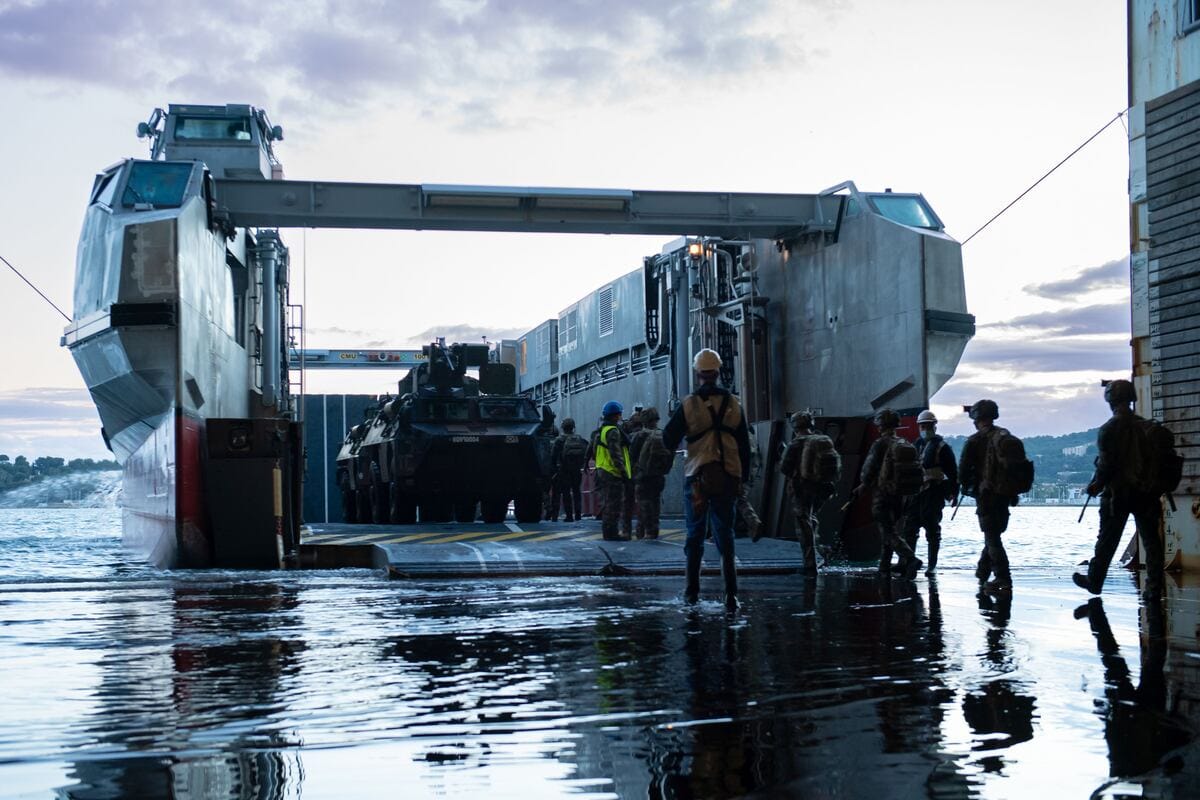
- Phase Two (beginning June 1): This phase sees the formation of a multinational task force in the western Atlantic, featuring amphibious vessels from France, the United Kingdom, Spain, and Italy, which will transport a battalion of the French Army along with troops from allied nations, including Brazil. The operation will commence with an amphibious assault in Devon, England, followed by a naval confrontation against forces comprising French, Italian, and Dutch frigates.
Enhancements in Combat Preparedness
Under the leadership of Admiral Nicolas Vaujour, who assumed command of the French Navy in September 2023, there has been a pronounced focus on fortifying combat capabilities. Recent months have witnessed significant live-fire exercises, including:
- Tests involving explosive one-way drone boats
- Firing of F21 heavy torpedoes against decommissioned vessels
- Shock testing through the detonation of sea mines in proximity to active naval platforms
Such exercises are critical for assessing the Navy’s readiness in addressing contemporary threats.
Multi-Domain Warfare Approach
The operational framework of Polaris 2025 emphasizes a “multi-environment, multi-domain” strategy, integrating capabilities from space, cyber, and information operations. By incorporating naval installations and ports into the exercise, the French Navy aims to refine its responsiveness to technological disruptions and enhance cooperative engagement with European and NATO allies.
The culmination of Polaris 2025 will involve an amphibious operation along the Atlantic coastline, reinforcing the necessity for a robust maritime defense posture within the evolving security landscape of Europe.
Key Takeaways
- Deployment: Over 3,000 troops, 20 naval ships, and 40 aircraft across allied forces.
- Phased Structure: Initial focus on hybrid threats, transitioning to conventional military engagement.
- Strategic Collaboration: Inclusion of international partners underscores ongoing defense commitments within NATO.
- Technological Integration: Emphasis on cyber and information warfare alongside traditional naval operations.
Polaris 2025 is poised to be a pivotal exercise in demonstrating not only France’s commitment to naval readiness but also its strategic alliances, addressing the complexities of modern warfare in the maritime domain. As the geopolitical landscape continues to evolve, exercises of this nature play a vital role in ensuring the preparedness of allied forces to confront potential challenges effectively.