French air force official claims FCAS industry disputes are exaggerated.

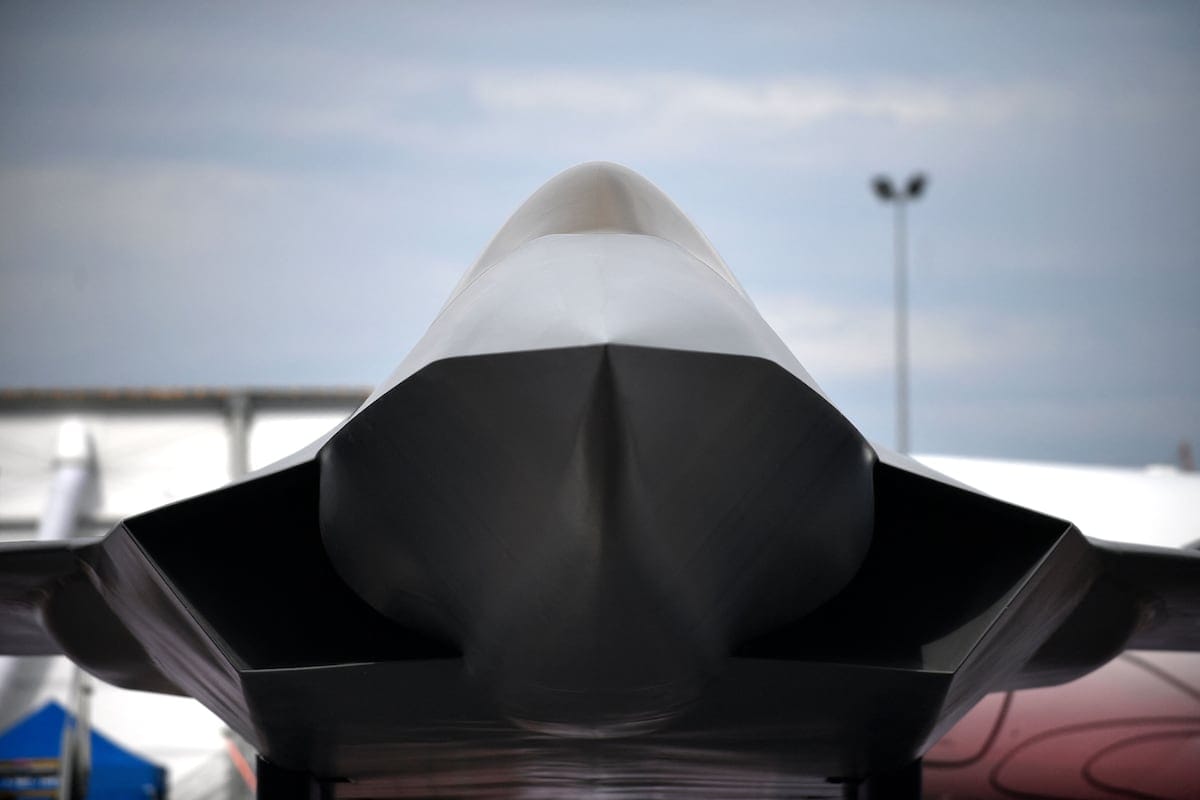
Insights on the Franco-German-Spanish FCAS Fighter Program and Evolving European Defense Collaborations
Current Status of the FCAS Program
Recent reports suggesting significant discord among the partners in the Future Combat Air System (FCAS) fighter initiative have been overstated, according to a senior leader from the French Air Force. Brig. Gen. Philippe Suhr, the service’s primary liaison for the program, reassured stakeholders of the collective commitment among the collaborating nations.
- Key Statements:
- “Differences exist, but do not take everything at face value,” Suhr stated, emphasizing ongoing dedication to achieving a collaborative resolution.
- The target remains to deliver the next-generation fighter jet by the 2040s, a critical timeline for replacing France’s Rafales and Germany’s Eurofighters.
Background and Developmental Challenges
Initiated in 2017 by France and Germany, with Spain joining subsequently, the FCAS program finds itself at a crossroads.
- Control and Oversight: Disputes have arisen primarily regarding control of the project, with French aerospace giant Dassault expressing a desire for a more prominent role, prompting friction with its partners.
- Airbus Critique: Guillaume Faury, CEO of Airbus, has publicly suggested that Dassault should reconsider its participation if its expectations are not met.
Misconceptions and Clarifications
The narrative surrounding Dassault’s aspirations has taken on a sensational tone. Suhr clarified that claims of Dassault seeking an 80% stake are inaccurate, stating that their demands are more tempered than publicized.
Parallel Developments in European Defense
As the FCAS initiative faces headwinds, the Global Combat Air Program (GCAP)—a collaborative effort by Italy, the UK, and Japan—appears to be gaining momentum.
- Industrial Progress: Three industrial consortia have been established to streamline development tasks for GCAP, with Leonardo, Italy’s lead contractor, projecting over €1 billion in national contracts by December.
- Strategic Advantages: Italy’s defense officials view GCAP as an opportunity to strike a balance between maintaining national technological autonomy and collaboration.
Sovereignty in Technological Advancements
Col. Antonio Vivolo, the senior technical representative of the Italian defense ministry’s armaments office, articulated the importance of national sovereignty in technological capabilities.
- Key Insights:
- The intent extends beyond merely developing a new fighter; it encompasses retaining technological and industrial sovereignty to adapt swiftly to evolving threats.
- “Without this depth of sovereignty, sixth-generation capabilities would remain a compelling vision led by external influences—an unacceptable scenario.”
Building Reliable Partnerships
While pursuing these advanced projects, establishing a clear set of capability-based requirements is fundamental. Vivolo emphasized that this approach not only fosters reliability in partnerships but also enhances predictability and utility among collaborators.
In summary, while the FCAS initiative grapples with internal disagreements, ongoing efforts in the GCAP highlight a dynamic environment in European defense collaborations, emphasizing the importance of both shared and sovereign capabilities. As stakeholders navigate these complex relationships, the ultimate goal remains the strategic enhancement of airpower in the face of emerging global challenges.