French Navy Expands Capabilities with Fourth Barracuda Submarine

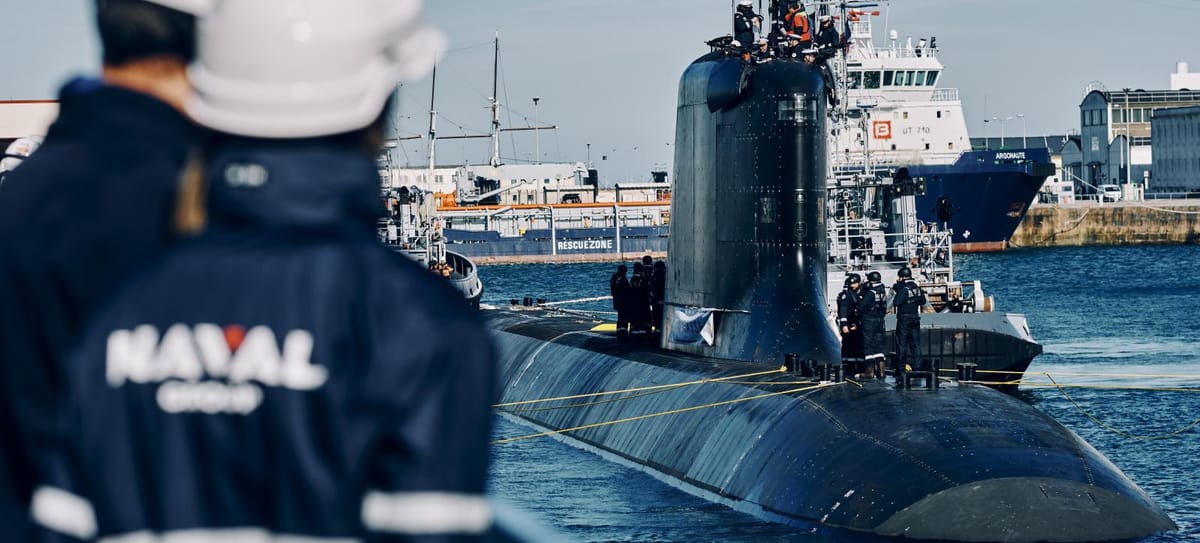
Delivery of the Barracuda-class Submarine
The French Navy has recently accepted the fourth Barracuda-class nuclear-powered attack submarine from Naval Group. This acquisition is part of a long-term program initiated in the early 2000s aimed at replacing the aging Rubis-class fleet, which has been in service for several decades. The delivery underscores France's commitment to modernizing its naval capabilities and enhancing its strategic deterrence posture in an increasingly complex security environment.
Strategic Implications and Analysis
The Barracuda-class submarines are designed to perform a variety of missions, including anti-submarine warfare, surveillance, and precision strikes. With advanced technologies and stealth capabilities, these submarines significantly enhance the operational reach of the French Navy. The completion of this series is crucial for maintaining France’s status as a leading naval power in Europe and its ability to project force globally.
As the geopolitical landscape continues to evolve, the implications of this delivery extend beyond France alone. The enhanced capabilities of the French Navy may influence naval balance and strategic calculations among European allies and potential adversaries. This raises the question of how France will integrate these new assets into NATO and its own maritime strategies moving forward.
Why it matters: The addition of the fourth Barracuda submarine signifies an important step in the modernization of the French Navy, enabling it to respond more effectively to contemporary threats. Analysts will be watching how this investment shapes naval operations and partnerships in the region, particularly in light of increasing tensions in areas such as the Indo-Pacific and Eastern Mediterranean. The ongoing development of submarine technology and capabilities could lead to a renewed emphasis on underwater warfare strategies among European naval forces.
Sources: Thedefensepost, Zona Militar, Interesting Engineering, Naval Technology, and The Nuclear Threat Initiative