Future of Warfare: Army Leaders Focus on Next-Gen Uncrewed Vehicles

Emerging Trends in Uncrewed Vehicle Technology
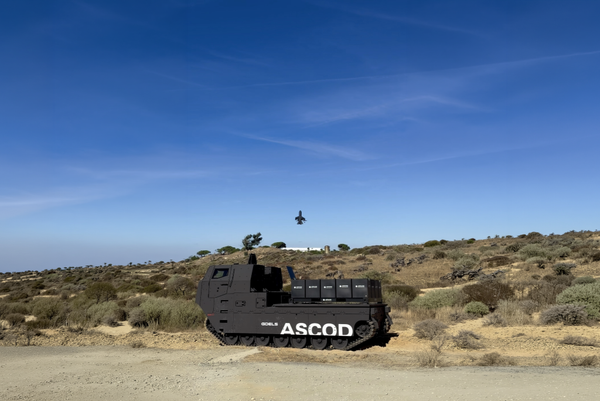
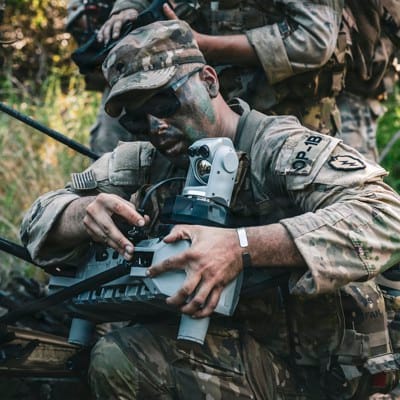
At the recent LANPAC event, Army leaders highlighted the pivotal role of uncrewed vehicles in modern warfare. This gathering showcased a range of uncrewed aerial and ground systems, underscoring their increasing prevalence on the battlefield. The discussions centered on how these technologies are revolutionizing military strategies and operations, with a particular emphasis on the concept of "cheap kill," which refers to the cost-effectiveness of using drones for combat missions.
As the Army adapts to the evolving landscape of warfare, leaders are keen to explore what comes next after the widespread adoption of drones. The integration of advanced sensor capabilities, artificial intelligence, and autonomous systems into uncrewed vehicles is expected to enhance their effectiveness in various combat scenarios. The Army's focus on these developments indicates a shift towards a more technologically driven approach to military engagements, where traditional manpower may be supplemented or replaced by sophisticated machines.
Why It Matters
The implications of these advancements are significant for future military operations. As uncrewed vehicles become more capable, they could change the dynamics of conflict, reducing risks to human soldiers while increasing operational efficiency. This raises the question of how adversaries might respond to the United States' technological edge in unmanned systems. Analysts will be watching how the Army implements these innovations and prepares its forces for a future where uncrewed platforms dominate the battlefield.
Sources: Defenseone, Unmanned Systems Technology, armyupress.army.mil, DefenseScoop, and Business Insider