Gabbard Resigns as Director of National Intelligence Amid Personal Circumstances

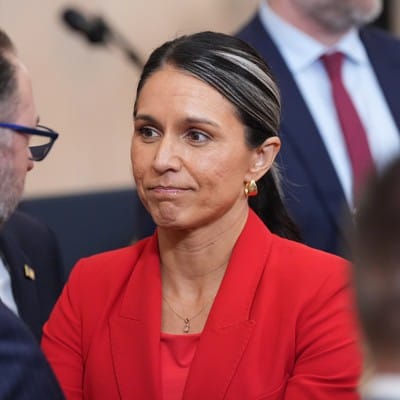
Leadership Transition in U.S. Intelligence Community
Tulsi Gabbard has announced her resignation as Director of National Intelligence, a role she has held for 16 months. Her decision to step down was influenced by her husband's health issues, marking a significant change in the leadership of the nation’s spy agencies. Gabbard's departure comes at a time when the U.S. intelligence community faces numerous challenges, both domestically and internationally.
During her tenure, Gabbard has overseen critical intelligence operations and has been involved in shaping policy responses to evolving threats. Key areas of focus have included counterterrorism, cybersecurity, and the geopolitical dynamics involving major powers. Her leadership style emphasized transparency and collaboration across various intelligence agencies, which has been essential in fostering a cohesive approach to national security. The implications of her exit are profound, as continuity in intelligence leadership is crucial for addressing ongoing global threats and maintaining operational efficiency.
Why It Matters
The resignation of Tulsi Gabbard raises questions about the future trajectory of U.S. intelligence operations under a new appointee. Analysts will be watching closely to see how the change in leadership will impact the strategic priorities and resource allocation within the intelligence community. With pressing security challenges on the horizon, including foreign adversaries and emerging technologies, the next Director of National Intelligence will need to swiftly adapt to these dynamics to ensure national security remains a top priority.
Sources: Defenseone, Fox News, PBS, BBC, and NPR